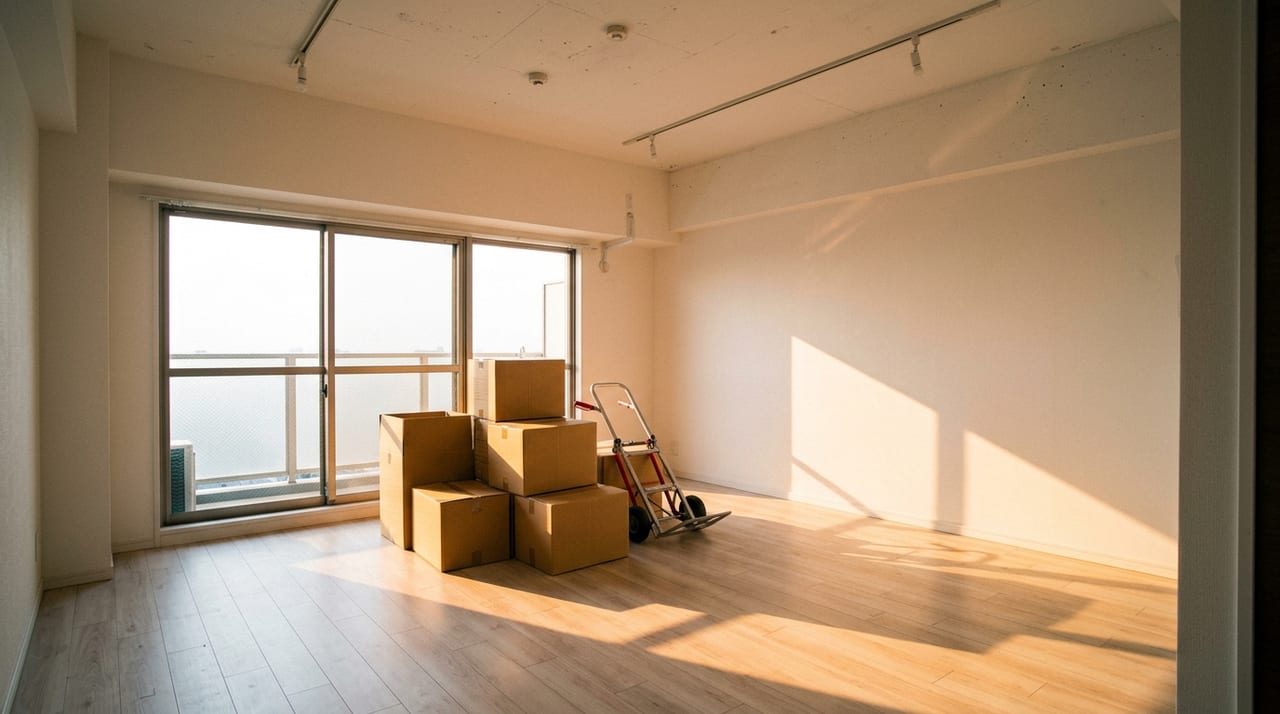
Top-Floor Rentals: Summer Heat and Insulation Solutions—Understanding Roof Heat Issues to Make Smart Property Choices
While top-floor units offer many advantages—excellent views, quiet living, and abundant natural light—they come with a significant drawback: oppressive summer heat. This article explains why top floors get so hot, the structural reasons behind it, and practical solutions.
Top-floor apartments are popular for their excellent views, freedom from noise from upper neighbors, and outstanding sunlight exposure. However, many tenants also report a significant downside: "summer is unbearably hot" and "the air conditioning runs constantly but never gets cool." Why does a top floor get so hot in summer? Understanding the structural reasons will help you make a smarter property choice.
Why Top Floors Get So Hot: Structural Reasons
The primary reason why top-floor apartments become exceptionally hot in summer is heat accumulation from direct sunlight on the roof slab.
In middle-floor units, there is another room (the floor above) above the ceiling, and that room's floor slab and concrete act as a thermal buffer. In other words, sunlight doesn't reach the ceiling concrete directly, so radiant heat (the heat radiating from the concrete) doesn't easily penetrate into the room.
In contrast, a top-floor unit has only a roof (or waterproofed rooftop concrete) above the ceiling slab. As the summer sun continuously beats down on the rooftop concrete, the concrete accumulates heat (thermal mass). Because concrete has high heat capacity, it radiates heat not just during the day but throughout the night, creating a situation where "it stays hot even at night" and "the room becomes sweltering as soon as you turn off the air conditioning."
In fact, on clear summer days, the surface temperature of rooftop concrete can reach 60–70°C (140–158°F). The radiant heat emitted from this hot concrete into the room significantly counteracts the cooling output of air conditioning units.
Insulation Performance: The Key to Top-Floor Comfort
The most fundamental and effective solution to summer heat in top-floor units is the roof (rooftop slab) insulation performance. The comfort level of a top-floor apartment varies greatly depending on the building's insulation specifications.
No Insulation or Minimal Insulation (common in older buildings)
In roofs with only a waterproofing layer over the concrete slab, accumulated heat radiates directly through the ceiling. This is common in buildings from before the 1980s, and the summer heat is quite severe.
Roof Insulation (Top-Surface Slab Insulation)
This method involves installing insulation material (polyurethane, expanded polystyrene, etc.) on the upper surface of the rooftop concrete. The insulation blocks solar radiation from reaching the concrete, significantly reducing heat accumulation. This specification has become more common in buildings built since the 2000s, and most properties with insulation ratings or energy efficiency certifications employ this method.
This method involves spray-applying insulation material to the indoor (underside) of the ceiling concrete or placing insulation in the space above the ceiling. While not as effective as roof insulation, it does reduce radiant heat entering the room.
Vegetated Roofs and Heat-Reflective Coatings
This approach involves either planting vegetation on the roof or applying highly reflective white or silver-toned coatings to the rooftop surface, both of which reduce solar absorption and prevent heat accumulation. Some local governments offer subsidies for these measures.
Checklist for Viewing Top-Floor Properties
Check Energy and Insulation Ratings
Properties with an energy efficiency rating of 4 (equivalent to previous standards) or higher, or an insulation rating of 4 or higher, almost always have roof insulation installed. Properties certified with BELS or ZEH standards have even higher levels of insulation. Ask the management company or real estate agent: "What is the insulation rating?"
Schedule Viewings in the Afternoon on a Sunny Day
Top-floor heat is most pronounced in the afternoon and early evening on sunny days. If you view the property only in the morning or on a cloudy day, you often won't experience the actual heat. If possible, schedule viewings in summer on a sunny day around 2–5 PM.
Examine Ceiling Materials and Finishes
Properties with exposed concrete ceilings allow radiant heat to penetrate directly into the room. Drywall with wallpaper finish provides some buffering. Ideally, also check whether insulation material has been installed in the ceiling.
Check Air Conditioning Capacity and Installation
For top-floor units, air conditioning capacity is critical. Even an air conditioner rated for the room's size may be insufficient in a poorly insulated top-floor apartment. Check the maker and model number of the installed unit to determine its cooling capacity (kW), and verify that it's oversized relative to the room dimensions.
Ask About Previous Tenants' Utility Bills
Through the real estate agent, you may be able to find out how much the previous tenant paid for electricity during summer months (July–August). If summer electricity costs for a typical 1K or studio exceed ¥10,000 per month, the unit likely has poor insulation.
Coping Strategies for Living on a Top Floor
If you do live in a top-floor unit, the following measures are effective.
Use Heat-Blocking Curtains and Roller Screens
Install heat-blocking curtains with UV-blocking and heat-reflective properties to prevent solar heat gain through windows. These are especially effective on west-facing and south-facing windows.
External Sun Shading (Bamboo Screens and Living Walls)
Using exterior shading devices like sun shades or bamboo screens (sudare) outside your window prevents sunlight from entering the room. Living walls made from heat-loving plants like bitter melon or morning glory vines provide natural insulation while looking attractive. However, rental properties often have restrictions on installation methods, so check with the management company.
Use a Circulator Fan to Distribute Cool Air
When running air conditioning in a top-floor unit, cool air tends to sink and pool at the bottom. Using a circulator fan to distribute air more evenly improves cooling efficiency. Position the circulator directly below the air conditioner and aim the airflow toward the ceiling to achieve uniform cooling throughout the room.
Conclusion
The extent of summer heat problems in top-floor units varies greatly depending on the building's roof insulation design. It's crucial to select properties with high insulation ratings, schedule viewings in the afternoon on sunny days, and ask about previous tenants' utility bills. If a property has adequate heat-mitigation measures, you can fully enjoy the unique benefits of a top floor—exceptional views, quiet living, and abundant natural light. Make your property decision after carefully weighing the drawback of summer heat against these other advantages.
A thorough guide to securing EV charging facilities in rental properties during the EV adoption era. This comprehensive guide covers equipment types, key verification points, and solutions for properties without charging infrastructure.