The Complete Guide to System Kitchens in Rental Apartments — Benefits, Selection, and Usage Tips
We've compiled information on the features and selection of rental properties with system kitchens, how to use storage, and cleaning and maintenance tips. Use this as a practical guide when choosing properties.
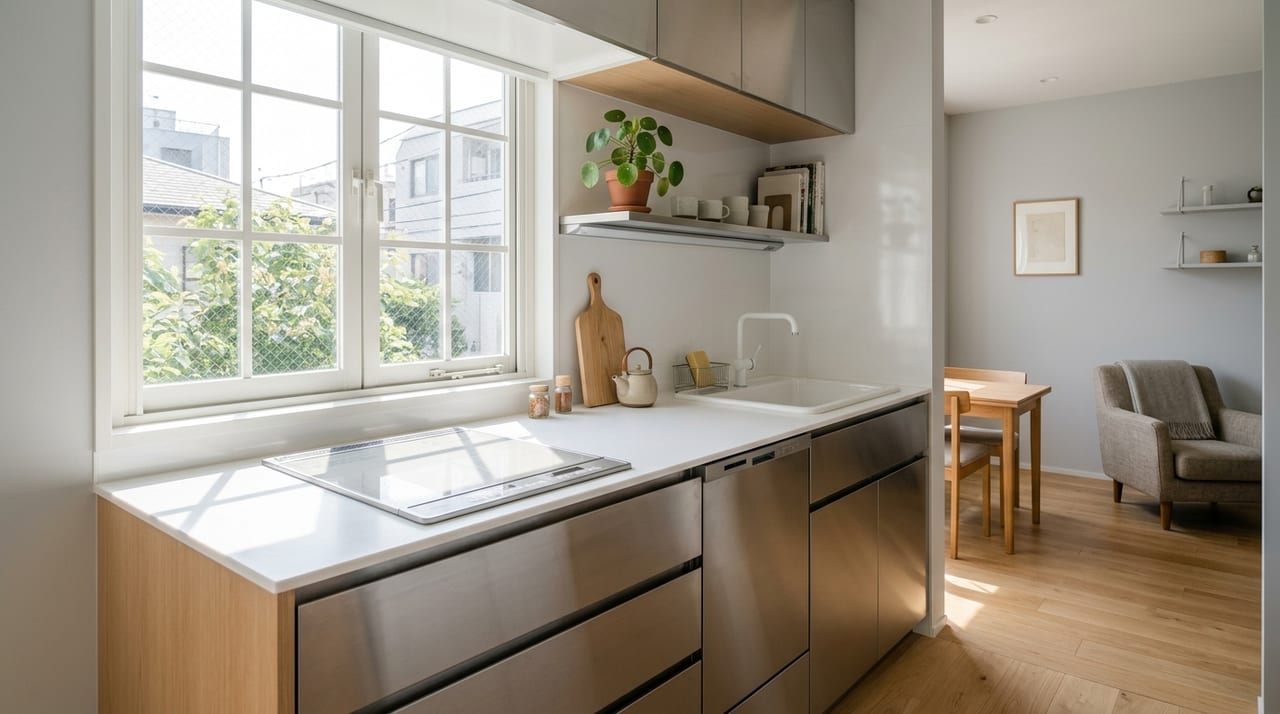
A system kitchen is an integrated, built-in kitchen setup where the sink, cooktop (cooking surface), and storage cabinets are unified into one cohesive unit. As the name "system" suggests, each component is connected with a unified design, creating a clean and organized appearance.
In older rental properties, "standalone kitchens" with separate cooktops and sinks are common, but in properties built within the last 10–15 years and higher-grade units, system kitchens are now standard.
The biggest advantage of system kitchens is abundant storage space. Drawer-style or door-opening storage is installed below the sink, cooktop, and work surface, allowing you to neatly store pots, pans, cooking utensils, and ingredients. Drawer-style storage is particularly convenient, as items are easy to access even at the back, offering excellent usability.
Easy to Clean
Because the work surface is continuous, dirt doesn't accumulate in gaps, and wiping it down is a one-step process. Cleaning around the cooktop's debris tray and grout lines is significantly easier compared to standalone kitchens.
Maintains a Neat Appearance
With unified design, the kitchen stays organized and clutter-free, giving the entire room a cleaner impression.
Often Feature-Rich
Dishwashers, water purifiers, and range hoods are often built-in. Since these appliances are integrated into the system, there's no need to purchase and install them separately later.
Types of System Kitchens and How to Choose
Rental system kitchens come in several types.
I-Shaped (Wall-Mounted)
The simplest type, arranged in a single line along the wall. This is common in compact layouts and frequently found in 1K and 1DK units.
L-Shaped
The sink and cooktop are positioned at a right angle. This layout provides more work surface and makes cooking for multiple people easier.
Open-Facing (Island/Peninsula)
The kitchen faces the living and dining areas. This design offers an open feel and makes it easy to move between the dining table and work surface. This type is commonly found in 2LDK and larger family units.
Selection Tips
•Gas or Induction Cooktop: In rental system kitchens, one or the other is fixed. Confirm which type you're comfortable with or prefer.
•Number of Burners: A 2-burner cooktop is sufficient for single living, but 3 burners are more practical if you enjoy cooking or if you're living with a partner or family.
•Storage Usability: During your viewing, actually open the cabinets to check whether they have drawers or doors, and confirm that the depth works for you.
•Built-In Appliances: Verify whether a dishwasher, water purifier, and range hood are included, and check their types.
Things to Check During Your Viewing
Always check the condition of the system kitchen during your viewing.
•Sink Rust and Stains: Check that the stainless steel sink has no rust spots or mineral deposits.
•Cooktop Condition: For gas cooktops, check for buildup on the cooktop surface or warping of the grates. For induction cooktops, look for cracks or burn marks on the surface.
•Door and Drawer Operation: Ensure doors and drawers open and close smoothly, and that the guide rails haven't shifted.
•Range Hood: Check for dirt or clogs in the filter and confirm that suction power is adequate.
•Built-In Dishwasher: If present, run a test cycle to verify it operates correctly.
It's important to document any concerns about damage or stains as a pre-move-in confirmation.
Daily Maintenance and Precautions
Cleaning the Work Surface and Sink
Wiping the work surface and rinsing the sink after cooking daily prevents dirt buildup. Wiping with a neutral detergent once a week will keep it even cleaner. For stainless steel sinks, leaving chlorine-based bleach for extended periods can cause rust, so always rinse immediately after use.
Range Hood Filter Cleaning
Kitchen range hoods with heavy grease and smoke buildup need filter cleaning approximately every 1–2 months. Clogged filters significantly reduce ventilation performance.
Managing Drawers and Storage
Storing too many heavy pots or canned goods in drawer-style storage can strain the guide rails. Distribute items evenly to prevent damage.
Moving Out Considerations
Normal wear and tear and minor scratches are not your responsibility under restoration to original condition requirements, but heavy buildup on the cooktop or neglected stains may result in move-out charges. Daily cleaning is the best way to avoid these costs.
What to Do If Equipment Breaks Down
If the cooktop, range hood, built-in dishwasher, or other equipment breaks down during your tenancy, and they are listed as part of the property's "fixtures" in your lease, the landlord is generally responsible for repairs from normal wear and tear or regular use. Contact the property management company or landlord immediately when you notice any problems.
Important: Do not arrange repairs on your own. The landlord typically handles repairs, and if you arrange them without permission, you may not be reimbursed. Additionally, if damage worsens because you don't report the problem (such as water damage to the floor), you could be held responsible for failing to notify the landlord. The rule is: contact the landlord → wait for instructions → keep records of your communication.
It's a good idea to test all cooktop burners, the range hood, dishwasher, and faucet shortly after moving in, as previous tenants' use may have left issues behind.
Tips for Making the Most of a Compact System Kitchen
System kitchens in single-living units often suffer from limited cooking space. The following tips can greatly improve usability.
•Use the Sink as a Work Surface: Using a dish-drying rack or large cutting board placed across the sink can temporarily expand your cooking space.
•Utilize Wall and Magnetic Storage: Hang frequently used tools on wall-mounted magnetic storage or beside the range hood to keep your work surface clear.
•Add a Rolling Cart for Mobile Storage: Placing a rolling cart next to your kitchen allows you to pull it closer during cooking and use it as an extra work surface.
•Use a Cooktop Cover for Extra Space: Placing a cover on an unused burner creates temporary counter space for items.
System kitchens greatly influence the comfort of modern rental properties. When comparing properties from the perspectives of storage, cleanliness, and functionality, be sure to include the kitchen's condition as an important evaluation factor.