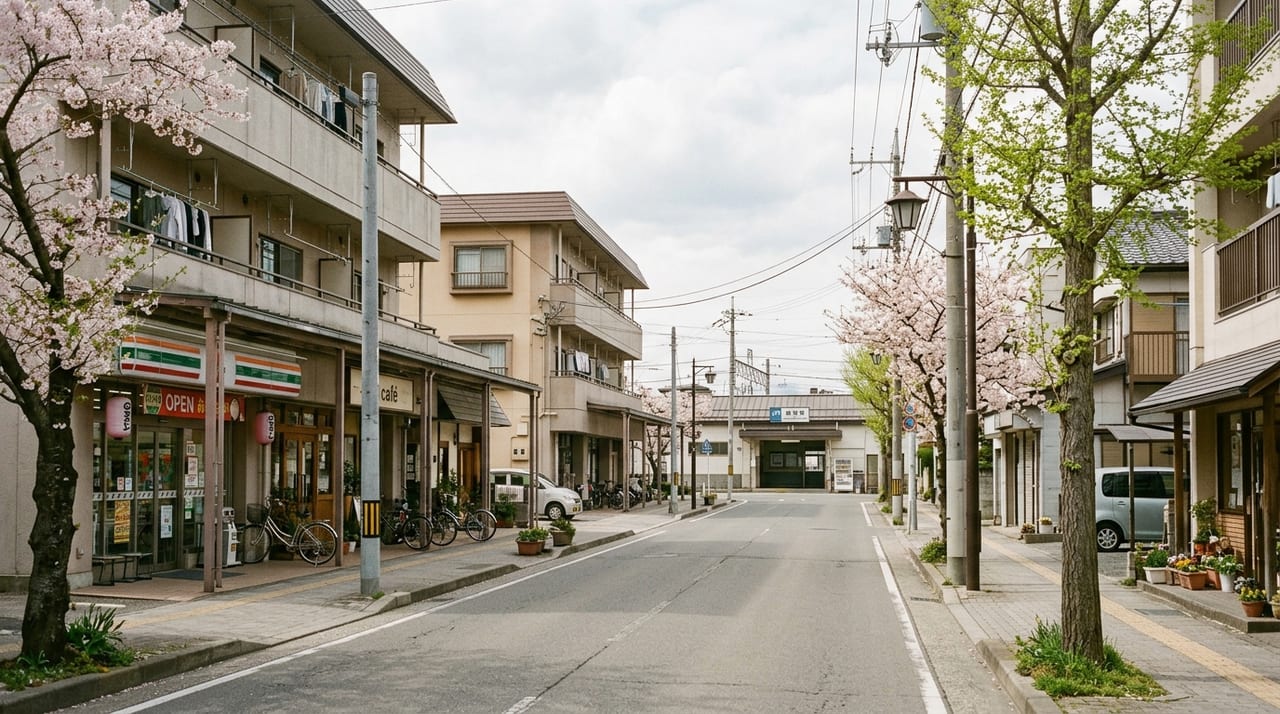
Rental Properties Along Railway Lines and Under Elevated Tracks: Balancing Noise and Convenience — Interior Viewing Checklist and Soundproofing Solutions
Why rent is cheaper for station-adjacent and railway-side properties, and the downsides of noise and vibration explained. We'll walk you through what to check during a property viewing and practical soundproofing measures you can implement after moving in.
Railway-side and elevated-track properties offer excellent proximity to stations, yet rent is often set 5–15% below the local market rate. However, the drawbacks—noise, vibration, and crossing alarm sounds—are significant. This article breaks down the key considerations unique to railway-adjacent properties, offering selection tips and detailed guidance on post-move measures.
Benefits of Railway-Adjacent Properties
Exceptional convenience is the primary appeal. Reaching the station by bicycle or on foot dramatically cuts your daily commute. In central urban areas, saving even minutes each day directly improves your quality of life. Rainy-day commutes are easier, and late-night returns home feel safer.
Lower rent compared to market rates is another major advantage. Because many renters avoid properties due to noise concerns, railway-adjacent units typically cost less than comparable inland properties in the same area. In Sendai, for example, 1K railway-side units are commonly ¥5,000–¥8,000 cheaper—potentially saving ¥60,000–¥100,000 annually over a longer-term lease.
Stable property value is another characteristic. Railway lines have a low risk of closure, and station-adjacent areas tend to maintain stable population demand long-term. Redevelopment and commercial clustering often accelerate in these zones.
Key Drawbacks to Consider
Noise and vibration are the primary concerns. Train noise can reach 70–80 decibels during passage—exceeding normal conversation levels (around 60dB). Vibration is perceptible even on routes with fewer late-night trains, especially in elevated-structure properties where vibrations readily transmit through floors and walls.
Crossing alarm sounds are a persistent presence in properties near grade-level railway crossings, except during late-night hours. During peak travel times with overlapping train directions, these alarms are especially pronounced—conversations become difficult with windows open.
Exhaust fumes and dust require attention. Train brake dust and track iron particles readily enter rooms, causing window frames and screens to soil quickly. White curtains may darken faster than in typical properties.
Outdoor laundry drying is difficult—another practical drawback. Black dust particles risk clinging to clothes, making in-unit dryer or indoor drying space essential.
What to Check During Property Viewings
Schedule viewings at multiple times of day—ideally twice: during weekday morning rush (7–9am) and evening (10pm–midnight). Check the first and last train schedules to understand when quiet returns after service ends.
Verify window quality. Double-glazed or soundproof windows (or existing secondary panes) significantly reduce perceived noise. If windows carry soundproofing ratings (T-1 through T-4), check for T-2 or higher.
Check for vibration by touching the floor lightly when a train passes during your viewing. Significant shaking may suggest structural issues or weak ground conditions.
Room orientation matters. Prefer layouts with fewer windows facing the tracks and natural light from the opposite side. Corner units or rooms perpendicular to the track tend to have less noise exposure.
Soundproofing Measures After Moving In
Soundproof curtains offer immediate relief. Heavy-weight, high-performance fabrics reduce noise by 5–10 decibels. Ensure they cover the entire window with extended rails to eliminate gaps.
Soundproof window film and weatherstripping tape are also effective. Specialized tape in window-frame gaps reduces high-frequency sound leakage and is reversible for rental properties.
Strategic furniture placement helps too. Bookshelves and thick furniture along the track-side wall provide sound absorption. Soundproof mats under flooring also dampen vibration.
Earplugs, soundproof earmuffs, and white-noise machines are widely used. If train noise disrupts sleep, bedtime white noise can psychologically mask train sounds effectively.
Questions to Ask Management and Landlord
Verify the following before moving in:
•Whether soundproofing work has been done previously
•If noise complaints related to trains have been filed
•Policies on outdoor laundry drying (outdoor drying may be restricted or discouraged)
Railway noise is subject to environmental standards (Shinkansen: 60dB at night; conventional lines: 55–60dB at night). If noise consistently exceeds these thresholds significantly, you may contact the rail operator or local government for assistance.
Railway-adjacent and elevated-track rental properties offer clear advantages—excellent commute access and lower rent—but require tolerance for noise, vibration, and dust. Thorough viewings and realistic cost-benefit analysis (including soundproofing expenses) are essential. These properties are particularly well-suited for people who adapt easily to noise or who spend little time at home, such as busy professionals and commuting students.
When choosing a rental property, the "real living experience" of the surrounding area is often overlooked. This guide explains specific points you should verify by walking around—slopes, noise, nighttime atmosphere, and more—details that floor plans and photos cannot reveal. Visiting at different times, not just on viewing day, significantly improves your accuracy in choosing the right property.