When choosing a rental property, the "real living experience" of the surrounding area is often overlooked. This guide explains specific points you should verify by walking around—slopes, noise, nighttime atmosphere, and more—details that floor plans and photos cannot reveal. Visiting at different times, not just on viewing day, significantly improves your accuracy in choosing the right property.
Reviewed by: Nobuyuki MoriPresident, M-Assets Co., Ltd. / Licensed Real Estate Transaction Specialist (Miyagi #018212)
When choosing a rental property, deciding based only on layout and rent often leads to regret. The quality of the surrounding neighborhood—which supports your daily life—is what truly makes the difference in your living experience. Experts thoroughly explain 6 key points you should verify by visiting the area in person.
Choosing a rental property in Tokyo's 23 wards varies significantly by area in terms of rent, environment, and convenience. This guide classifies them into four areas—central Tokyo, south/west Tokyo, north Tokyo, and east Tokyo—and conducts a thorough comparison from 1K and 1LDK rental rates to quality of life. Experts explain the best areas for singles, families, and foreign nationals alike.
For those searching for rentals in Osaka, our experts explain the rental market and living convenience in major areas including Umeda, Namba, and Tennoji. We compare rent differences between central and suburban areas, balance commute considerations, and provide practical guidance to help you choose the right neighborhood.
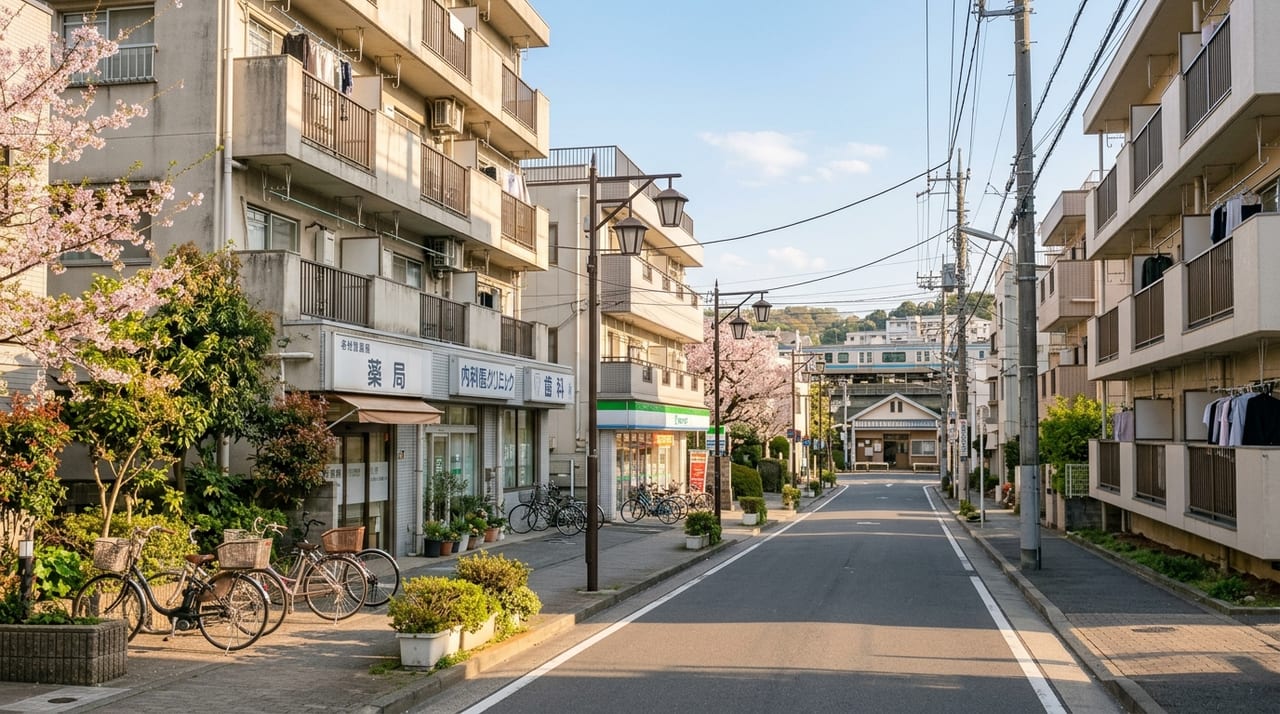
When choosing a rental property, most people focus on floor plans, amenities, and rent. However, the vast majority of regrets people experience after moving in are not about the property itself, but about the surrounding environment.
Even if the station is listed as a 10-minute walk away, a steep slope can make it feel like 15 minutes or more. You might not realize until you move in that the area lacks street lighting at night, or that the trash area is poorly maintained and suggests neighborhood conflicts. These problems are impossible to discover just by looking inside the apartment.
Property viewings naturally concentrate your attention on "inside the unit." That's why taking time to walk around the neighborhood separately from your viewing is the key to making a rental choice you won't regret. Ideally, you should walk the area once before your viewing and again afterward.
The "station, X-minute walk" listed in property information is calculated using the real estate industry standard of 80 meters per minute, and does not account for traffic lights, railroad crossings, or slope gradients. The listed time is only an estimate and often differs significantly from actual walking time.
Tips for checking:
Don't forget to walk the return route as well (from station to property). The experience can feel quite different depending on direction.
Property viewings almost always happen during daytime. However, many people actually return home at night more often than during the day. An area that feels safe in daylight can feel completely different at night.
Key points to check during nighttime visits:
Nighttime visits may feel different on a weekday evening (8–10 PM) versus late on weekends. If possible, check both. If you're uncomfortable visiting alone at night, go with someone you trust, or at minimum verify the presence of street lights during daytime.
Simply knowing "there's a supermarket nearby" isn't enough. Visit in person to confirm it matches your lifestyle and schedule.
Items to verify:
Even if you plan to rely mainly on online grocery delivery, unexpected shopping needs always come up. Having a convenience store within a 3-minute walk is one practical benchmark for judging a property's convenience.
The trash/garbage area directly reflects the manners and maintenance awareness of residents in that area. In neighborhoods with neglected trash areas, hidden problems with neighbor relations and building management are common.
Checkpoints:
Neighborhoods where trash areas are kept clean usually have good cooperation among residents and relatively fewer noise and nuisance issues. Conversely, if you see multiple neglected trash areas, it's a red flag about the overall community standards.
Sound and smell vary greatly by time of day, wind direction, and season. Judging based on a single visit is risky.
Checking for noise:
Checking for odors:
Practical advice: Walk more than just the front of the building—explore a 50–100 meter radius around it. The back of the building, walls of adjacent structures, and far corners of parking areas often reveal problems invisible from the front.
If three separate visits isn't realistic, we strongly recommend visiting at least once during daytime and once at night. The information you gather from a few minutes of walking is more accurate than any rental portal website and directly connected to what your daily life will actually feel like.
As you walk, imagine yourself living in this place—not just the apartment's conditions, but what your everyday life will be like in this neighborhood. That's the first step toward choosing a property where you can live happily for the long term.
Detailed guidance on neighborhood selection, transportation networks, and cost of living for foreigners seeking rental properties in Nagoya. Introduces characteristics of major areas in Nagoya (Sakae, Chikusa, Nagoya Station, Midori-ku, etc.) and recommends livable neighborhoods for Toyota and manufacturing workers, as well as international students.
床スラブ厚と上階の足音問題——賃貸で「ドン」という衝撃音が響く構造的な理由と物件選びのポイント
前橋・群馬の賃貸エリアガイド【2026年版】——主要エリア別家賃相場と住みやすさを徹底比較
Making the Most of Protruding Beams and Columns in Rental Apartments — Smart Furniture Placement Strategies
Mito & Ibaraki Rental Area Guide [2026] — Comprehensive Explanation of Rental Rates and Livability by Major Area
Uncovering Property Issues by Asking Previous Tenants About Their Departure—Questions to Ask During Viewings and How to Interpret Answers
