Who Covers Screen Door Repair and Replacement Costs in Rentals? — Solutions by Damage Pattern and Move-Out Considerations
A detailed explanation of cost responsibility when a rental screen door breaks or comes off (landlord vs. tenant), the correct way to report to your property management company, DIY repair precautions, and move-out dispute prevention strategies.
Rental Screen Doors — The "Who Fixes It?" Problem Nobody Talks About
When summer arrives, you want to open the windows, but if the screen door is torn or has come off, insects will pour in. Many renters move into rental apartments without a clear understanding of "who pays for screen door repairs and replacement," and disputes sometimes arise at move-out.
According to the Ministry of Land, Infrastructure, Transport and Tourism guidelines, screen door repair and replacement costs caused by 'normal wear and tear' are the landlord's responsibility, while those caused by tenant negligence (punctures, forced removal, or loss) are the tenant's responsibility.
However, if your rental agreement explicitly states 'screen door repairs are the tenant's responsibility' as a special provision, you are legally required to pay. It's important to carefully review your lease agreement before moving in.
Common Damage Patterns and How to Determine Who Pays
There are several patterns for why a screen door might become unusable. Let's examine how to determine responsibility in each case.
1. Holes and Tears from Normal Wear and Tear of the Screen
When the screen is continuously exposed to sunlight through years of use, the fibers deteriorate and small holes or tears develop. This is natural wear and tear, and as a general rule, the landlord (property owner or management company) bears the repair costs. However, if damage occurs despite a short occupancy period, it may be considered a problem with how the tenant handled the screen.
2. Holes and Tears Caused by Tenant Negligence
Damage from clear negligence, such as furniture hitting it during a move, a pet scratching it with claws, or a child puncturing it while playing, becomes the tenant's responsibility.
3. Frame Warping or Rail Malfunctions
If the frame is warped and doesn't open or close properly, or if the rails are misaligned or won't seat correctly, this may indicate a structural issue with the building, so you can report it to the management company and request repairs.
4. Lost or Left Uninstalled
If you lose a screen door you removed during occupancy or fail to properly maintain it, you may be charged the actual replacement cost as a 'lost item' at move-out.
Can You Fix It Yourself? DIY Repair Options
For small holes or tears, you can use commercially available 'screen repair tape' or 'patch sheets' to fix them yourself. These are available at home improvement stores and dollar shops, costing just a few hundred yen.
However, if you want to replace the entire screen, you'll need to gather the materials and tools yourself. A typical screen replacement requires the following:
•Replacement screen mesh
•Rubber spline (the rubber cord that holds the mesh in place)
•Roller tool
•Utility knife
You can replace the mesh yourself, but the quality of the result depends on how firmly the frame is fixed and how tightly the spline is secured. If you're unsure, it's safer to use a home improvement store's repair service (around ¥1,500–¥3,000) or consult with your management company.
Important Note on DIY Repairs: We recommend obtaining permission from your management company beforehand. Some property management companies will charge you for professional screen replacement at move-out even if you've made repairs yourself.
How to Properly Contact and Report Issues to Your Management Company
When you discover a problem with your screen door, we recommend contacting your management company following these steps:
Document the current state with photos: Compare it to your move-in checklist to confirm whether the damage existed before you moved in. Even if there's no record on your move-in checklist, it's important to take photos immediately when you discover the problem and report it.
Report in writing (email or app): Reporting only verbally can lead to disputes where the management company claims 'we never heard about this.' Use email or the app specified by your management company so you have a written record.
Communicate your understanding of the cause: Honestly explain whether you know what caused the problem. Hiding information can work against you at move-out.
Confirm the course of action: Before proceeding, confirm whether 'the management company will handle the repair,' 'the tenant will bear the costs,' or 'DIY repair is acceptable.'
Move-In Inspection and Move-Out Checklist Tips
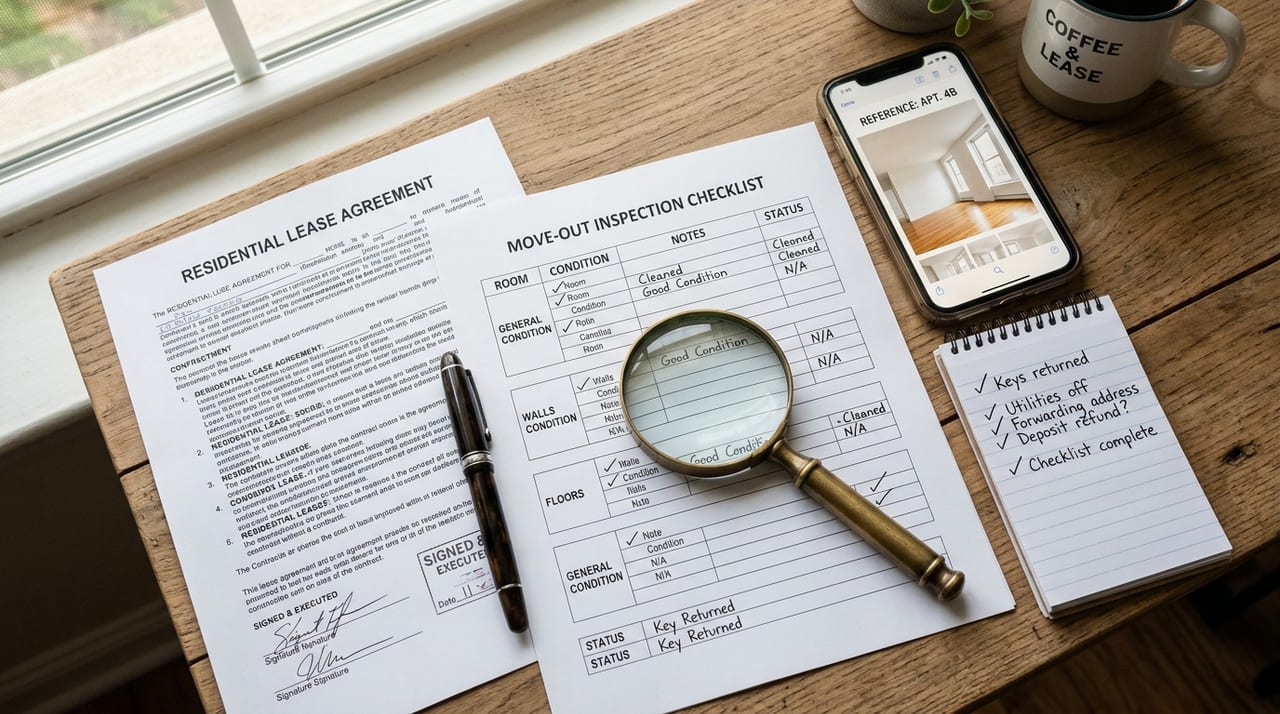
To avoid disputes at move-out, it's essential to inspect the condition of the screen door when you move in and record it on your move-in checklist.
•Check for holes, tears, or discoloration in the screen mesh
•Check for warping or deformation of the frame
•Check that it opens and closes smoothly and doesn't come off easily
•Check that the rails are not damaged
At move-out, the condition will be compared to when you moved in to determine if damage is from wear and tear or negligence. Having photographic or video records is advantageous. If your move-in checklist states 'Screen door: No issues,' you can dispute any sudden claim that it was damaged.
Summary: Knowledge Prevents Cost Disputes
While screen door repairs may seem like a minor issue, moving out without understanding the rules of cost responsibility can result in unexpected charges. It's important to understand the fundamental principle that wear and tear is the landlord's responsibility while negligence is the tenant's, and to develop the habit of promptly reporting any issues to your management company and keeping records.
Additionally, carefully filling out your move-in checklist and keeping records of the condition as evidence is the best way to prevent unnecessary disputes at move-out.