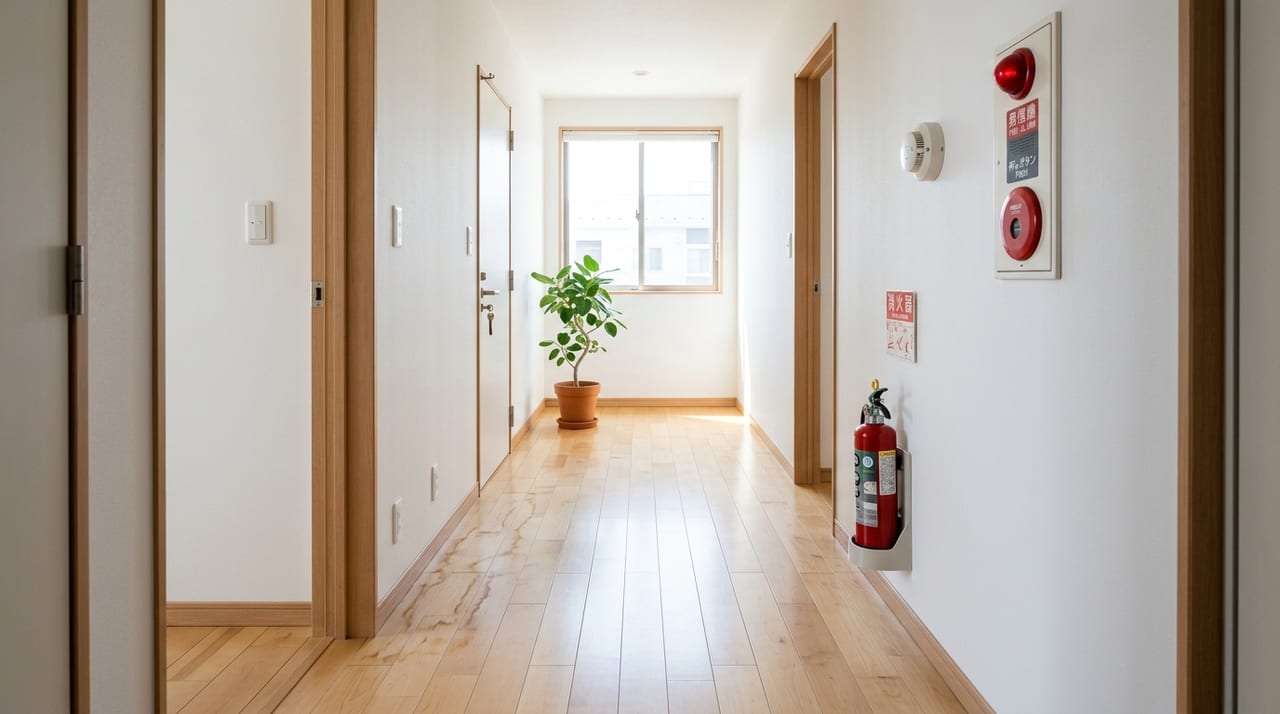
Complete Fire Safety Guide for Rental Housing—Protect Life and Property with Smoke Alarms, Fire Extinguishers, and Daily Precautions
Fire risk in rental housing is surprisingly high, with kitchens, overloaded electrical outlets, and electrical appliances left on while sleeping being the primary causes. From proper use of smoke alarms to everyday fire prevention habits, this guide thoroughly explains practical measures that tenants can implement.
It's easy to think "fire doesn't happen to me," but according to statistics from Japan's Fire and Disaster Management Agency, residential fires number over 30,000 annually. Since many rental properties are multi-unit buildings, a fire in one unit risks spreading to other units and affecting neighbors. This article systematically explains fire prevention measures that tenants can implement right away.
Common Fire Causes and Locations in Rental Housing
The leading causes of residential fires are cooking stoves (cooking appliances), cigarettes, and electrical appliances (cords and outlets). The following situations require particular attention in rental housing.
1. Kitchen (Cooking Stove)
Leaving the stove unattended while heating, overheating cooking oil, and placing flammable cloth or paper near the stove can cause fires. While induction cooktops don't use an open flame, they generate heat and require the same precautions.
2. Overloaded Outlets and Extension Cords
Connecting many electrical devices to USB hubs or extension cords can exceed safe amperage limits and cause overheating and fires. Cords trapped under furniture or bent for long periods are also hazardous.
3. Smoking in Bed and Electrical Appliances While Sleeping
Careless smoking is a classic fire cause. Additionally, charging smartphones while sleeping, or leaving electric blankets and heaters on while in bed pose high risks.
4. Stoves and Heating Appliances
Especially in winter, fires from kerosene and electric heaters increase. Contact with curtains or clothing and fuel spills during refueling are primary causes.
Proper Use and Key Checkpoints for Smoke Alarms
Since 2006, amendments to the Fire Services Law have made installation of smoke alarms mandatory in new residential buildings. Rental apartments and condominiums typically have them installed, but always verify they're working when you move in.
Verify Installation Locations
•All bedrooms
•Stairwells on floors with bedrooms (landings, etc.)
•Some municipalities also mandate kitchen installation
How to Test Operation
Press and hold the button on the unit or pull the attached cord to trigger a test alarm. If no sound occurs, the battery may be dead or the unit may be faulty—contact your building management.
Battery Life and Replacement
Most smoke alarms have a battery life of about 10 years, usually matching the unit's replacement lifespan. If you hear a low-battery alarm (intermittent beeping), address it promptly.
Dealing with False Alarms
If the alarm goes off due to smoke or steam, turn on the exhaust fan, open a window, and wave a fan toward the alarm to disperse the smoke.
Fire Extinguisher Installation—Why You Should Have One Even in Rental Housing
While fire extinguishers are not legally required in individual rental units, they are highly effective for "initial fire suppression"—extinguishing small flames before they spread. Many disasters can be prevented by extinguishing fire within three minutes of ignition.
Recommended Fire Extinguisher Types
•Residential compact fire extinguishers (around 3–4 kg): Easy to position near kitchens or entryways
•Throwable fire suppression devices (aerosol type): Simple to use and easy to handle for women and elderly
•Wet chemical extinguishers: High re-ignition prevention and effective for cooking oil fires (deep fryers, etc.)
Key Points for Placement
•Place one near the kitchen (most critical), near the entrance, and along the path to the bedroom
•Keep the extinguisher within immediate reach and ensure all household members know where it is
Fire Insurance "Contents Insurance" and Rental Housing
Fire insurance (contents insurance) required at the time of signing a rental contract covers damage to a tenant's belongings—furniture, appliances, clothing, and so on—from fire, water damage, theft, and other causes.
Important Points
•The landlord carries insurance on the building itself, so tenants must protect their own belongings
•Adding a "tenant liability coverage endorsement" covers your responsibility if a fire from your unit damages the building (essentially required)
•"Personal liability coverage" covers damage you cause to neighbors, such as water leaks to units below
While you're not required to purchase insurance recommended by your broker, you can compare coverage and premiums across options. Annual premiums typically range from ¥10,000 to ¥20,000.
10 Daily Fire Prevention Habits for Renters
Daily habits are the most effective fire prevention—more so than special measures. Incorporate these 10 habits into your life.
Always turn off the stove before leaving it unattended
Unplug electrical devices before bed or leaving home (microwave, rice cooker, chargers, etc.)
Avoid overloaded outlets and respect safe amperage limits
Don't step on or bend electrical cords under furniture
Keep flammable items at least 60 cm away from heaters
Refuel kerosene heaters only after they've cooled completely
Clean dryer and washer-dryer filters regularly (lint can ignite)
Completely extinguish cigarette butts in water before discarding
Don't block evacuation routes (entrances, balconies) with belongings
Keep contact information for neighbors and building management
In Case of Fire—What to Do
If you judge that the fire is beyond initial suppression, prioritize escape without hesitation. Nothing is more valuable than life.
Steps to Take During a Fire
Shout loudly "Fire!" to alert those around you
Call 119 (you can do this after getting outside)
Stay low and cover your mouth and nose with a towel or cloth to avoid inhaling smoke
Use the stairs—never the elevator—to evacuate
Never return inside after escaping
Fire in a rental unit means losing not only your belongings but risking liability to neighbors and loss of housing. Daily prevention habits and correct knowledge are the best insurance for protecting your own life and that of those around you.
When living in a rental apartment, is earthquake insurance truly necessary? This article explains the differences between earthquake and fire insurance, what earthquake insurance covers and its limitations, and how to prepare appropriately as a tenant.