Helpful information for your apartment search and daily life
829–840 of 967
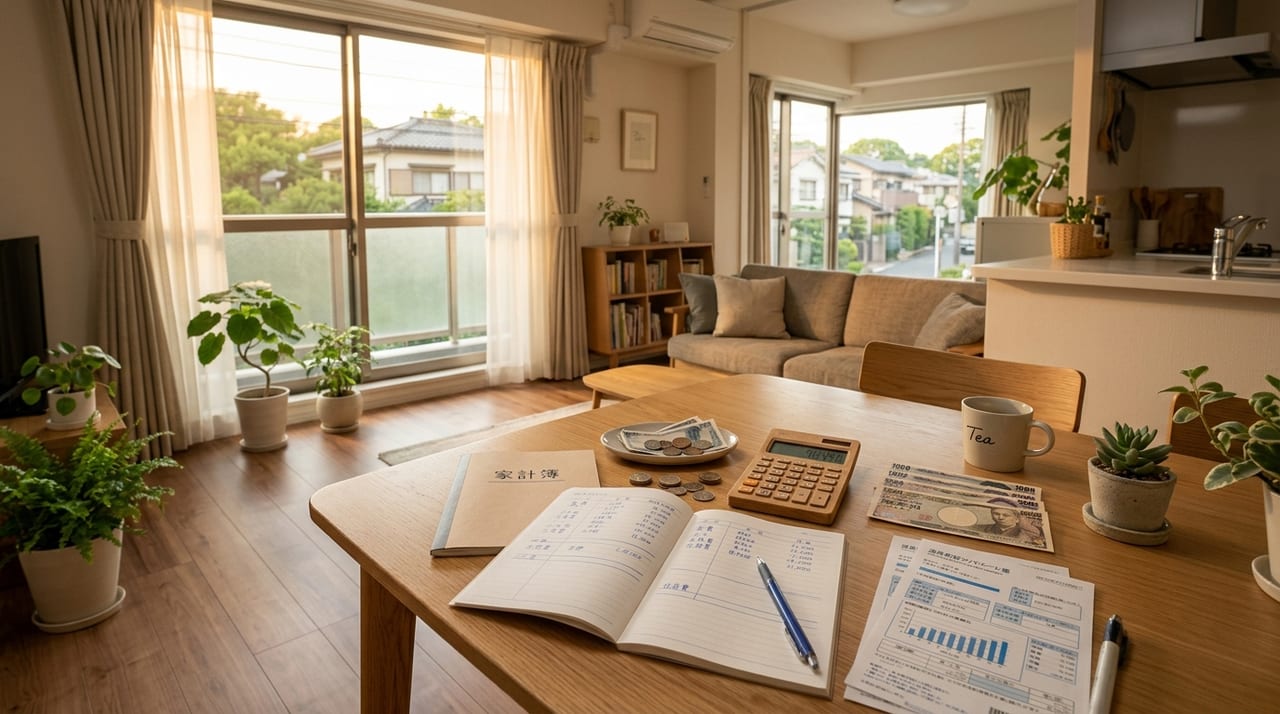
Bundled "set discount" contracts for electricity and gas are drawing attention as a utility cost-saving strategy for rental residents. However, the effectiveness can be limited depending on the property type and household size. This article provides a detailed explanation of how these plans work, the application process, and important considerations.
For those thinking about filing a change of address before moving, we break down the essentials of the 14-day rule under the Basic Resident Register Law and clarify when submitting a change of address before move-in day constitutes false reporting. Experts explain which procedures (like filing at your previous residence, setting up mail forwarding, and arranging utilities) can be done early, and the correct order to do them in.

Social residences offer international communities and unique living spaces, but they operate under different contracts and rules compared to standard rentals. To help foreign residents live comfortably, experts provide a comprehensive guide to contract terms, community guidelines, and move-out procedures.
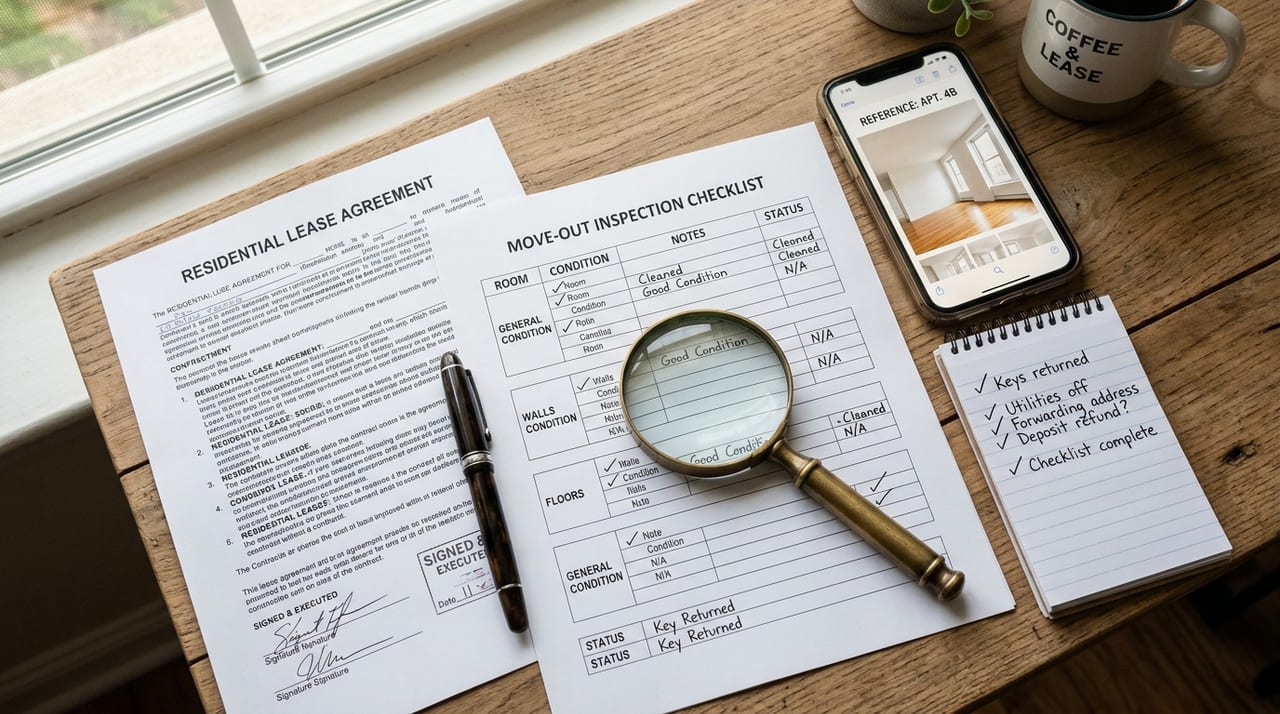
We explain the key points to confirm as your rental lease renewal date approaches. This guide covers renewal fee rates, timing for rent negotiations, contract condition changes, and rules on renewal refusal.
Noise troubles are a common concern for those living in rental apartments. This guide covers everything from managing everyday sounds from units above and neighboring units to external noise, and the proper steps to take when issues occur.
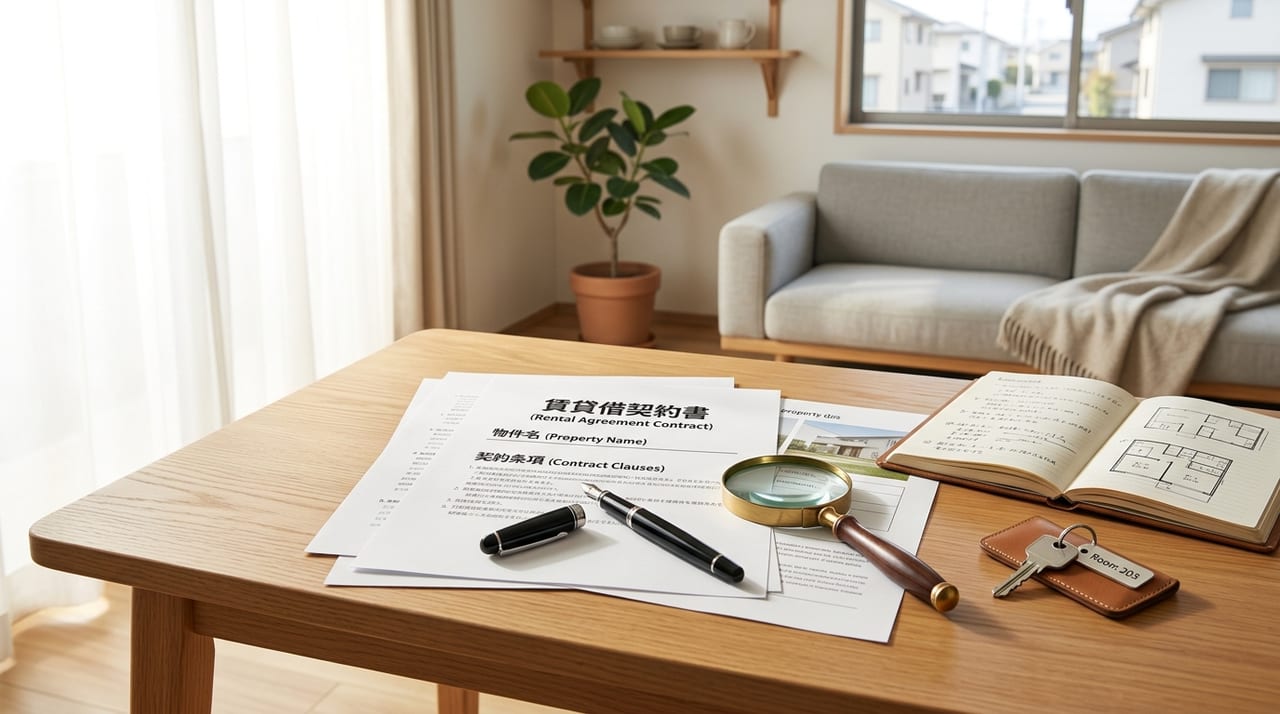
A detailed explanation of the screening process for foreigners renting properties in Japan, required documents, and tips for passing screening. We also introduce precautions by visa status and helpful support programs.
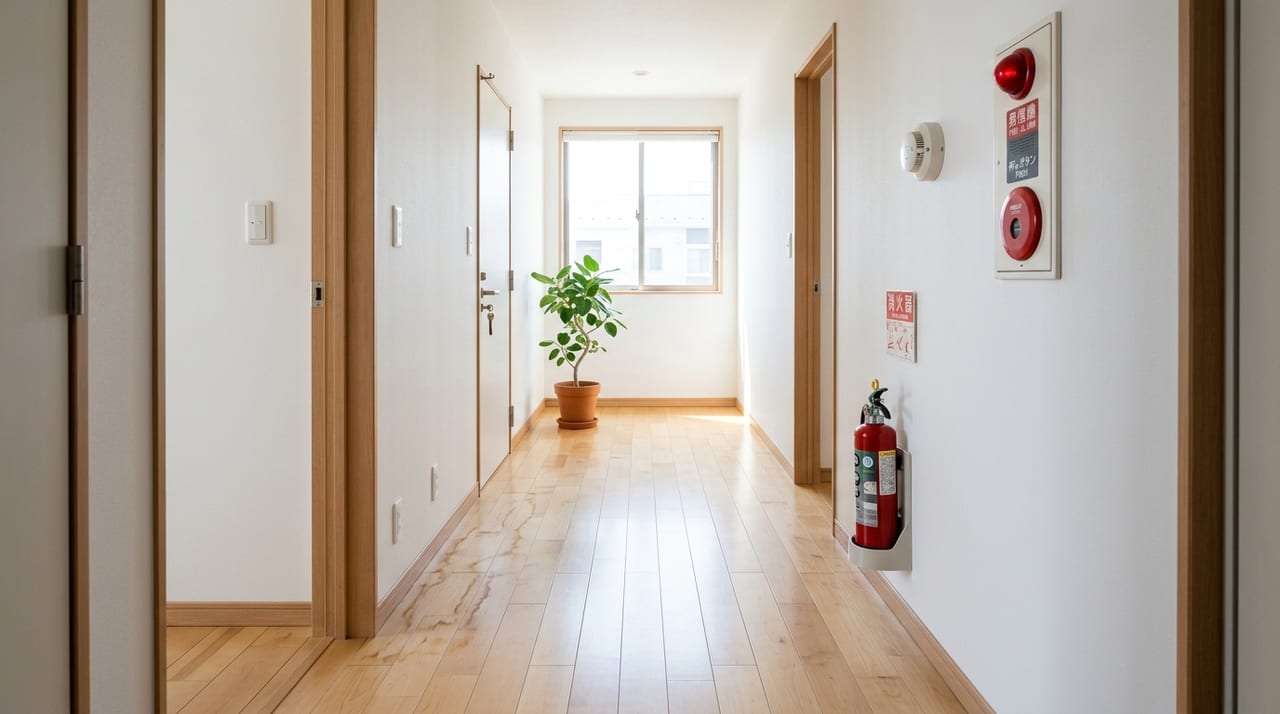
When living in a rental apartment, is earthquake insurance truly necessary? This article explains the differences between earthquake and fire insurance, what earthquake insurance covers and its limitations, and how to prepare appropriately as a tenant.
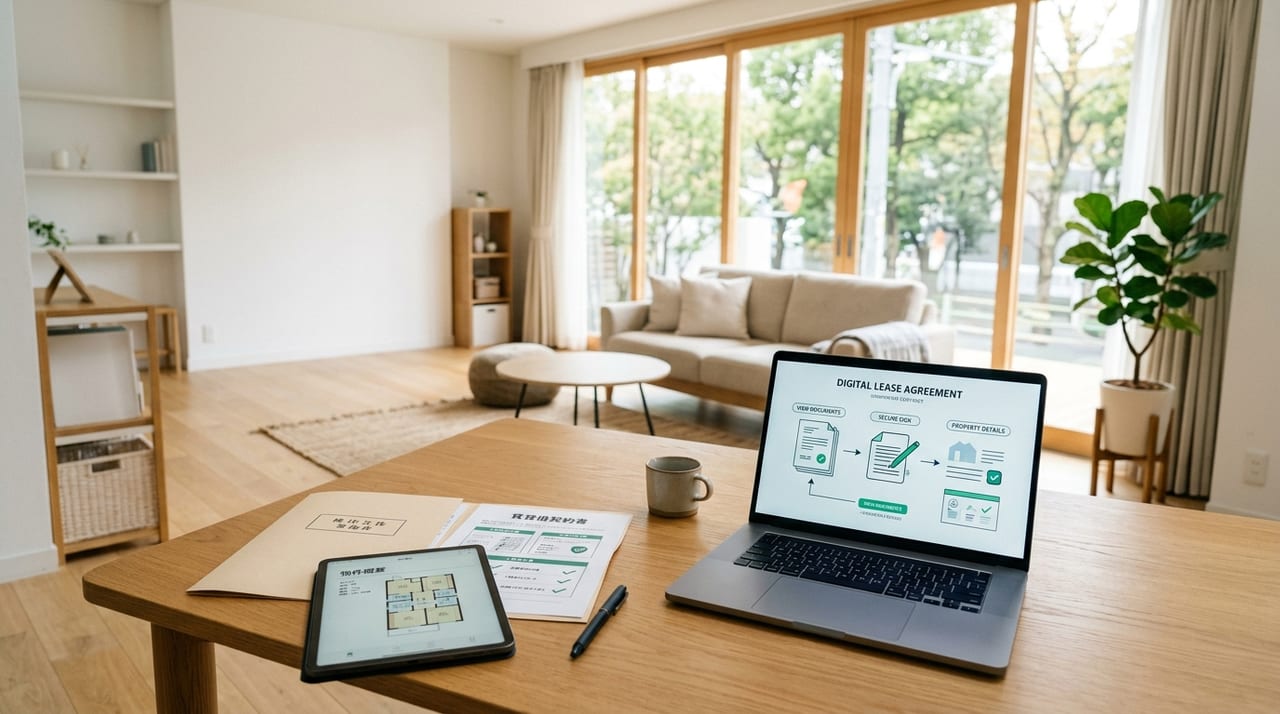
Rental contracts in Japan typically require guarantors or guarantor companies. This guide explains the differences between joint guarantors and guarantor companies, how to rent without a guarantor, and which guarantor companies accept foreign nationals.
Initial rental costs for apartments include security deposits, key money, agency fees, and more, often totaling 3–6 months' rent. An industry expert with over 20 years of experience explains the meaning and market rates for each item, plus negotiation tips to reduce costs.
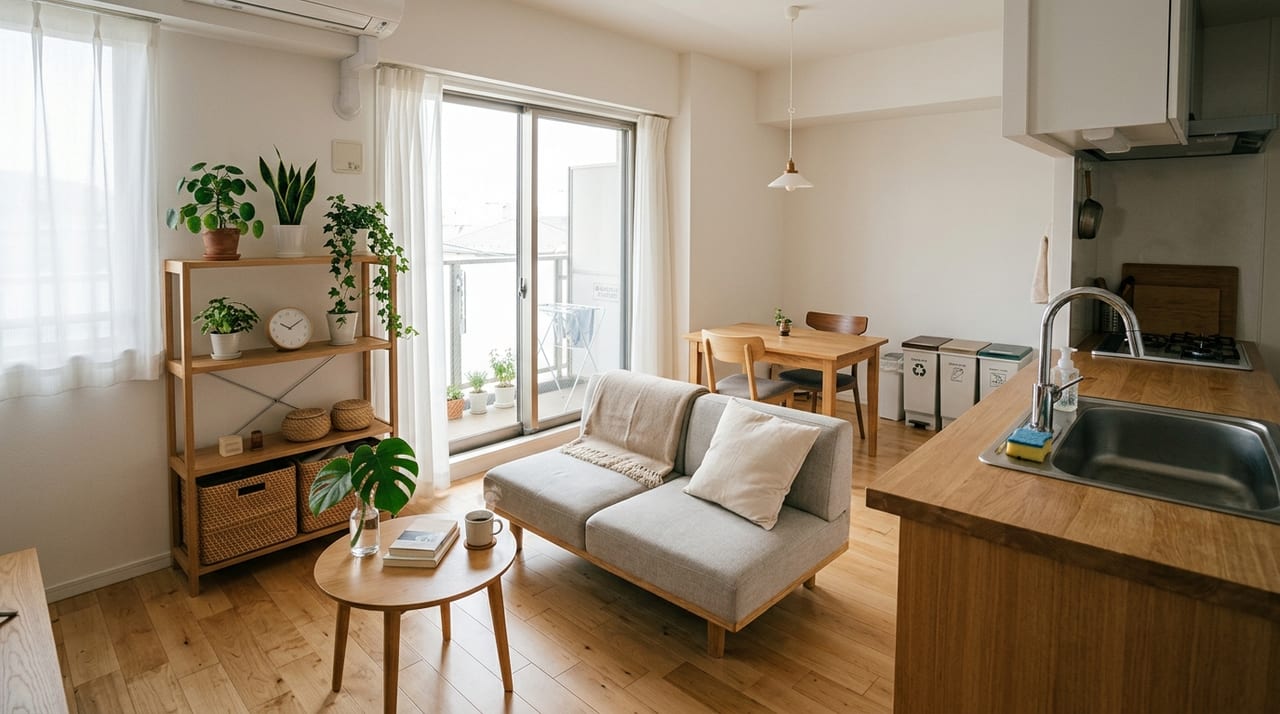
Internet connectivity at rental properties is a critical factor to verify before moving. This guide provides expert rental advice on the characteristics, costs, and construction considerations for each option—from built-in Wi-Fi to fiber-optic lines and home routers.
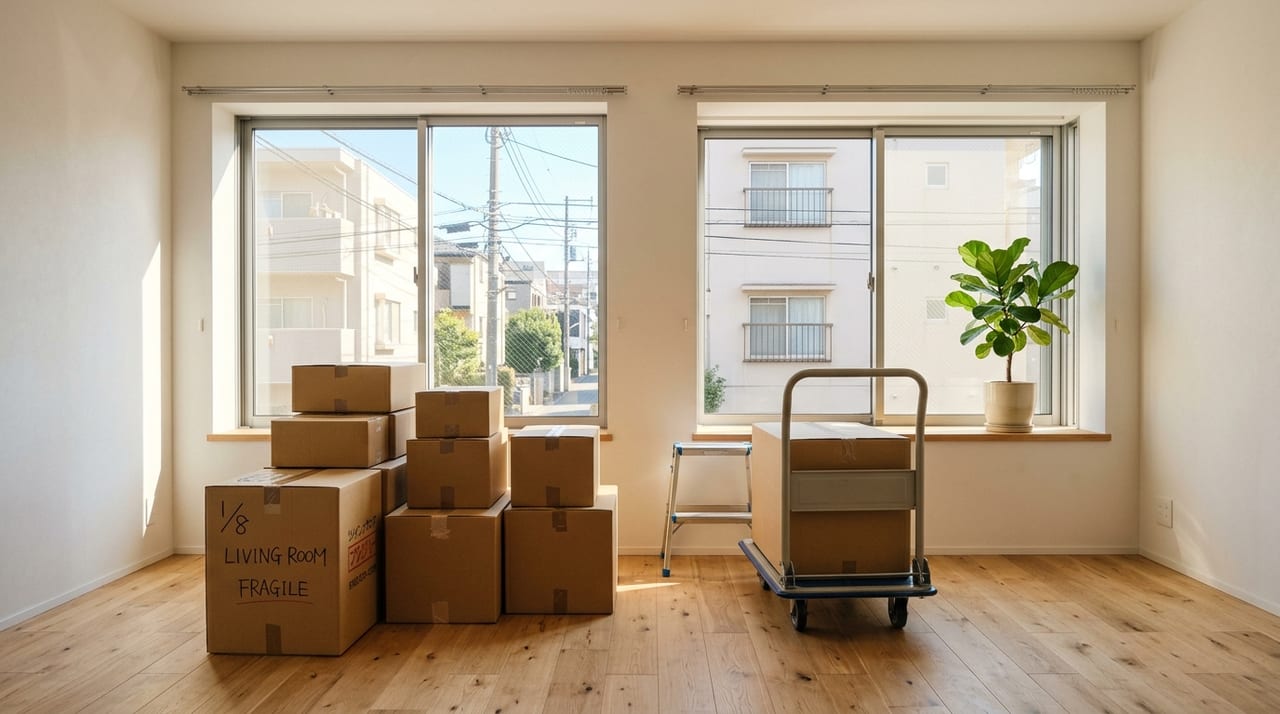
Moving to a rental apartment involves many procedures, and first-timers often struggle to know where to start. This article comprehensively covers everything you need to do in four stages: one month before, two weeks before, one week before, and just before moving day. We'll also explain the timing for address changes and utility setup in detail.
Japanese share houses offer many advantages for foreigners, including low initial costs and no guarantor requirements, but cultural differences and language barriers can also lead to troubles. A real estate professional explains the benefits and drawbacks based on actual cases, providing thorough guidance from move-in considerations to exit checklists.