Complete Guide to Protecting Yourself from Suspicious Persons and Stalkers in Rental Housing——From Choosing Your Property to Daily Security Measures to Police Consultation
Suspicious persons and stalker incidents in rental housing are risks that can happen to anyone. This guide clearly explains concrete steps for security precautions starting from the property selection stage, daily protective measures after moving in, and procedures for consulting with police and management companies when incidents occur.
Living in a rental property, you might have experienced being followed by a suspicious person, having your mailbox tampered with, or finding someone standing at your door——such incidents are far from uncommon. Stalker incidents can happen regardless of gender, and those living alone need to be particularly careful. This article systematically explains everything from security considerations when choosing a property, to daily protective measures after moving in, to how to respond if an incident occurs.
Security Checkpoints to Consider When Selecting a Property
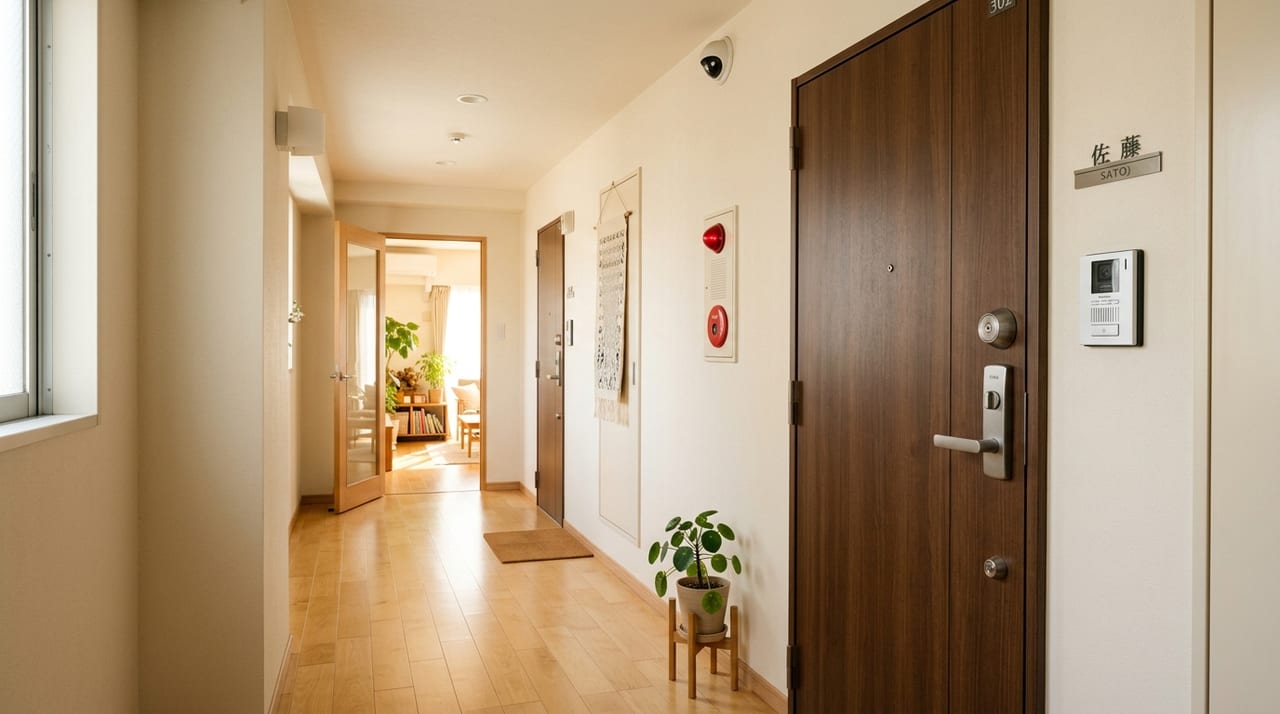
The first step in choosing a safe rental property is confirming the security features during your viewing. First, check whether the building has an automatic lock system. However, even with an automatic lock, preventing unauthorized entry by piggybacking requires awareness among residents.
Next, check the placement of security cameras. Confirm that cameras are installed not only at the entrance but also inside the elevator, in the bicycle parking area, and around the parking area. Properties with cameras positioned to eliminate blind spots are inherently safer.
Ground-floor units require special attention. Because the risk of being watched through windows from outside and of break-ins via the balcony is higher, confirm the condition of any security film on windows and the type of locks used. Whether auxiliary locks are installed is also an important point.
Don't overlook the property's location and surroundings. Check whether there are dimly lit areas with little foot traffic nearby, and consider scheduling a viewing at night as well. By confirming what the area is like during your typical commute home, you'll identify risks that daytime viewings alone won't reveal.
Daily Protective Measures After Moving In
The first thing you should do after moving in is change the locks. Since the previous tenant may have made copies of the keys, ask the management company to replace them with new ones. While most properties have a system where tenants return keys when they move out, it's important to confirm this just to be sure.
In daily life, be careful about sharing location information on social media. When posting photos taken near your home, check whether building characteristics, station name signs, or the apartment building's name are visible in the background. Stalkers can sometimes pinpoint a residence from seemingly minor details.
Be mindful of how you receive deliveries. Avoid conversations during callback calls from delivery notices where you might confirm your home address; if possible, use a delivery box. If one isn't available, using convenience store pickup or lockers are also effective options.
It's also effective to vary your route home on a daily basis. Using the same route every day makes you an easier target for being followed. Especially at night, use multiple different routes to make your movement patterns harder to predict.
What to Do If You Encounter a Suspicious Person
If you see a suspicious person, avoid confronting them directly. Investigating on your own is extremely dangerous. Move to a safe location first, then promptly contact your management company or real estate agent.
If you notice scratches on your lock or mailbox, or signs that someone was standing at your door, document the situation with photos or video before reporting it to your management company. Your management company is in a position to review security camera footage of common areas and may be able to help identify the suspicious person.
If you suspect stalking, immediately contact your nearest police station or call the police consultation hotline "#9110". It's important to gather evidence starting from the consultation stage, not just when filing a report. Keep records of the date, time, content of your consultation, and the name of the officer you spoke with.
Consulting with Police and Legal Options
The Stalking Prevention Law prohibits following, repeatedly sending emails, and loitering near a residence. If incidents are repeated, you can file a complaint with police and apply for a warning or restraining order under the Stalking Prevention Law.
It's effective to bring a record of the incidents when consulting with police. Provide a written record of the dates, times, locations, descriptions of the suspicious person, and circumstances; copies of any emails or letters you received; and security camera footage if available.
If the incidents are serious, temporarily relocating is also an option. When you change your address, you can apply for a resident register access restriction based on stalking, in addition to updating your address with your municipal office. This prevents third parties from obtaining your resident register and discovering your address.
Coordinating with Your Management Company and Landlord
Coordination with your management company and landlord is essential when dealing with suspicious persons. When you report an incident, they may be able to review security camera footage of common areas, increase patrols, and in some cases contact a security company.
If you're concerned about the property's security, try discussing with your management company about installing auxiliary locks or security film. Depending on the property, they may accommodate your request at no cost. However, modifications to fixtures involve restoration obligations, so you must always get permission in advance.
If the situation is urgent, moving is also a realistic option. In cases where you need to terminate the lease due to stalking incidents, penalties may be waived. Review your lease agreement and consult with your management company to understand what options are available.
Your safety while living in a rental property depends greatly on your daily awareness and preparation. It's most important to stay conscious of security from the property selection stage and to know the contact information for consultation services so you can act quickly if needed.
When a woman lives alone, security is the top priority. We've compiled a checklist of key points to verify during apartment viewings: auto-locks, security cameras, location, surrounding environment, and management standards. Confirm each point carefully before moving in and choose a home where you'll feel secure.