Skip to content
SUMUIEスムイエ
PropertiesMoving GuideQuiz
Articles
ColumnsContracts & ProceduresMoving InDaily LifeArea & EnvironmentCosts & FinancesSafety & Disaster Prevention
AboutContact Us
JAEN
SUMUIEスムイエ

Search and compare rental properties across Japan.

Navigation

  • Home
  • Properties
  • Moving Guide
  • Move-in cost calculator
  • About
  • Articles
  • Contact Us
  • FAQ

Member menu

  • My page
  • Member sign-up (free)

Company menu

  • List your properties
  • Company admin
  • Company sign-up (free)

Articles

  • Contracts & Procedures
  • Moving In
  • Daily Life
  • Area & Environment
  • Costs & Finances
  • Safety & Disaster Prevention

About us

  • Company
  • Privacy policy
  • Terms of use

Search by area

HokkaidoTohokuKantoChubuKansaiChugokuShikokuKyushu & Okinawa

Popular prefectures

TokyoKanagawaOsakaAichiFukuokaHokkaidoMiyagiHyogoView all areas →

Sister sites

Shueki JPInvestment properties & yield insightsSenkyakuCommercial & retail tenant brokerage

© 2026 SUMUIE. All rights reserved.

HomePropertiesFavoritesContact Us
  1. Home
  2. Columns
  3. Contracts & Procedures
  4. Complete Guide to Choosing Rental Apartment Orientation (South, East, West, North) and Corner Units
Contracts & Procedures

Complete Guide to Choosing Rental Apartment Orientation (South, East, West, North) and Corner Units

2026-04-28

A thorough comparison of rental property orientation (direction) and corner unit characteristics. South-facing is not always best—depending on your lifestyle, east-facing, west-facing, and north-facing units may be better options. We explain in detail the sunlight exposure, rent differences, and lifestyle impact by orientation.
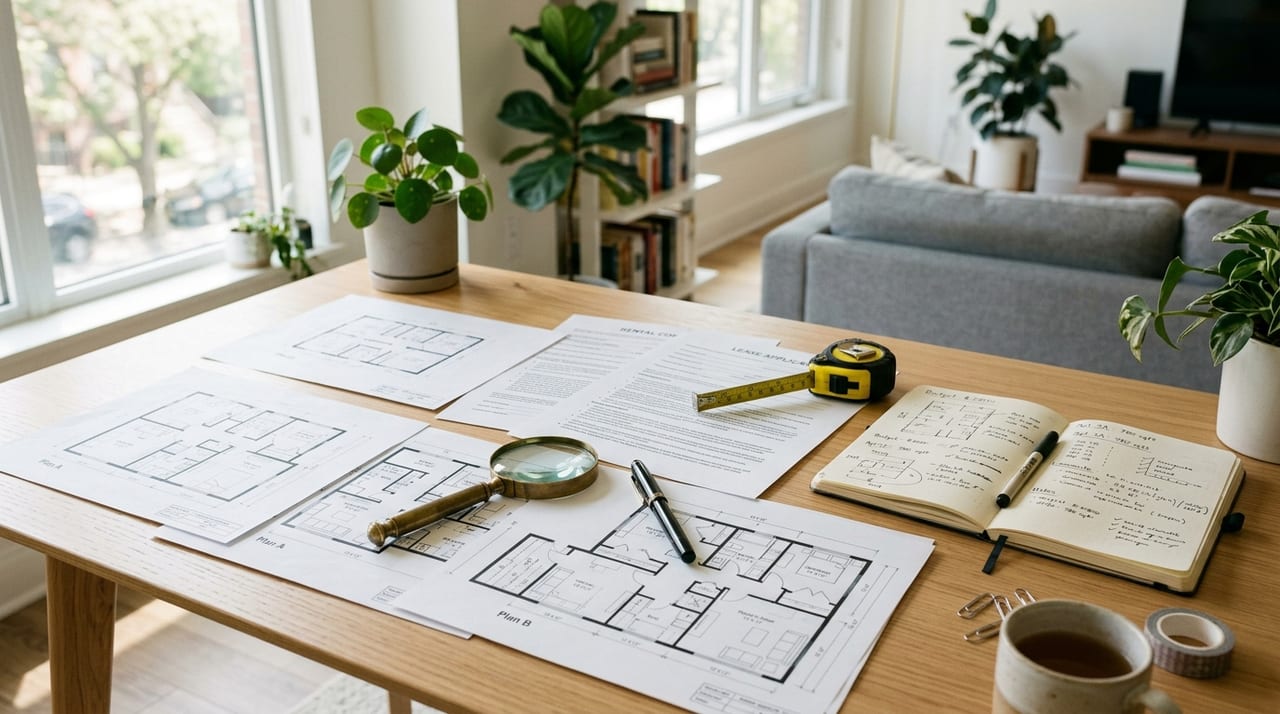
Complete Guide to Choosing Rental Apartment Orientation (South, East, West, North) and Corner Units
#Room Orientation#South Facing#Natural Light#Floor Plan Selection#Property Viewing
森

Reviewed by: Nobuyuki MoriPresident, M-Assets Co., Ltd. / Licensed Real Estate Transaction Specialist (Miyagi #018212)

Table of contents

  1. 01Why Apartment Orientation Matters in Rentals
  2. 02Detailed Comparison of Orientation Characteristics
  3. 03South-Facing: Longest Sunlight Hours and Most Popular
  4. 04East-Facing: Pleasant Morning Light and Cooler Summers
  5. 05West-Facing: Sunset Views and Warm Afternoons
  6. 06North-Facing: Least Sunlight, Cool Summers
  7. 07Corner Units: Characteristics and Considerations
  8. 08Orientation × Lifestyle Recommendation Chart
Related

Other columns

Complete Guide to Choosing Apartment Orientation and Sunlight — Differences and Characteristics of South-, North-, East-, and West-Facing Units

A comprehensive breakdown of how apartment orientation (south-, north-, east-, and west-facing) affects sunlight exposure, utility costs, and comfort. This guide explains the pitfalls of judging by orientation alone, how to check during viewings, and expert tips for choosing based on your work style and daily schedule.

Checking Natural Light and Sunlight During Apartment Viewings—A Guide to Assessing Time of Day, Orientation, and Window Area

Assessing natural light and sunlight during apartment viewings is crucial for making the right choice. This guide explains how to evaluate light variation by time of day, the impact of surrounding buildings, and how to check window size and number—complete with a viewing checklist.

Complete Guide to Rental Floor Plan Symbols and Abbreviations—Understanding LDK, WIC, UB and How to Use Them During Apartment Viewings

A thorough breakdown of the symbols and abbreviations appearing in rental property floor plans. This guide covers the meanings of 20+ terms including LDK, K, DK, UB, WIC, SIC, PS, MB, and CL, plus tips for making the most of floor plans during apartment viewings.

South-Facing Apartments and Natural Light: Features by Direction and How to Check Sunlight Without Failure

Back to columns
09
Viewings: Key Confirmation Points
  • 10Summary
  • Why Apartment Orientation Matters in Rentals

    Apartment orientation (direction) directly affects natural light exposure, sunshine, room temperature, and ventilation—all critical to daily comfort. Even within the same building, rent can differ by ¥10,000 or more depending on orientation, making it an important factor in property selection. Orientation also affects running costs such as curtains, heat-blocking films, and heating expenses.

    This article compares the characteristics of south-, east-, west-, and north-facing units and, including corner units, helps you determine which orientation suits your lifestyle.

    Detailed Comparison of Orientation Characteristics

    South-Facing: Longest Sunlight Hours and Most Popular

    South-facing units have the longest sunlight exposure year-round, with direct sunlight penetrating even in winter. Excellent natural light makes laundry dry quickly and is ideal for growing plants.

    Advantages

    • •Winter daytime is warm with sunlight, helping reduce heating costs
    • •Laundry receives sunlight all day
    • •Interior is bright with a sense of openness

    Disadvantages

    • •Summer direct sunlight is intense, often increasing air conditioning costs
    • •If tall buildings are on the south side, sunlight can be blocked
    • •High demand means higher rent than other orientations (typically ¥1,000–¥5,000 more monthly)

    Best for: Homemakers with long at-home hours, remote workers, families with children

    East-Facing: Pleasant Morning Light and Cooler Summers

    East-facing units receive sunlight in the morning and become shaded in the afternoon. Ideal for morning-oriented lifestyles.

    Advantages

    • •Morning sunlight promotes natural awakening
    • •Afternoon shade makes summer air conditioning costs lower
    • •Often cheaper rent than south-facing units

    Disadvantages

    • •No sunlight in afternoon, making interior dimmer
    • •Winter afternoons lose warmth, causing room temperature to drop

    Best for: Early risers, people whose activity concentrates in the morning, those who dislike summer heat

    West-Facing: Sunset Views and Warm Afternoons

    West-facing units receive sunlight from afternoon through evening. Ideal for those whose life centers on evening and night hours.

    Advantages

    • •Room stays warm from late afternoon onward when returning home from work
    • •Sunset light during evening hours creates a pleasant atmosphere
    • •Often cheaper rent than south-facing units

    Disadvantages

    • •Summer afternoon sun is extremely strong, significantly increasing air conditioning costs (summer heat is the biggest drawback)
    • •No morning sunlight; winter mornings are cold
    • •Heat-blocking curtains and UV films become practically necessary

    Best for: Night-owl lifestyle, office workers returning home in late afternoon, those who enjoy sunset views

    North-Facing: Least Sunlight, Cool Summers

    North-facing units receive almost no direct sunlight year-round. Less popular and cheaper rent, but offer excellent summer cooling.

    Advantages

    • •Room temperature stays low even in summer, dramatically reducing air conditioning costs
    • •Rent is lower than comparable units with other orientations (often ¥2,000–¥10,000+ cheaper monthly)
    • •No direct sunlight means less fading of furniture and wallpaper

    Disadvantages

    • •Winter darkness from insufficient sunlight, increasing heating costs
    • •Condensation occurs easily; mold prevention is necessary
    • •Laundry takes longer to dry

    Best for: Those spending long hours at home in summer, people prioritizing rent over utilities, those sensitive to heat

    Corner Units: Characteristics and Considerations

    Corner units are located at building edges with windows facing two or more directions. They excel in natural light and ventilation but are more affected by insulation performance due to larger exterior wall exposure.

    Advantages

    • •Natural light and ventilation from multiple directions
    • •Fewer adjacent units, reducing noise trouble risk
    • •Wider views from windows with greater sense of openness

    Disadvantages

    • •Extensive exterior walls make winter colder and summer receives multi-directional sunlight
    • •Corner sections may have thinner walls; some units have weak condensation/insulation
    • •Rent is often set higher simply because it's a corner unit

    During apartment viewings, confirm "which directions have windows," "insulation material thickness," and "whether windows have double glazing."

    Orientation × Lifestyle Recommendation Chart

    LifestyleRecommended OrientationReason
    Remote workers/homemakersSouth-facingLong sunlight hours keep interior bright
    Early riser/morning habitsEast-facingNatural morning light supports awakening
    Night owl/late arrival homeWest-facingWarm when arriving home in evening
    Sensitive to summer heatNorth-facing/East-facingReduces summer room temperature rise
    Cost-focusedNorth-facingMost affordable rent option
    Privacy-focusedCorner unit + North-facingFewer adjacent units, avoids direct sunlight

    Viewings: Key Confirmation Points

    When confirming orientation, don't just rely on real estate site labels like "south-facing." Directly verify the following:

    1. Measure with compass app: Use your smartphone's compass to confirm which direction your balcony faces.
    2. Check surrounding buildings: Even south-facing units lose sunshine if tall buildings block the view.
    3. View at different times: Visit during morning, midday, and evening to see actual natural light levels.
    4. Check window size and number: Even south-facing units with small windows have limited natural light.

    Summary

    There is no absolute "best" room orientation—selecting one suited to your lifestyle is most important. While south-facing has a strong reputation as "ideal," if you dislike summer heat, east- and north-facing units often save more on electricity. Balance rent and preferences, view units in person, and decide after checking with a compass and your own eyes.

    Related Columns

    • 収益JP

      不動産投資家のためのAIツール

      投資判断を支援するAI活用

    • 収益JP

      2026年金利戦略

      不動産投資家向けの金利動向と戦略

    • 収益JP

      仙台不動産市場の2026年課題

      仙台エリアの投資マーケット分析

    Categories

    • Contracts & Procedures215
    • Moving In129
    • Daily Life288
    • Area & Environment111
    • Costs & Finances118
    • Safety & Disaster Prevention72

    Popular tags

    #Move-out Restoration85#Property Selection70#Solo Living67#Average Rent

    A comprehensive guide to how the direction and sunlight of rental properties impact your daily life. Features of south-facing, east-facing, west-facing, and north-facing apartments and their effects on utility costs, how to check natural light during property viewings, and sunlight conditions in Sendai and other Tohoku regions.

    A Complete Guide to Rental Guarantors and Guarantor Companies: How to Rent Without a Guarantor

    Rental contracts in Japan typically require guarantors or guarantor companies. This guide explains the differences between joint guarantors and guarantor companies, how to rent without a guarantor, and which guarantor companies accept foreign nationals.

    Complete Guide to Choosing Rental Apartments for Corporate Transferees—Managing Short-Term Cancellations, Moving Costs, and Single-Occupancy Transfers

    A guide for corporate employees with frequent transfers. Covers the differences between fixed-term and standard leases, strategies to avoid short-term cancellation penalties, moving expense assistance during transfers, and how to decide between family relocation and single-occupancy transfer.

    Sister sites

    Shueki JP

    Investment properties & yield insights

    Senkyaku

    Commercial & retail tenant brokerage

    62
    #Foreigners60
    #Rental Contracts59
    #Initial Costs51
    #Property Viewing50
    #Rentals47
    #Guarantor Company36
    #Area Selection36
    #Tenant Screening36
    #Cost Savings32
    #Moving31
    #Property Management31
    #Move-Out Costs30

    Columns

    • 床スラブ厚と上階の足音問題——賃貸で「ドン」という衝撃音が響く構造的な理由と物件選びのポイント

    • 前橋・群馬の賃貸エリアガイド【2026年版】——主要エリア別家賃相場と住みやすさを徹底比較

    • Making the Most of Protruding Beams and Columns in Rental Apartments — Smart Furniture Placement Strategies

    • Mito & Ibaraki Rental Area Guide [2026] — Comprehensive Explanation of Rental Rates and Livability by Major Area

    • Uncovering Property Issues by Asking Previous Tenants About Their Departure—Questions to Ask During Viewings and How to Interpret Answers

    Previous article

    ← Complete Guide to All-Electric Rentals: Merits, Demerits, Utility Costs, Safety, and Who Should Choose One

    Next article

    Comparing Rental Flooring Types: Hardwood, Tatami, and Vinyl—Selection Guide and Move-Out Precautions →