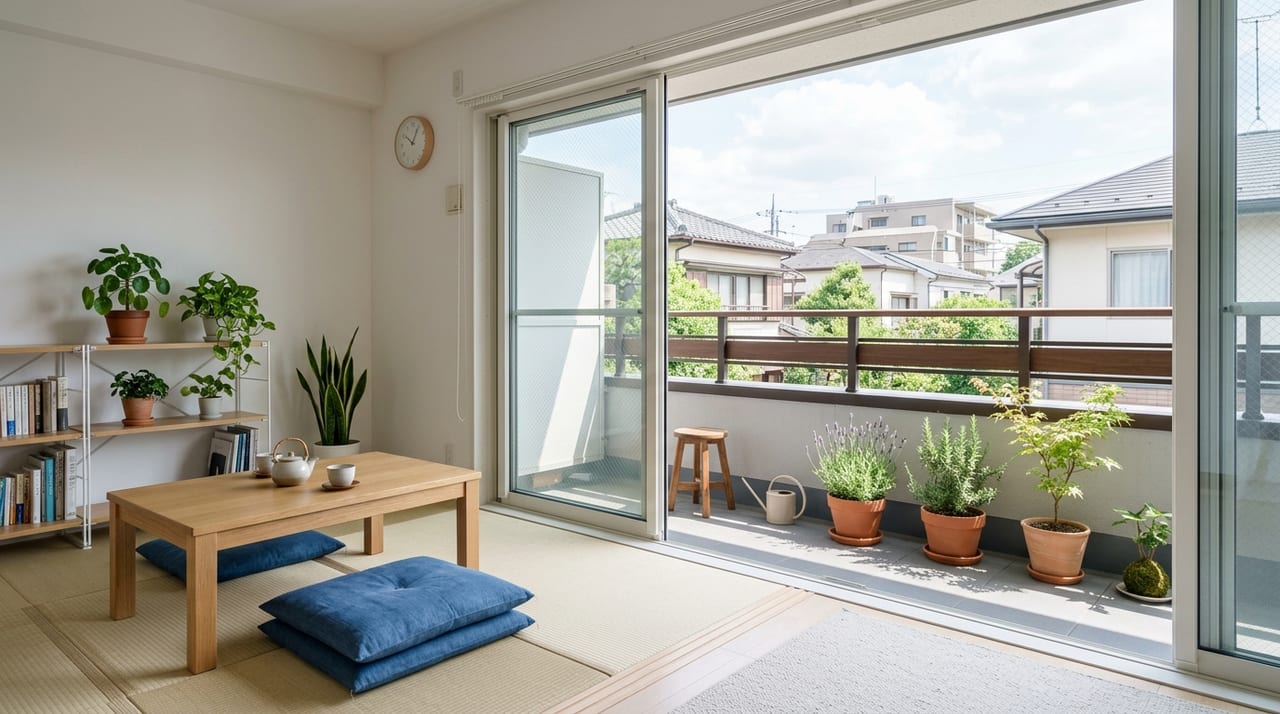
Comparing Rental Flooring Types: Hardwood, Tatami, and Vinyl—Selection Guide and Move-Out Precautions
Rental properties typically feature four main flooring types: hardwood, tatami, cushioned vinyl, and carpet. This guide provides a comprehensive comparison of each type's characteristics, advantages, disadvantages, typical restoration costs at move-out, and whether DIY modifications are permitted. We'll also cover daily care methods for each flooring type.
Rental flooring is about more than just appearance. It significantly impacts noise levels, heat retention, ease of cleaning, and move-out costs. By selecting a property with flooring that suits both the room's purpose (living room, bedroom, children's room) and your lifestyle, you can avoid regrets after moving in.
Let's review the characteristics of four common flooring types: hardwood, tatami, cushioned vinyl, and carpet.
Hardwood Flooring
Hardwood flooring is the most common flooring material in modern rental properties. There are two types: engineered wood (plywood) and solid hardwood. In rentals, engineered wood is standard.
Advantages
•Easy to clean and can be wet-wiped
•Complements modern interior design
•Less prone to allergens and dust mites
Disadvantages
•Footsteps and dropped objects are noisy (creating noise disturbances for downstairs neighbors)
•Gets cold in winter and can feel chilly underfoot
•Scratches are easily visible and may result in repair costs at move-out
Move-Out Considerations
Hardwood scratches and stains may be subject to restoration costs. According to Ministry of Land, Infrastructure, Transport and Tourism guidelines, normal wear marks (such as furniture impressions) are the landlord's responsibility; however, damage from wheeled chairs or pet claws typically falls to the tenant. Using floor mats or rugs is effective for damage prevention.
Daily Care
Dry wiping is the basic method. Avoid excessive wet cleaning, as it can cause warping and peeling. If using a hardwood floor wet mop, limit to once or twice per week.
Tatami
Tatami, woven from rush grass, is an iconic traditional Japanese flooring. Modern variations such as Ryukyu tatami (frameless mats) are becoming popular, increasingly appearing in contemporary Japanese-style interiors.
Advantages
•Cushioned and absorbs impact from falls (popular with families with children)
•Naturally regulates humidity—cool in summer and warm in winter
•Minimizes noise from footsteps
Disadvantages
•Prone to mold and dust mites, requiring regular maintenance
•Heavy furniture can leave indentations, potentially resulting in restoration costs
•Susceptible to water damage and staining from spills
Move-Out Considerations
Tatami discoloration (sun fading) and minor wear are typically covered by the landlord as natural aging; however, mold, stains, and tears are usually the tenant's responsibility. Replacing a single tatami mat typically costs ¥5,000–¥15,000.
Daily Care
Dry-sweep once or twice weekly, following the grain direction. During humid seasons, open windows for ventilation and vacuum regularly.
Cushioned Vinyl Flooring (Vinyl Sheet Flooring)
Cushioned vinyl flooring is a vinyl sheet material available in diverse designs—hardwood patterns, marble looks, tile effects, and more. Its affordability and easy installation make it common in older properties and wet areas (bathrooms and toilets).
Advantages
•Highly resistant to water and stains; easy to clean
•Cushioned, producing minimal noise when objects are dropped
•Warmer underfoot than hardwood
•Affordable with low replacement costs
Disadvantages
•May appear inexpensive and lack premium aesthetics
•Heat-sensitive; direct exposure to hair dryers or electric heating pads can cause warping
•Less durable than hardwood; prone to peeling and yellowing with age
Move-Out Considerations
Vinyl yellowing and minor wear are typically covered by the landlord as normal aging; however, stains from smoking or pets, and indentations from heavy furniture, are usually the tenant's responsibility. Replacement costs range from ¥2,000–¥4,000 per square meter.
Daily Care
Can be wet-cleaned for easy maintenance. Remove rubber-backed mats (bath and entry mats) frequently to prevent discoloration, and ensure good ventilation.
Carpet
Wall-to-wall carpet is common in older buildings and properties in cold climates.
Advantages
•Excellent insulation keeps feet warm in winter
•Superior shock absorption makes it safe for elderly residents and children
•Absorbs footsteps and household noise, minimizing disturbance to downstairs neighbors
Disadvantages
•Accumulates dust mites and household dust, unsuitable for those with allergies
•Stains easily and is difficult to remove once set
•Full replacement is expensive (¥3,000–¥8,000 per square meter)
Move-Out Considerations
Carpet fading and normal wear are typically the landlord's responsibility; however, food and beverage stains, pet hair, and tobacco odor are usually the tenant's responsibility.
Flooring Type Cost and Performance Summary
Flooring Type
Move-Out Repair Risk
Daily Maintenance
Sound Insulation
Heat Retention
Hardwood
Medium (scratches, discoloration)
Low
Low
Low
Tatami
Medium (mold, indentations)
Medium
Medium
High
Cushioned Vinyl
Low–Medium
Low
Medium
Medium
Carpet
Medium–High (stains, odor)
High
High
High
DIY and Temporary Mats in Rentals—What You Need to Know
Replacing flooring without permission is not permitted in rental properties. Floor mats, tile mats, and interlocking mats that simply lay on top are generally allowed (no restoration required if removed at move-out). If using mats, remember to remove and air them regularly and clean underneath.
Summary
While hardwood is the most versatile rental flooring and easiest to clean, carpet and tatami are strong options if noise reduction and heat retention are priorities. Since move-out restoration costs vary by flooring type, the best way to prevent disputes is to carefully inspect the flooring during viewings and document any existing scratches or stains on your move-in inspection checklist.
LED light bulb replacement in rental apartments is generally possible, but precautions vary depending on the type of fixture. This guide covers the process of replacing fluorescent lights with LEDs, annual energy savings of over ¥4,000, and complete restoration rules for move-out.