Skip to content
SUMUIEスムイエ
PropertiesMoving GuideQuiz
Articles
ColumnsContracts & ProceduresMoving InDaily LifeArea & EnvironmentCosts & FinancesSafety & Disaster Prevention
AboutContact Us
JAEN
SUMUIEスムイエ

Search and compare rental properties across Japan.

Navigation

  • Home
  • Properties
  • Moving Guide
  • Move-in cost calculator
  • About
  • Articles
  • Contact Us
  • FAQ

Member menu

  • My page
  • Member sign-up (free)

Company menu

  • List your properties
  • Company admin
  • Company sign-up (free)

Articles

  • Contracts & Procedures
  • Moving In
  • Daily Life
  • Area & Environment
  • Costs & Finances
  • Safety & Disaster Prevention

About us

  • Company
  • Privacy policy
  • Terms of use

Search by area

HokkaidoTohokuKantoChubuKansaiChugokuShikokuKyushu & Okinawa

Popular prefectures

TokyoKanagawaOsakaAichiFukuokaHokkaidoMiyagiHyogoView all areas →

Sister sites

Shueki JPInvestment properties & yield insightsSenkyakuCommercial & retail tenant brokerage

© 2026 SUMUIE. All rights reserved.

HomePropertiesFavoritesContact Us
  1. Home
  2. Columns
  3. Moving In
  4. Avoiding Security Deposit Disputes at Move-Out: Restoration to Original Condition Explained (Settlement Issues & Dispute Cases)
Moving In

Avoiding Security Deposit Disputes at Move-Out: Restoration to Original Condition Explained (Settlement Issues & Dispute Cases)

2026-04-21

Security deposit settlement disputes are common. Learn the correct procedures when moving out, how to request your deposit back, and resolve disputes—complete guide with real-world examples.
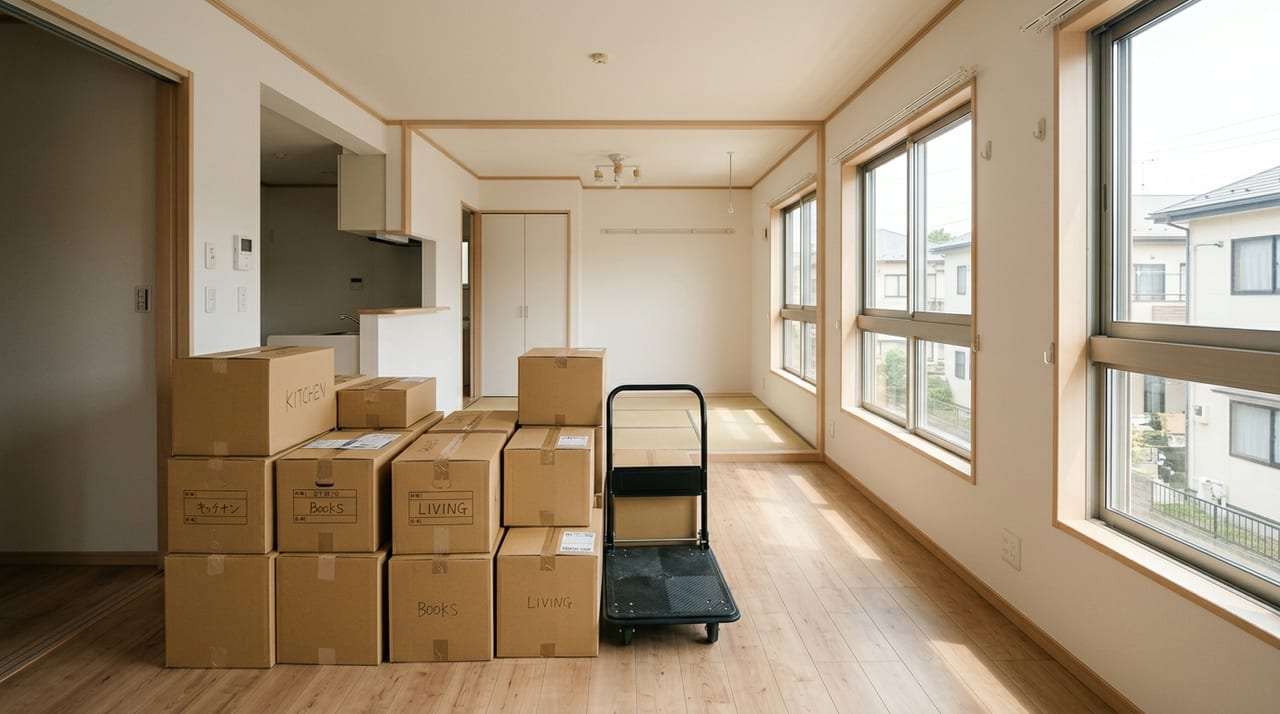
Avoiding Security Deposit Disputes at Move-Out: Restoration to Original Condition Explained (Settlement Issues & Dispute Cases)
#Move-Out#Move-out Restoration#Security Deposit
森

Reviewed by: Nobuyuki MoriPresident, M-Assets Co., Ltd. / Licensed Real Estate Transaction Specialist (Miyagi #018212)

Table of contents

  1. 01What Is Restoration to Original Condition? — Understanding the Legal Definition of "Returning to Original State"
  2. 02Normal Wear and Tear vs. Age-Related Deterioration — Knowing Where Cost Responsibility Begins
  3. 03Pre-Move Inspection Checklist and Photography — Documenting Evidence Is Your Greatest Defense
  4. 04What to Do at Move-In
  5. 05Pre-Move-Out Self-Inspection Checklist
  6. 06Communicating with Your Property Management Company — Records and Negotiation Tactics
  7. 07What to Watch for During the Move-Out Inspection
Related

Other columns

Recording Equipment and Meter Initial Values Right After Moving In — How to Take Photos and Keep Records to Prevent Move-Out Disputes

Learn how to record initial meter readings for electricity, gas, and water on move-in day, and photograph any marks or dirt in your apartment. A rental property expert explains in detail the documentation methods you should perform right after moving in to prevent unfair charges when you move out.

Pre-Move-in Checklist Examples and Template: How to Accurately Document Wall, Floor, and Equipment Conditions

A pre-move-in checklist is the most critical document for preventing security deposit disputes at move-out. This guide explains detailed examples for documenting walls, floors, and equipment, along with photo tips and how to submit to your management company.

Preventing Security Deposit Return Disputes: Practical Steps to Take Before Moving Out

Security deposit disputes commonly arise when moving out of rental housing. By understanding the legal nature of security deposits and the proper scope of restoration to original condition, and by learning about evidence preservation and claim procedures, you can protect your rights against unfair charges.

No More Security Deposit Disputes! Your Complete Restoration Guide

Most security deposit troubles at move-out can be prevented through proper knowledge and advance planning. Understanding the tenant and landlord responsibility breakdown according to Ministry of Land, Infrastructure, Transport and Tourism guidelines, and taking appropriate action from move-in through move-out, is the key to recovering your security deposit.

Back to columns
  • 08When You Receive the Estimate
  • 09Common Dispute Cases and How to Respond
  • 10Case 1: You Don't Smoke But Are Charged for Cigarette Stains
  • 11Case 2: You're Charged Far More Than Your Security Deposit
  • 12Case 3: AC Cleaning Costs Are Charged Without Notice
  • 13Requesting Security Deposit Return and Resolving Disputes — Don't Accept Injustice
  • 14Certified Mail with Delivery Confirmation
  • 15Using Consultation Services
  • 16Small Claims Lawsuit
  • What Is Restoration to Original Condition? — Understanding the Legal Definition of "Returning to Original State"

    When moving out of a rental apartment, many tenants worry about one thing: "How much of my security deposit will I get back?" At the heart of this anxiety lies a misunderstanding of the concept of restoration to original condition.

    Restoration to original condition is defined by Article 621 of the Japanese Civil Code and the "Guidelines for Disputes Over Restoration to Original Condition" established by Japan's Ministry of Land, Infrastructure, Transport and Tourism. In essence, it means "restoring damage caused by the tenant's intentional or negligent acts, breach of duty to maintain reasonable care, or damage resulting from use beyond normal wear and tear."

    The key point is that restoration does not mean returning the apartment to its pre-move-in state. For example, if you live somewhere for many years, wallpaper will naturally yellow and hardwood floors will develop minor scratches—this is unavoidable. Such natural aging and wear are excluded from restoration obligations, and you should not bear the cost. Understanding this distinction is your first line of defense against move-out disputes.


    Normal Wear and Tear vs. Age-Related Deterioration — Knowing Where Cost Responsibility Begins

    Two concepts are essential to understanding restoration to original condition: "normal wear and tear" and "age-related deterioration."

    Normal wear and tear refers to the inevitable wear and damage that occurs through ordinary living. Examples include floor indentations caused by furniture or refrigerators, discoloration of tatami or hardwood flooring due to sunlight, and small nail holes in walls (that do not penetrate the backing board). These are costs the landlord should bear, and cannot legally be deducted from your security deposit.

    Costs the tenant may be responsible for include:

    • •Wallpaper discoloration or staining from cigarette smoke and odor
    • •Claw marks or lingering odor from pets
    • •Large scratches or holes from carelessness (impact damage from bumping walls hard)
    • •Mold or mineral staining caused by neglected cleaning
    • •Wall or window frame rot from prolonged condensation exposure

    While Japan's Ministry of Land, Infrastructure, Transport and Tourism guidelines are not legally binding, they are widely used as the standard in court decisions and by most property management companies. Remember: when disputes arise, you can use these guidelines as the basis for negotiation.


    Pre-Move Inspection Checklist and Photography — Documenting Evidence Is Your Greatest Defense

    The single most effective way to prevent move-out disputes is thorough documentation. By recording the apartment's condition from move-in through move-out, you can clearly counter any unreasonable claims.

    What to Do at Move-In

    • •Take photos and video of the entire interior immediately after moving in, documenting any existing damage or stains
    • •Carefully complete the "move-in inspection checklist" provided by your real estate agent, noting any damage, and keep a copy for your records
    • •Store photos in cloud storage or an external drive so you can access them even after changing phones

    Pre-Move-Out Self-Inspection Checklist

    About 1–2 months before moving out, check the following items:

    AreaWhat to Check
    Walls & CeilingHoles, cracks, cigarette smoke stains
    Floors & HardwoodScratches, discoloration, peeling
    Wet Areas (Bath, Toilet, Kitchen)Mold, mineral deposits, clogged drains
    Windows & FramesRot from condensation, broken locks
    Doors & Sliding DoorsMisalignment, holes
    Appliances (AC, Ventilation Fan)Working condition, filter cleanliness

    Take photos again of the same areas before the move-out inspection appointment. Multiple timestamped photos are powerful evidence in any future dispute.


    Communicating with Your Property Management Company — Records and Negotiation Tactics

    From the moment you notify them of your move-out until the security deposit settlement, communicate with your property management company in writing or by email as much as possible. Verbal discussions leave no record and often devolve into "he said, she said" arguments.

    What to Watch for During the Move-Out Inspection

    During the move-out inspection, management company staff and contractors will inspect each room and document damage. Be aware of these important points:

    • •Sign carefully: Do not sign documents that could be interpreted as accepting responsibility for restoration costs without fully reviewing them first
    • •Ask for clarification on the spot; you can also request a document to take away for further review before responding
    • •If any damage they identify should count as normal wear and tear, object immediately and note your objection

    When You Receive the Estimate

    Once you receive the security deposit settlement statement or repair cost estimate, always examine the itemization carefully. Be cautious of items like "full wallpaper replacement" or "full floor refinishing"—repairs should be limited to the damaged areas only. Even if full replacement is necessary, only the cost exceeding normal aging can be charged to you.


    Common Dispute Cases and How to Respond

    Case 1: You Don't Smoke But Are Charged for Cigarette Stains

    A non-smoker is told the wallpaper has cigarette stains and charged a high replacement fee. In this situation, show your move-in photos and state in writing that "the staining either existed before I moved in" or "I am a non-smoker." If the management company cannot provide evidence, you can demand they withdraw the charge.

    Case 2: You're Charged Far More Than Your Security Deposit

    A security deposit of ¥100,000 but faced with a ¥300,000 repair bill afterward—this is not uncommon. Request a detailed written explanation of each item and compare it against the guidelines to determine if costs should be your responsibility. You can refuse payment by written notice for any unreasonable charges.

    Case 3: AC Cleaning Costs Are Charged Without Notice

    Under normal use, AC internal cleaning is the landlord's responsibility. However, if filter maintenance was neglected and the interior is severely dirty, the tenant may share the cost. Regular filter cleaning and photographic documentation of this maintenance is an effective preventive measure.


    Requesting Security Deposit Return and Resolving Disputes — Don't Accept Injustice

    If negotiations stall or unreasonable charges persist, you have these options:

    Certified Mail with Delivery Confirmation

    To formally demand your security deposit back from the management company or landlord, use certified mail with delivery confirmation (内容証明郵便). This provides legal proof of what was sent and its contents, making it powerful evidence in negotiation. Include the amount you're requesting, the legal basis (e.g., Article 622-2 of the Civil Code), and a response deadline.

    Using Consultation Services

    • •National Consumer Affairs Center / Local Consumer Affairs Centers: Free consultation and mediation services available
    • •Legal Support Center (日本司法支援センター): Offers fee advancement programs for attorney costs, lowering the financial barrier
    • •Real Estate Fair Transaction Promotion Organization (RETIO): Specialized consultation for real estate disputes

    Small Claims Lawsuit

    If your security deposit return request is ¥600,000 or less, you can file a small claims lawsuit. This process is simpler than regular court proceedings and results in a judgment after one hearing, typically without needing an attorney. This is a practical way to recover unlawfully withheld deposits.


    Move-out disputes can be greatly reduced through proper knowledge and advance preparation. Don't simply accept charges—instead, arm yourself with guidelines and evidence, and negotiate firmly. Building a record from the moment you move in is your strongest defense in protecting yourself when you move out.

    Related Columns

    • 収益JP

      不動産投資家のためのAIツール

      投資判断を支援するAI活用

    • 収益JP

      2026年金利戦略

      不動産投資家向けの金利動向と戦略

    • 収益JP

      仙台不動産市場の2026年課題

      仙台エリアの投資マーケット分析

    Categories

    • Contracts & Procedures215
    • Moving In129
    • Daily Life288
    • Area & Environment111
    • Costs & Finances118
    • Safety & Disaster Prevention72

    Popular tags

    #Move-out Restoration85#Property Selection70#Solo Living67#Average Rent

    Complete Guide to Mold Prevention in Rental Apartments — Causes, DIY Removal Methods, and How to Request Repairs from Management Companies

    A thorough guide to mold problems in rental apartments. We explain the causes and prevention methods for mold in bathrooms, window frames, and closets; DIY removal techniques; when you can and cannot request repairs from management companies; and your restoration obligations when moving out.

    Equipment Inspection Checklist Before Move-in — 30 Essential Items to Check During Apartment Viewing and Key Handover

    A comprehensive guide to the equipment and condition checklist you must verify before move-in. Covers what to inspect during viewings and key handover, how to complete a move-in inspection report, and proper documentation methods to prevent future disputes.

    Sister sites

    Shueki JP

    Investment properties & yield insights

    Senkyaku

    Commercial & retail tenant brokerage

    62
    #Foreigners60
    #Rental Contracts59
    #Initial Costs51
    #Property Viewing50
    #Rentals47
    #Guarantor Company36
    #Area Selection36
    #Tenant Screening36
    #Cost Savings32
    #Moving31
    #Property Management31
    #Move-Out Costs30

    Columns

    • 床スラブ厚と上階の足音問題——賃貸で「ドン」という衝撃音が響く構造的な理由と物件選びのポイント

    • 前橋・群馬の賃貸エリアガイド【2026年版】——主要エリア別家賃相場と住みやすさを徹底比較

    • Making the Most of Protruding Beams and Columns in Rental Apartments — Smart Furniture Placement Strategies

    • Mito & Ibaraki Rental Area Guide [2026] — Comprehensive Explanation of Rental Rates and Livability by Major Area

    • Uncovering Property Issues by Asking Previous Tenants About Their Departure—Questions to Ask During Viewings and How to Interpret Answers

    Previous article

    ← Choosing Internet Lines for Rental Properties: Comparing Fiber Optic and Free Wi-Fi

    Next article

    Complete Guide to Choosing Rental Apartments for Corporate Transferees—Managing Short-Term Cancellations, Moving Costs, and Single-Occupancy Transfers →