Solo living in Kyoto varies greatly depending on location and lifestyle. This guide from real estate professionals breaks down rent averages for major wards including Sakyo, Nakagyō, and Fushimi, monthly living cost breakdowns, comparisons with other cities, and practical money-saving tips—all based on real market data.
Reviewed by: Nobuyuki MoriPresident, M-Assets Co., Ltd. / Licensed Real Estate Transaction Specialist (Miyagi #018212)
Fukuoka City has a lower cost of living compared to Tokyo and Osaka, making it a popular choice for one-person households. This article provides a comprehensive guide based on real data, covering rent prices across major districts such as Hakata-ku and Chuo-ku, monthly living expenses breakdowns, and money-saving strategies—all explained by a rental real estate specialist.
Living alone in Fukuoka costs approximately ¥110,000–170,000 per month including rent, making it one of the most affordable major cities in Japan. This guide covers the latest 2026 rental prices by area, breakdowns of utilities and food costs, guidelines for initial costs (security deposit, key money, agency fees) and cost-saving strategies, plus monthly simulations based on real data.
A comprehensive breakdown of monthly living expenses in Sendai, including rent, utilities, food, and transportation. Based on comparative data with Tokyo and Osaka, our real estate experts detail Sendai's cost-of-living advantages and smart savings strategies.
Rent prices in Kyoto vary significantly by neighborhood. The closer to the city center, the higher the rent; the farther south or to the suburbs, the more affordable. Below are typical ranges for major neighborhoods.
Nakagyō-ku and Shimagyō-ku (Central Kyoto) These central neighborhoods include Shijō-Kawaramachi and the Kyoto City Hall area. With top-tier convenience, rents rank among the highest in the city.
Sakyo-ku (University & Cultural Hub) Close to Kyoto University and Dōshisha University with high student demand. The northern neighborhoods of Shugakuin and Iwakura are more affordable within the ward.
Kita-ku and Kamigyo-ku (Quiet Residential Areas) While these wards include tourist attractions like the Golden Pavilion, residential areas are quiet and peaceful.
Fushimi-ku and Minami-ku (Popular for Value) With Kintetsu and Keihan rail lines, these wards offer good access to Osaka. They're among Kyoto's most affordable neighborhoods.
Ukyo-ku and Nishikyō-ku (Hankyu Line Areas) These neighborhoods along the Hankyu line include Arashiyama and Katsura. They offer good access to Umeda and are popular with families.
Understanding expenses beyond rent is crucial. Below are typical monthly costs for solo living in Kyoto.
| Expense | Monthly Average |
|---|---|
| Rent (1K in Sakyo-ku) | ¥62,000 |
| Utilities (electricity, gas, water) | ¥8,000–¥12,000 |
| Food | ¥25,000–¥35,000 |
| Transportation | ¥3,000–¥8,000 |
| Phone/Internet | ¥2,000–¥5,000 |
| Daily items & socializing | ¥10,000–¥20,000 |
| Total | ¥110,000–¥142,000 |
Students often cycle for commuting, making transportation costs lower. Kyoto's grid-pattern roads are bicycle-friendly, and many students manage with just a few thousand yen monthly for mobility.
| Expense | Monthly Average |
|---|---|
| Rent (1K in Nakagyō-ku) | ¥75,000 |
| Utilities | ¥10,000–¥15,000 |
| Food (including dining out) | ¥35,000–¥50,000 |
| Transportation (commute) | ¥8,000–¥15,000 |
| Phone/Internet | ¥3,000–¥6,000 |
| Daily items, socializing & clothing | ¥20,000–¥35,000 |
| Total | ¥151,000–¥196,000 |
Working professionals typically eat out more frequently and spend more on socializing, so budgeting ¥150,000–¥200,000 monthly is advisable.
Comparing Kyoto's rent and living costs with major cities shows the following positioning (monthly 1K unit rent estimates):
| City | 1K Rent Estimate | Features |
|---|---|---|
| Tokyo (23 wards) | ¥80,000–¥100,000 | Highest in Japan; best transit access |
| Kyoto | ¥55,000–¥80,000 | Less than Tokyo, more than Osaka |
| Osaka | ¥50,000–¥70,000 | Similar to Kyoto; abundant commercial facilities |
| Sendai | ¥38,000–¥55,000 | Tōhoku's major city; overall lower prices |
| Fukuoka | ¥40,000–¥60,000 | Kyushu's largest city; reputed for value |
Kyoto ranks in the middle—significantly cheaper than Tokyo but pricier than Sendai or Fukuoka. Its value as a tourist and historic destination drives rents, which are typically 10–20% higher than Osaka's for comparable location and age.
Overall living costs are marked by higher public transit fares, especially buses. As of 2026, a single Kyoto city bus ride is pricier than the national average, and heavy bus users can spend over ¥10,000–¥20,000 monthly on transportation. Choosing a subway-line property or a neighborhood where cycling can substitute saves money.
Surrounded by mountains on three sides, Kyoto's basin geography creates unique climate and transportation characteristics.
Winter Cold Rivals Japan's Harshest Inland Areas The basin's radiative cooling means winter lows regularly dip below freezing. Northern Kita-ku and northern Sakyo-ku (around Iwakura and Matsugasaki) see frequent snow and heating costs can exceed other areas by ¥2,000–¥4,000 monthly. When choosing a unit, always verify insulation quality and heating systems (floor heating, gas heating).
Summer Heat Is Basin-Specific and Intense Conversely, summer heat gets trapped in the basin, raising perceived temperatures. Air conditioners work less efficiently, and electricity bills can exceed ¥8,000–¥12,000 in August–September. Avoid units with heavy western exposure; north- and east-facing units help lower summer utility costs.
Bus Transit: Convenient but Crowded and Pricey Kyoto city buses mix tourists with locals, causing major delays during peak seasons (cherry blossoms, autumn leaves) even during commute hours. Relying on buses alone means accounting for time losses. Subway-line units (Karasuma and Tōzai lines) command slightly higher rents, but their reliability and fare savings can make them more economical overall.
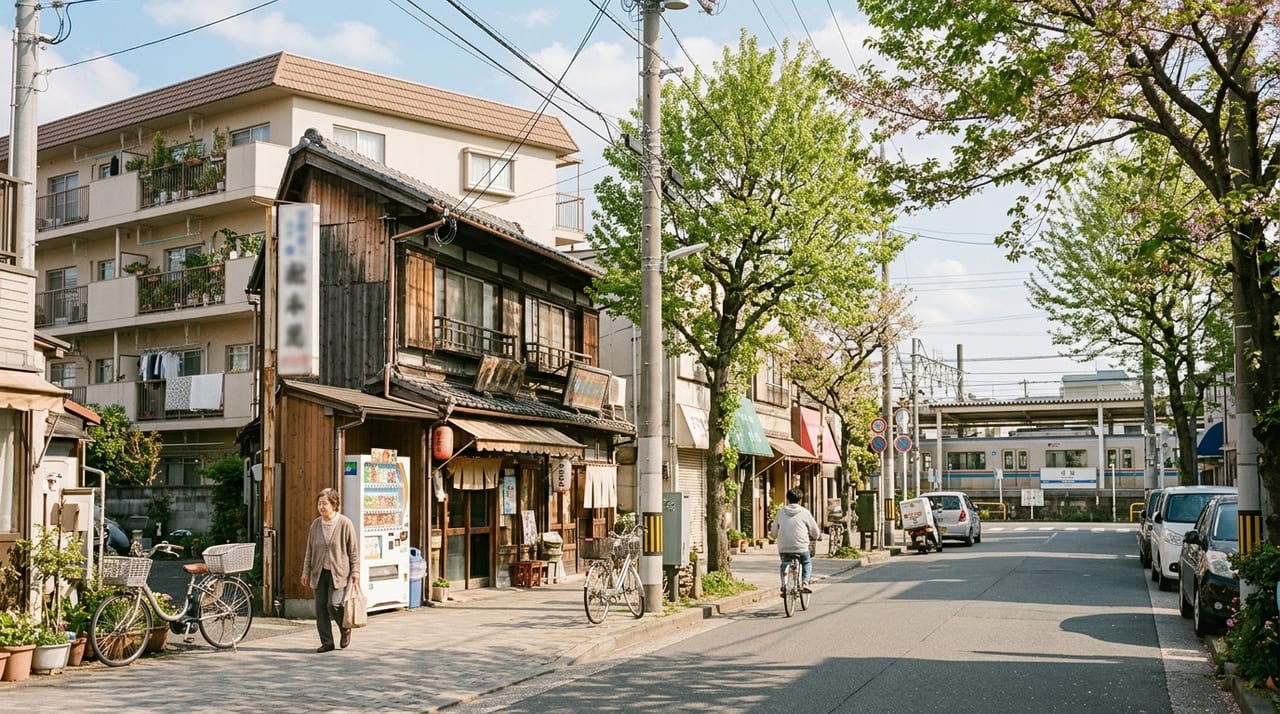
Cycling Is Deeply Rooted in Kyoto Culture Most of Kyoto is relatively flat (except northern foothills) with well-developed cycling infrastructure. Living in a bicycle-friendly neighborhood can reduce transportation costs to nearly zero. However, street parking is regulated, so always verify unit parking spaces.
1. Rent Varies Greatly by Neighborhood Even within Kyoto, Fushimi, Minami, and parts of Ukyo offer units ¥10,000–¥20,000 cheaper monthly than central areas. After checking commute/campus access, exploring slightly farther neighborhoods is worthwhile.
2. Prioritize Cycling Over Bus Passes Cycling replaces buses within a 3-kilometer radius. Used bicycles from local recycle shops cost ¥5,000–¥15,000, letting you slash transportation costs with minimal upfront investment.
3. Consider Older and Renovated Units Kyoto's market has many 30–40+ year-old units, many renovated. Well-renovated interiors offer comfort while saving ¥10,000–¥30,000 monthly versus new construction.
4. Use Student-Area Restaurants and Supermarkets Sakyo's Hyakumanben area and Demachi Masugata and Imadegawa have affordable student-oriented restaurants with satisfying ¥500–¥700 lunches. Supermarket chains like Fresco and Life are throughout the city, making groceries affordable.
5. Lower Utilities by Reviewing Contract Plans Kyoto's heavy winter power and gas use means switching to alternative suppliers can save thousands of yen yearly. Upon moving, review existing plans on comparison sites to optimize savings.
Solo living in Kyoto hinges on neighborhood choice and transportation strategy. Budget ¥120,000–¥140,000 monthly as a student, ¥150,000–¥200,000 as a working professional. For low rent, choose Fushimi or Minami; for convenience, consider Sakyo or Nakagyō along subway lines.
Understanding Kyoto's seasonal extremes and transit landscape, then budgeting for utilities and transportation, is your first step toward comfortable living. When apartment hunting, review not just rent but also maintenance fees, parking, and heating systems.
Related Areas
Single living in Sendai typically runs about ¥90,000–¥120,000 per month in fixed living costs, or around ¥150,000 including social activities and entertainment. This article provides a complete breakdown of Sendai's rental market, initial housing fees, the heating expenses (electricity and gas) that surge during Tohoku's harsh winters, and a detailed monthly expense breakdown using 2026 data.
床スラブ厚と上階の足音問題——賃貸で「ドン」という衝撃音が響く構造的な理由と物件選びのポイント
前橋・群馬の賃貸エリアガイド【2026年版】——主要エリア別家賃相場と住みやすさを徹底比較
Making the Most of Protruding Beams and Columns in Rental Apartments — Smart Furniture Placement Strategies
Mito & Ibaraki Rental Area Guide [2026] — Comprehensive Explanation of Rental Rates and Livability by Major Area
Uncovering Property Issues by Asking Previous Tenants About Their Departure—Questions to Ask During Viewings and How to Interpret Answers
