Rental properties that have been vacant for a long time are a sign that landlords are eager to find tenants. Learn how to identify vacancy periods and put them to use in practical rent and condition negotiations.
Reviewed by: Nobuyuki MoriPresident, M-Assets Co., Ltd. / Licensed Real Estate Transaction Specialist (Miyagi #018212)
The rental market has peak and off-seasons. The off-season is when vacancies increase and landlords are actively seeking tenants—the ideal time to succeed at rent negotiation and reducing upfront costs. This guide walks you through preparation and negotiation strategies from start to finish.
Property listing sheets distributed by real estate agencies contain detailed information not found on rental portals. Master how to read property listings and floor plans, and you'll develop the ability to judge a property's true merits and drawbacks before your showing.
Confirming the reasons previous tenants vacated is an effective way to identify potential problems before moving in. This guide explains how to ask real estate agents, how to interpret their answers, and what the property's true condition reveals.
The agency fee you pay when signing a rental lease has a legal maximum of "one month's rent plus consumption tax," but it can sometimes be reduced through negotiation. In this guide, a real estate rental specialist explains the legal framework behind agency fees, when and how to negotiate discounts, and how commission-free properties compare.
When searching for rental properties, you may notice that certain listings have been up for a while. While vacant properties are indeed vacant for a reason, they also signal an opportunity for negotiation. It's worth learning how to correctly leverage vacancy periods as a "bargaining tool."
There are several reasons why a property may remain empty.
Rent Set Above Market Rate: This is the most common reason. When a property is priced higher than comparable units in the area, prospective tenants may view it but hesitate to apply. As landlords delay lowering the rent, the vacancy period extends.
Outdated Fixtures and Specifications: Older buildings with dated fixtures may be difficult to rent out even at lower rates.
Unique Location or Condition Constraints: Properties with multiple undesirable features—such as a ground-floor unit, poor natural light, noise concerns, or no parking—move slowly.
Previous Tenant Issues: In rare cases, past tenant problems (accidents, disputes, etc.) may deter new applicants. When disclosure obligations apply, real estate agents are required to inform prospective tenants.
Understanding why a property has been vacant allows you to decide whether to accept the reason and proceed with negotiations or pass on the property.
Portal sites like SUUMO and at home typically display the "listing start date" and "information update date" for each property. If a property has been listed for several months, it's a sign of extended vacancy.
However, if a listing was removed and reposted, the date resets, so you may not be able to rely solely on the listing date.
During a viewing or inquiry, ask directly: "How long has this property been vacant?" Agents often have accurate information and will share it. Asking "When did the previous tenant move out?" is also an effective approach.
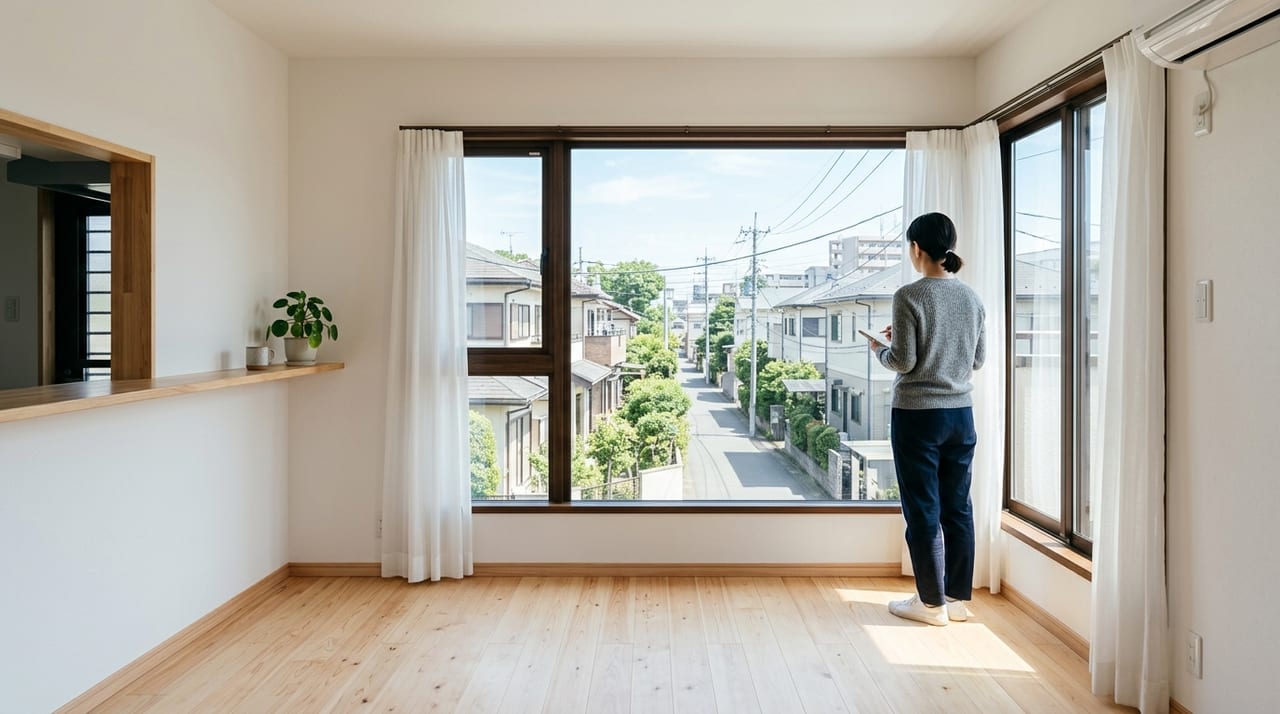
You can estimate vacancy periods by observing the property's condition during a viewing. Long-vacant properties often have stale air even with windows open, or odors from drains. If walls or flooring appear neglected, the property has likely been empty for some time.
When negotiating for long-vacant properties, it's important to recognize the landlord's pressure to find a tenant quickly and proceed with thoughtful negotiation.
After a viewing, express your interest in the property while introducing negotiation: "I'm seriously considering applying, but I'd like to discuss a few points first." Negotiate before submitting your application; it becomes much harder to change terms afterward.
By referencing the specific vacancy period—"I notice this property has been vacant for X months; would a rent adjustment be possible?"—you frame your request as market-informed rather than arbitrary.
Adding comparable market data—"similar properties in the area are listed at ¥X"—further strengthens your negotiating position.
For long-vacant properties, these negotiating points are often more favorable:
While long-vacant properties offer negotiating opportunities, they also require careful scrutiny.
Properties with a History: Properties with past incidents or accidents ("psychologically flawed" properties) are subject to disclosure requirements, and agents are obligated to inform you. However, after the disclosure period expires, agents may not mention this, so ask directly if concerned.
Aging Equipment: Some vacant properties haven't received maintenance or inspections during their vacancy. Always test water, hot water heaters, and air conditioning during your viewing.
High Restoration Charges: Poorly managed properties may see disputes over restoration-to-original-condition fees at move-out. Carefully review contract terms regarding restoration costs.
Vacancy periods both open doors for negotiation and signal the need for careful inspection. By securing favorable terms while accurately assessing the property's true condition, you can make a rental decision you'll be satisfied with.
不動産ネットワーク
投資物件・賃貸住宅・テナント・運営会社をつなぐ不動産4サイト連携。
Related Areas
床スラブ厚と上階の足音問題——賃貸で「ドン」という衝撃音が響く構造的な理由と物件選びのポイント
前橋・群馬の賃貸エリアガイド【2026年版】——主要エリア別家賃相場と住みやすさを徹底比較
Making the Most of Protruding Beams and Columns in Rental Apartments — Smart Furniture Placement Strategies
Mito & Ibaraki Rental Area Guide [2026] — Comprehensive Explanation of Rental Rates and Livability by Major Area
Uncovering Property Issues by Asking Previous Tenants About Their Departure—Questions to Ask During Viewings and How to Interpret Answers
