Rental properties are managed either by "property management companies" or through "self-management (owner management)." Since trouble response, repair speed, and contact procedures differ significantly, it's important to verify the management type before moving in.
Reviewed by: Nobuyuki MoriPresident, M-Assets Co., Ltd. / Licensed Real Estate Transaction Specialist (Miyagi #018212)
This guide explains how to effectively request repairs from your management company when water leaks, equipment failures, or roof leaks occur in your rental home. Learn what to communicate and how to communicate it, how to keep records, how to think about cost responsibility, and what to do if your management company is slow to respond—all explained in detail by rental property professionals.
Sublease properties involve a complex contract structure with three parties: the owner, management company, and tenant. This guide clarifies key issues that foreign renters should understand beforehand—from confusion about points of contact when problems arise, to unclear responsibility in move-out settlements, to risks if the management company fails—from an industry practice perspective.
Many areas in apartment buildings leave residents wondering: "Is this my responsibility or the landlord's?" This guide explains the practical rules for management responsibility and repair cost allocation for ambiguous areas like entry doors, windows, balconies, and pipes.
When searching for a rental property, are you aware of the difference between a "property management company" and a "landlord (owner)"? In fact, rental properties fall into two main categories: "properties managed by a company" and "self-managed properties," and there are important differences that directly affect your quality of life after moving in. This article provides a comprehensive explanation from a tenant's perspective by real estate professionals. As of 2026, with the digitalization of property management and the proliferation of 24-hour response services, choosing the right management type has become increasingly important.
A property where the owner (landlord) entrusts the management of the building and tenants to a professional "property management company (rental property manager)." Approximately 70-80% of Japan's rental market consists of this type.
Main responsibilities of a property management company:
A property where the owner directly handles all management tasks without using a property management company. This is commonly seen in apartment buildings or houses owned by individual landlords.
Company-Managed: Many management companies operate 24-hour call centers, so if issues like water leaks or key problems occur in the middle of the night, you're likely to receive a prompt response.
Self-Managed: Since you can only contact the landlord directly, responses may be delayed during late nights and weekends. This is especially concerning if the landlord is elderly, busy, or lives far away.
Company-Managed: There is a designated contact person or dedicated hotline with clear contact information. Staff changes and handovers are handled systematically.
Self-Managed: Since the landlord is your only point of contact, there may be times or situations when they are difficult to reach.
Company-Managed: Since the management company has contracts with partner contractors (plumbers, electricians, locksmiths, etc.), repair arrangements are smooth. The management company also handles cost negotiations and quality control.
Self-Managed: The landlord must find contractors independently, which can take time and may result in inconsistent quality among service providers.
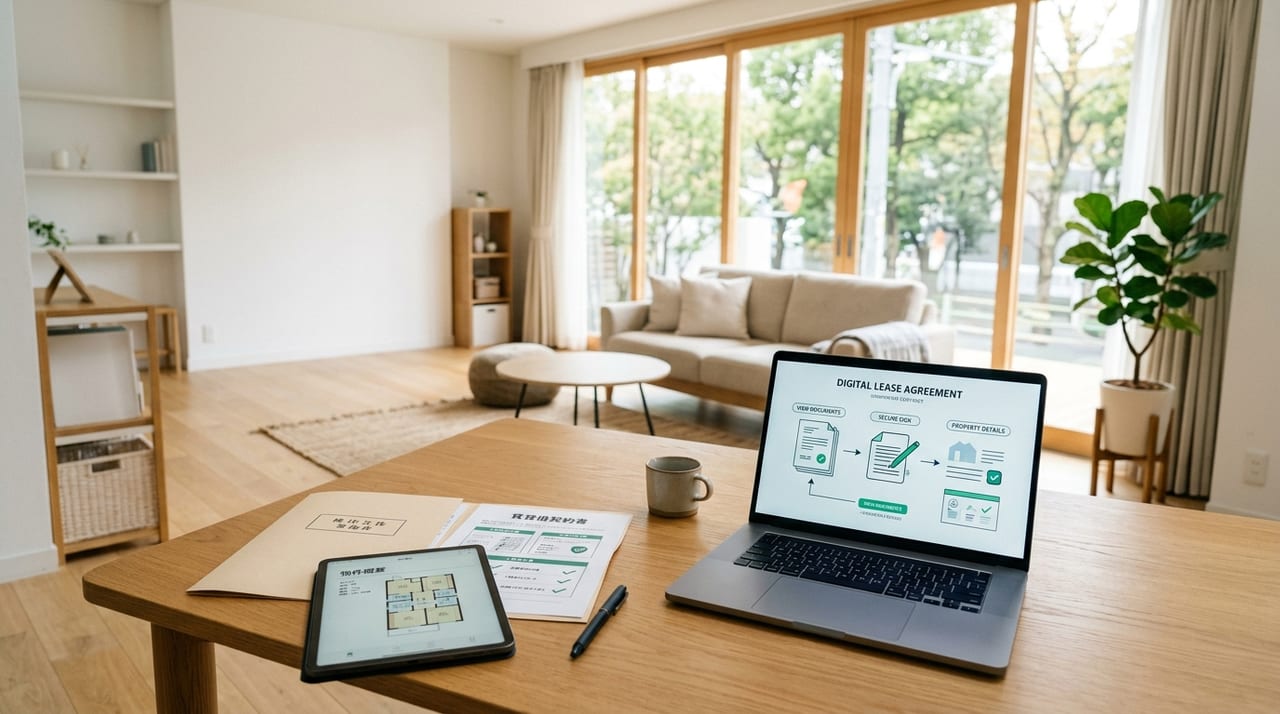
Company-Managed: Document preparation, screening, and lease renewals are systematized for smooth processing. An increasing number of management companies support electronic contracts and online property briefings, which have become the standard approach as of 2026.
Self-Managed: You negotiate and contract directly with the landlord, resulting in simpler paperwork, but there's a risk of using contracts that don't meet legal requirements.
Company-Managed: Since the management company functions as an intermediary, direct conflicts between landlord and tenant are less likely to occur.
Self-Managed: The landlord-tenant relationship is closer, which can offer flexibility but also risks privacy issues. Since some landlords visit frequently, it's important to clarify expectations in advance.
Company-Managed: Many management companies follow the Ministry of Land, Infrastructure, Transport and Tourism's "Restoration to Original Condition Guidelines," providing clear settlement details.
Self-Managed: The landlord's judgment heavily influences the settlement, and restoration costs may sometimes be unreasonably high. Always request written confirmation of the settlement.
On real estate websites (SUUMO, at home, etc.), the property details include a "Management" or "Management Company" field.
Asking your real estate agent the following questions will ensure clarity. For more on finding a trustworthy agent, see Complete Guide to Choosing a Real Estate Company and Agent.
While self-managed properties have drawbacks, they also offer these benefits:
When considering a self-managed property, it's important to assess the landlord's personality, responsiveness, and whether they live nearby during your viewing.
Don't assume a managed property is problem-free; management company quality varies:
While floor plan, rent, and location are typically the focus when choosing a rental property, management type is a critical factor that directly affects your quality of life after moving in. Repairs and emergency responses carry real consequences for daily living, so it's essential to verify this before committing.
Before viewing a property or submitting an application, always confirm "Who manages this property?" and choose a management type that suits your lifestyle. If the property is managed by a company, researching their reputation will give you extra peace of mind.
不動産ネットワーク
投資物件・賃貸住宅・テナント・運営会社をつなぐ不動産4サイト連携。
Learn how to find self-managed rental properties where you contract directly with landlords—bypassing brokers entirely—and understand the risks you should watch for during the contracting process.
床スラブ厚と上階の足音問題——賃貸で「ドン」という衝撃音が響く構造的な理由と物件選びのポイント
前橋・群馬の賃貸エリアガイド【2026年版】——主要エリア別家賃相場と住みやすさを徹底比較
Making the Most of Protruding Beams and Columns in Rental Apartments — Smart Furniture Placement Strategies
Mito & Ibaraki Rental Area Guide [2026] — Comprehensive Explanation of Rental Rates and Livability by Major Area
Uncovering Property Issues by Asking Previous Tenants About Their Departure—Questions to Ask During Viewings and How to Interpret Answers
