Restoration to Original Condition Guidelines 2026 Edition: What Tenants Should Know About Current Best Practices and How to Prevent Disputes
This article explains the Ministry of Land, Infrastructure, Transport and Tourism's guidelines on restoration to original condition and their current practical interpretation. We've compiled the essential knowledge to avoid unfair charges when moving out, along with preparations you should make before move-in day.
Many tenants still face the unpleasant surprise of hefty move-out charges when leaving a rental property. The key standard for preventing disputes over these costs is the "Restoration to Original Condition: Guidelines for Preventing Troubles" established by the Ministry of Land, Infrastructure, Transport and Tourism. Since its initial release in 2011, it has been revised multiple times and remains widely referenced as the benchmark for resolving rental disputes in 2026. This article clarifies what tenants should know based on the current best practices.
First, it's important to understand that the Ministry's restoration guidelines are not law but rather administrative guidance. While courts are not obliged to follow them strictly, in practice they serve as a crucial reference standard in resolving rental disputes—a common foundation that property managers, owners, and tenants all refer to.
The 2020 Civil Code revision (reform of the law on claims) established and amended provisions related to restoration to original condition (Article 621), clarifying that tenants are not responsible for restoration obligations for "wear and tear from normal use and aging." This provides legal backing to the fundamental principles laid out in the guidelines.
Core Principle of Restoration: Normal Wear and Tear Is Not the Tenant's Responsibility
The heart of the guidelines is this principle: wear and tear resulting from normal use and aging are the landlord's (owner's) responsibility.
Examples of Wear Not Covered by the Tenant (Landlord's Responsibility)
•Discoloration of tatami mats and wallpaper from sunlight
•Marks from refrigerators and furniture (dark spots and dents on walls)
•Electrical burn marks from TVs and air conditioners (marks on walls)
•Minor wear to wallpaper and flooring from normal use
•Holes from pushpins or nails (within normal range)
Examples of Wear the Tenant Must Cover
•Discoloration of all wallpaper due to tobacco stains and odors
•Damage or holes from intentional acts or negligence (dropping heavy objects, children damaging walls, etc.)
•Damage, urine or feces stains, and odors from pets
•Dirt from neglected cleaning (heavy water stains, mold, etc.)
•Lost keys
Current Practical Issues in 2026
While the guidelines' basic policy remains unchanged, several issues continue to be debated in practical applications since the 2020 Civil Code revision.
Validity of Special Provisions
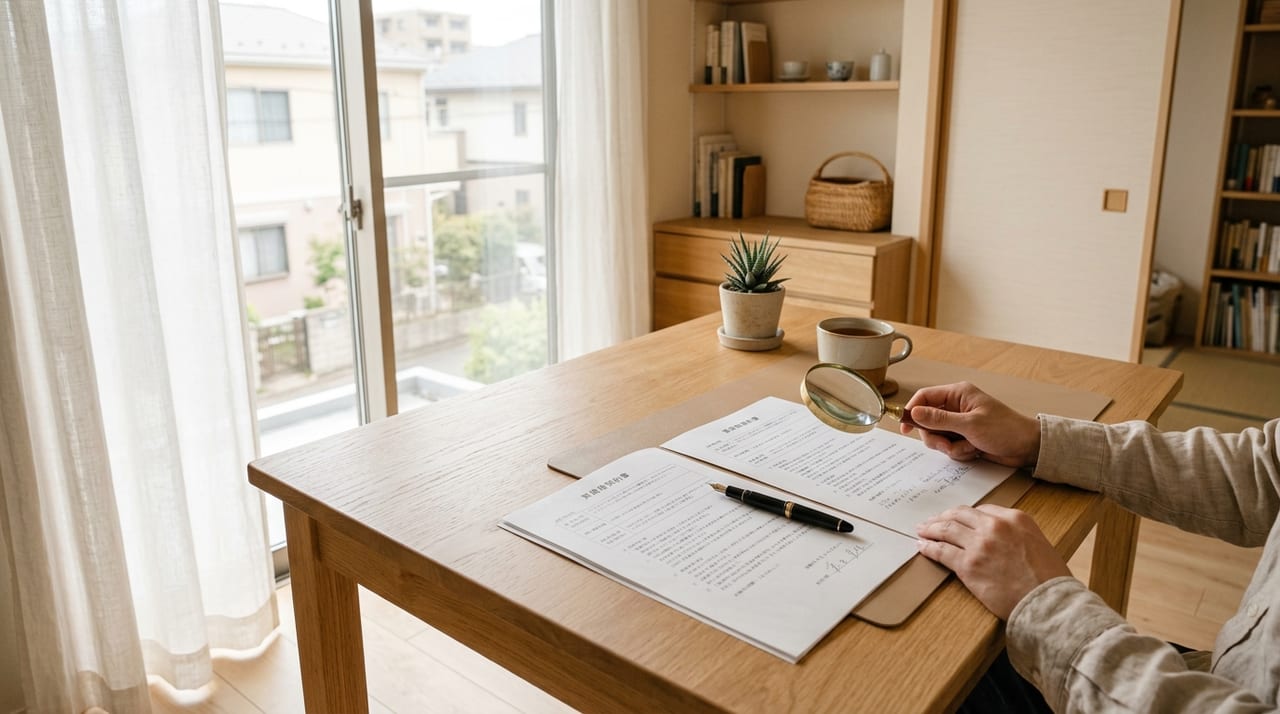
If a lease agreement includes special provisions such as "cleaning costs are the tenant's responsibility" or "tatami mat replacement is the tenant's responsibility," these can be valid. However, for them to be enforceable, two conditions must be met: (1) the tenant must understand the contents of the special provision, and (2) the tenant must understand and agree that it exceeds normal restoration obligations. Even if you signed without confirming the content, you may have grounds to challenge the provision if it contains elements that are legally invalid.
Consideration of Years of Use
Even when restoration costs are determined to be the tenant's responsibility, the value depreciation based on the useful life (six years for wallpaper, the building's useful life for flooring, etc.) is deducted. For example, if wallpaper requires complete replacement when you move out after six years of residence, the remaining value would be treated as minimal (one yen on the books) since the useful life has been exhausted, resulting in a substantial reduction of the actual cost.
Cleaning Costs
Special provisions making cleaning costs the tenant's responsibility are widely used in current practice. While court cases often uphold their validity, disputes can arise depending on how explicitly the provision is stated and how much it deviates from market rates. Check whether your lease specifies an exact amount (such as "cleaning costs of ¥X are the tenant's responsibility") or states "actual costs incurred" as an estimate.
Preventive Measures to Take Before You Move In
Most move-out disputes stem from failing to confirm and document the property's condition when you move in. Practice these preventive steps from the moment you take occupancy.
Photo Documentation and Written Confirmation at Move-In
On your move-in day (before bringing in your belongings), photograph and record video of every room, all walls, floors, ceilings, doors, windows, and bathrooms. Document any existing damage, stains, or broken items on a move-in checklist and have the property manager sign off on it, or share the record via email. This documentation becomes your proof of pre-existing wear and tear when you move out.
Regular Maintenance
Wear resulting from inadequate maintenance—such as mold on walls and window frames from condensation or water leaks from clogged drains—becomes the tenant's responsibility. If mold develops, report it to the property manager promptly and don't leave it to your own judgment.
Verification and Walkthrough Before Moving Out
When you move out, always request a walkthrough inspection with the property manager and ask for written documentation of all charges (such as "wear on X is charged as cleaning costs at ¥Y per the special provision"). If the invoice sent later differs from what you agreed to during the walkthrough, you can file an objection based on your walkthrough notes.
Where to Seek Help If You Receive an Unfair Charge
If you disagree with move-out charges, you can consult these resources:
•National Consumer Affairs Center / Local Consumer Affairs Centers: Local consumer centers offer consultations (Hotline 188 "Consumer Hotline")
•Real Estate Transactions Association consultation services in each prefecture
•Legal consultation with lawyers or licensed judicial scriveners: Small claims courts (disputes under ¥600,000) can be filed by individuals without legal representation
Conclusion
The fundamental principle of restoration is: normal wear and tear is the landlord's responsibility, while wear from tenant negligence or intentional acts is the tenant's responsibility. The 2020 Civil Code revision codified this principle, providing clearer legal backing.
Your best defense against move-out disputes is documentation at move-in. No matter how strongly you argue later, proving your case is difficult without records. Simply recording video of every room with your smartphone can dramatically reduce your risk of future problems. Understanding the guidelines' basics and preparing appropriately from move-in to move-out forms the foundation of knowledge you need to navigate rental living with confidence.