Rules for Rental Property DIY and Restoration Obligations | What's Allowed and What's Not
A professional explains what is and isn't allowed when customizing rental properties and the relationship with restoration obligations. This practical guide covers the permit process and alternative options to avoid prohibited modifications.
Basic Rules for Rental Property DIY: Restoration to Original Condition is the Absolute Standard
When considering DIY or customization in a rental property, the first thing to understand is "restoration obligation." This is the duty to return the property to its pre-occupancy condition upon move-out, with standards set by Civil Law Article 621 and the Ministry of Land, Infrastructure, Transport and Tourism's "Guidelines on Disputes and Restoration to Original Condition."
Ignoring this obligation and proceeding with DIY can result in repair charges at move-out, complete forfeiture of your security deposit, or even additional out-of-pocket costs. In particular, permanent modifications to walls or floors can rack up restoration costs in the tens of thousands of yen.
However, "having a restoration obligation does not mean all DIY is prohibited." If the DIY can be reversed upon move-out, it is practically acceptable in most properties. The judgment criteria are simple: "Can it be reversed?" and "Does it damage the building?" More importantly, "advance confirmation with the building management company" is critical—this one step prevents most disputes.
Examples of Allowed DIY and Customization for Rental Properties
Wall decoration without holes
The modern availability of "pushpins with barely visible holes" and "removable adhesive strips (such as Command strips)" makes it possible to decorate walls with photos and posters. The tiny holes from fine pins are generally considered within normal wear and tear, and are often judged as ordinary use. However, concentrating many holes in one area becomes noticeable, so keep usage to a minimum.
Removable wallpaper and decorative sheets
"Stick-and-peel" wallpaper sold at home improvement stores and 100-yen shops can be considered reversible restoration if you choose products that peel away without residue. However, if left on for extended periods, the adhesive can bond to the wall surface. A replacement cycle of 1–2 years is recommended. Always test the peel-off result in an inconspicuous spot before full application.
Tension rod and door frame shelving storage
Rental DIY shelving using systems like "Diawall" or "Labrico"—products that tension between floor and ceiling without drilling holes—are standard in rental customization. When installing, use dedicated rubber pads to prevent ceiling damage, and avoid loading beyond weight capacity. Sanding the cut edges of wood improves the finished appearance.
Flooring protection
Tile carpet, anti-scratch mats, and cork mats used for moving furniture or preventing floor damage are unproblematic. "Stick-down" modular floor tiles laid directly on top of flooring are also popular as reversible rental DIY. Complete removal at move-out restores the original state.
Light fixture replacement
Temporarily removing an existing ceiling light and replacing it with a preferred fixture is generally acceptable. However, keep the original fixture in good condition and replace it before move-out. If the existing ceiling lacks a hookup for pendant lights, do not perform unauthorized electrical work.
Examples of Prohibited DIY and Customization for Rental Properties
Large holes in walls, ceilings, or floors
Holes for air conditioner installation or screw holes to fix shelves (as a rough guide, 2mm diameter or 10mm depth or deeper) incur repair costs. Air conditioner addition always requires prior written approval from the building management. Installation without permission will result in charges for both removal and wall patching.
Unauthorized wallpaper replacement
If you remove existing wallpaper and replace it with new, you are obligated to restore the original wallpaper upon move-out. If the original wallpaper is discontinued, the entire replacement cost may fall on you. Never do this without written management approval.
Unauthorized floor or tatami replacement
Modifications such as laying different flooring over existing floorboards or replacing tatami with hardwood result in high restoration costs. However, modular flooring tiles applied without adhesive—like stick-down types—are permissible.
Structural alterations
Never undertake unauthorized removal of partition walls or conversion of closets into storage units. Such modifications may affect building earthquake resistance or fire rating and can only be performed with written management approval and explicit terms in your lease governing post-move-out procedures.
Gas, electric, and plumbing work
Work on gas stoves, electrical circuits, water pipes, and similar systems requires licensed professionals (electrician, gas contractor, etc.). Unlicensed work violates law and exposes you to legal liability.
Negotiation Strategies for Getting DIY Approval
Even modifications normally prohibited can sometimes be approved through prior negotiation with management. Key points for successful negotiation:
Submit a written application: Rather than requesting verbally, prepare a document detailing the modification, materials, construction method, and move-out plan. Giving management confidence that you will avoid future trouble is essential.
Clarify move-out cost responsibility: Offer clear options such as "restore to original condition at my cost" or "hand over as-is with costs borne by tenant."
Present a contractor: Pre-identify a licensed or trusted contractor and mention the business name—approval is more likely.
Record approval in the lease amendment: If approved, have the details recorded in an addendum to the rental agreement. Verbal approval alone can lead to disputes at move-out ("we never agreed to that").
In recent years, "DIY-type rental leases" have become more common. The Ministry of Land, Infrastructure, Transport and Tourism has published guidelines allowing tenant customization and significantly reducing restoration obligations. Choosing a DIY-friendly property during the initial search is also a valid option.
Document-Keeping Habits to Prevent Move-Out Disputes
If you undertake DIY, maintaining detailed records is key to preventing disputes:
•Before and after photos (with date stamps, multiple angles)
•Materials and product records (product name and lot number for removable wallpaper, etc.)
•Management application documents and reply emails or correspondence
•Receipts for construction costs (can be useful during move-out negotiations)
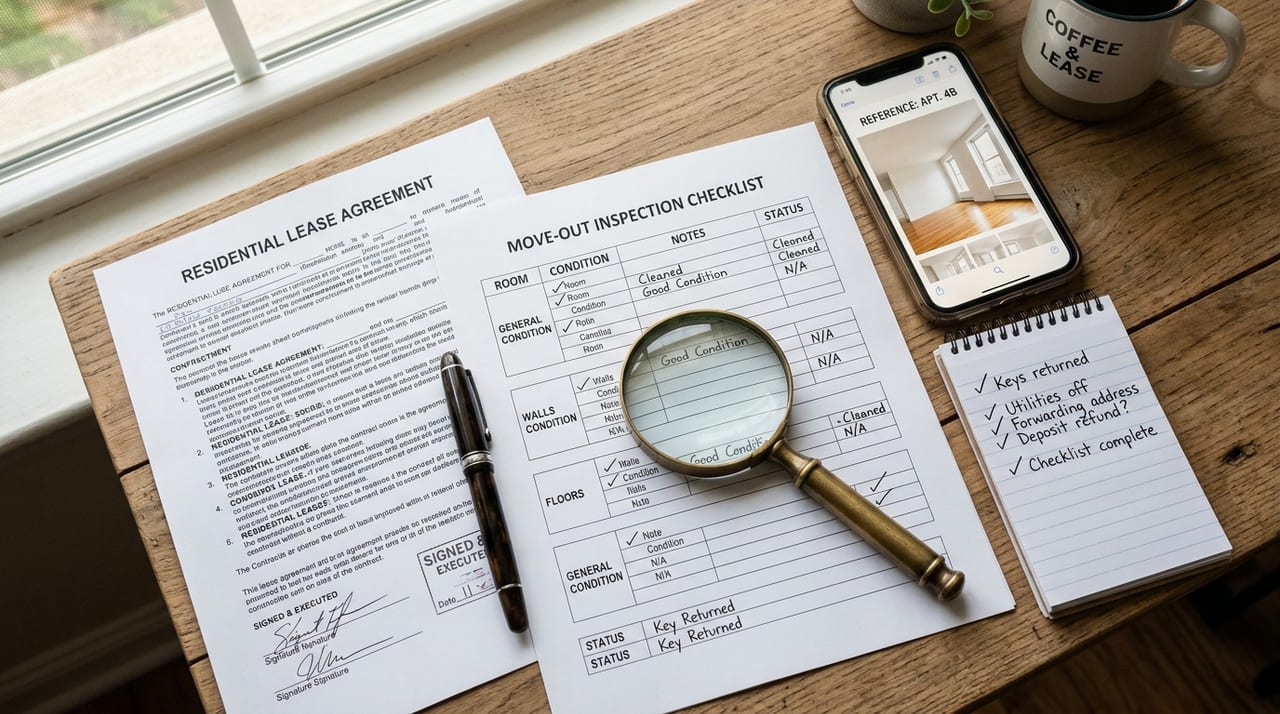
Keep your move-in property condition checklist and clearly document pre-existing damage or stains. Being able to distinguish between "pre-existing damage" and "post-occupancy damage" is your strongest defense against unwarranted repair charges.
Even in rental properties, following rules and proper procedures allows you to create your own comfortable living space. The key to enjoying long-term, safe rental DIY living is maintaining the mindset of "enjoying within reversible limits."
DIY-Friendly Modifications in Rental Apartments—Landlord Permission Process and Restoration Tips to Avoid Problems
Want to DIY your rental apartment but worried about restoration obligations? This guide explains the exact boundaries of what you can and can't modify, the proper permission process with your landlord or management company, and smart remodeling techniques to avoid move-out disputes.