A comprehensive guide to balcony and veranda rules for rental properties. Real estate experts explain the legal grounds behind prohibited activities (smoking, clotheslines, DIY modifications), whether gardening and bicycle storage are permitted, strategies to prevent neighborhood disputes, and how to handle restoration costs before move-out.
Reviewed by: Nobuyuki MoriPresident, M-Assets Co., Ltd. / Licensed Real Estate Transaction Specialist (Miyagi #018212)
A comprehensive guide covering everything from rule-checking to practical techniques for enjoying gardening and home vegetable growing on rental balconies. Learn how to prevent drainage clogs and restoration-to-original-condition risks while growing seasonal plants and vegetables.
Balconies and verandas in rental properties are common areas with restrictions on usage despite having exclusive use rights. Experts explain prohibited activities such as smoking and plant storage, as well as restoration to original condition obligations.
Explains the basics of garbage disposal rules and sorting in rental apartments, proper use of common areas (corridors, entrances, bicycle parking areas), and etiquette to prevent trouble. Also introduces how to contact the property management company or management association, common trouble cases, and how to handle them.
A practical guide to enjoying houseplants and gardening in rental properties. Learn how to select plants for indoor spaces, prevent damage to floors and walls, understand balcony gardening rules, and handle restoration to original condition to avoid issues when moving out.
Legally, rental apartment balconies and verandas are classified as "common areas" of the building. Unlike exclusive-use areas (the interior of your unit), they are managed as property of the entire building, and residents have only "exclusive-use rights"—meaning you cannot freely modify or use them as you wish.
Misunderstanding this can result in being charged for restoration to original condition upon move-out or disputes with other residents.
Balcony usage rules are outlined in your lease agreement's "special conditions" or "usage guidelines." Be sure to confirm the following points before moving in.
Key Points to Check
In the event of fire or other emergencies, balconies serve as escape routes to neighboring units. The Building Standards Act and Fire Service Act prohibit blocking these escape routes.
Specifically, the following actions are prohibited:
This is not merely a lease violation but a legal obligation. Blocking escape routes during a fire can result in serious legal liability.
Falling objects from balconies can cause personal injury and property damage.
If falling objects injure or damage others' property, you may be held liable for damages under the Civil Code (Article 709).
Balconies have drainage channels connected to the building's main drainage system. If soil, sand, or plant leaves clog the drain, water leakage to lower floors can occur.
If drainage clogs cause leaks, the tenant may be held financially responsible for repairs.
In many rental properties, minor gardening is tolerated, but extensive soil cultivation may be prohibited.
Generally Permitted
Requires Prior Confirmation
Rental agreements often have rules about how to install clotheslines.
Some luxury apartments prohibit outdoor laundry drying entirely, so confirmation before signing your lease is important.
Storing bicycles or motorcycles on balconies is prohibited in most building rules. Reasons include floor damage from weight, oil stains, and visual impact.
Starting a motorcycle engine on a balcony poses serious risks of gas and carbon monoxide poisoning and must never be done.
Some "smoke-free unit" properties allow balcony smoking, while others enforce building-wide smoking bans that include balconies.
If balcony smoking causes complaints from neighbors, courts have recognized liability for passive smoking exposure. If you smoke, obtain written confirmation from the management company before moving in.
Here are common scenarios where you may be charged for balcony restoration upon move-out.
Tenant Liability
Landlord Liability
According to Japan's Ministry of Land, Infrastructure, Transport and Tourism guidelines, tenants bear the cost of damage caused by negligence or intentional acts, which applies to balconies as well.
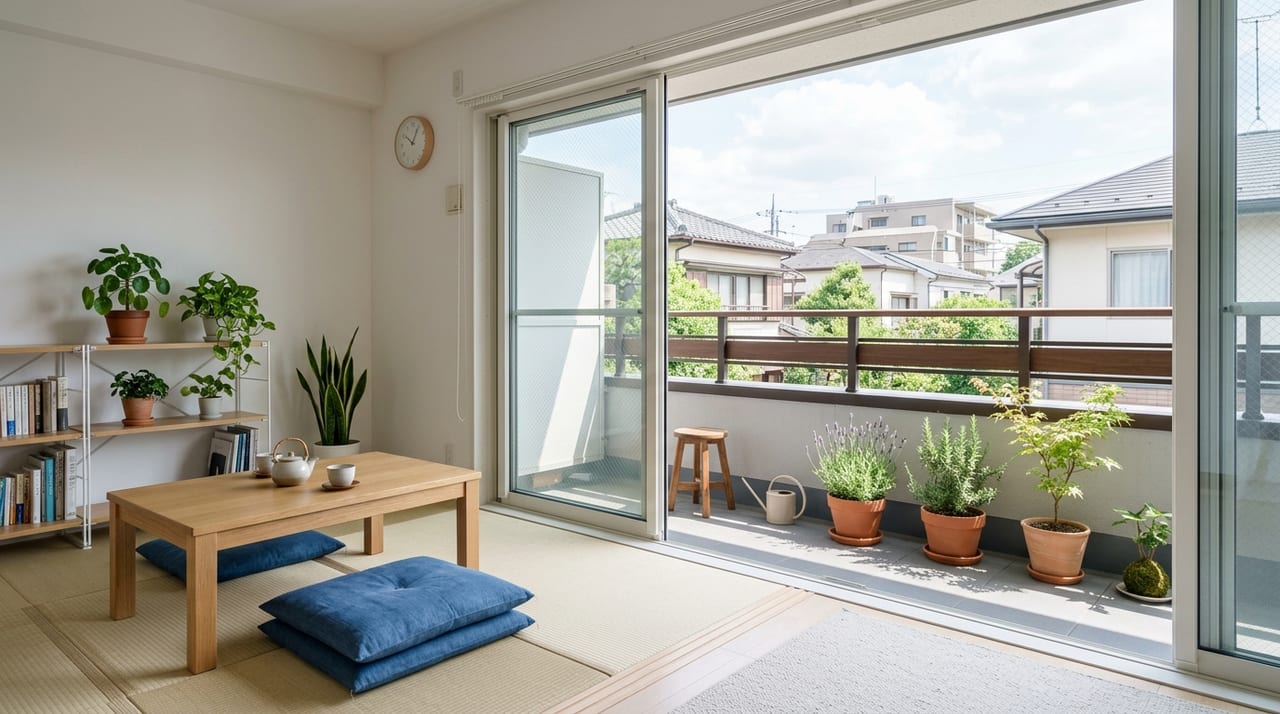
Here are ways to enjoy your balcony comfortably while following the rules.
Space-Saving Ideas
Choosing Planters
Your balcony is a valuable space that enhances your rental living experience. Understand the rules and use it safely and comfortably.
不動産ネットワーク
投資物件・賃貸住宅・テナント・運営会社をつなぐ不動産4サイト連携。
床スラブ厚と上階の足音問題——賃貸で「ドン」という衝撃音が響く構造的な理由と物件選びのポイント
前橋・群馬の賃貸エリアガイド【2026年版】——主要エリア別家賃相場と住みやすさを徹底比較
Making the Most of Protruding Beams and Columns in Rental Apartments — Smart Furniture Placement Strategies
Mito & Ibaraki Rental Area Guide [2026] — Comprehensive Explanation of Rental Rates and Livability by Major Area
Uncovering Property Issues by Asking Previous Tenants About Their Departure—Questions to Ask During Viewings and How to Interpret Answers
