Skip to content
SUMUIEスムイエ
PropertiesMoving GuideQuiz
Articles
ColumnsContracts & ProceduresMoving InDaily LifeArea & EnvironmentCosts & FinancesSafety & Disaster Prevention
AboutContact Us
JAEN
SUMUIEスムイエ

Search and compare rental properties across Japan.

Navigation

  • Home
  • Properties
  • Moving Guide
  • Move-in cost calculator
  • About
  • Articles
  • Contact Us
  • FAQ

Member menu

  • My page
  • Member sign-up (free)

Company menu

  • List your properties
  • Company admin
  • Company sign-up (free)

Articles

  • Contracts & Procedures
  • Moving In
  • Daily Life
  • Area & Environment
  • Costs & Finances
  • Safety & Disaster Prevention

About us

  • Company
  • Privacy policy
  • Terms of use

Search by area

HokkaidoTohokuKantoChubuKansaiChugokuShikokuKyushu & Okinawa

Popular prefectures

TokyoKanagawaOsakaAichiFukuokaHokkaidoMiyagiHyogoView all areas →

Sister sites

Shueki JPInvestment properties & yield insightsSenkyakuCommercial & retail tenant brokerage

© 2026 SUMUIE. All rights reserved.

HomePropertiesFavoritesContact Us
  1. Home
  2. Columns
  3. Moving In
  4. Complete Guide to 1K, 1DK, and 1LDK Differences: How to Choose Your Layout and Best Layouts by Lifestyle
Moving In

Complete Guide to 1K, 1DK, and 1LDK Differences: How to Choose Your Layout and Best Layouts by Lifestyle

2026-04-26

A clear explanation of the differences between 1K, 1DK, and 1LDK layouts—apartment types you'll always encounter when searching for rental properties. This guide covers room configuration, size standards, rental price ranges, and detailed recommendations for foreign nationals and those living alone.
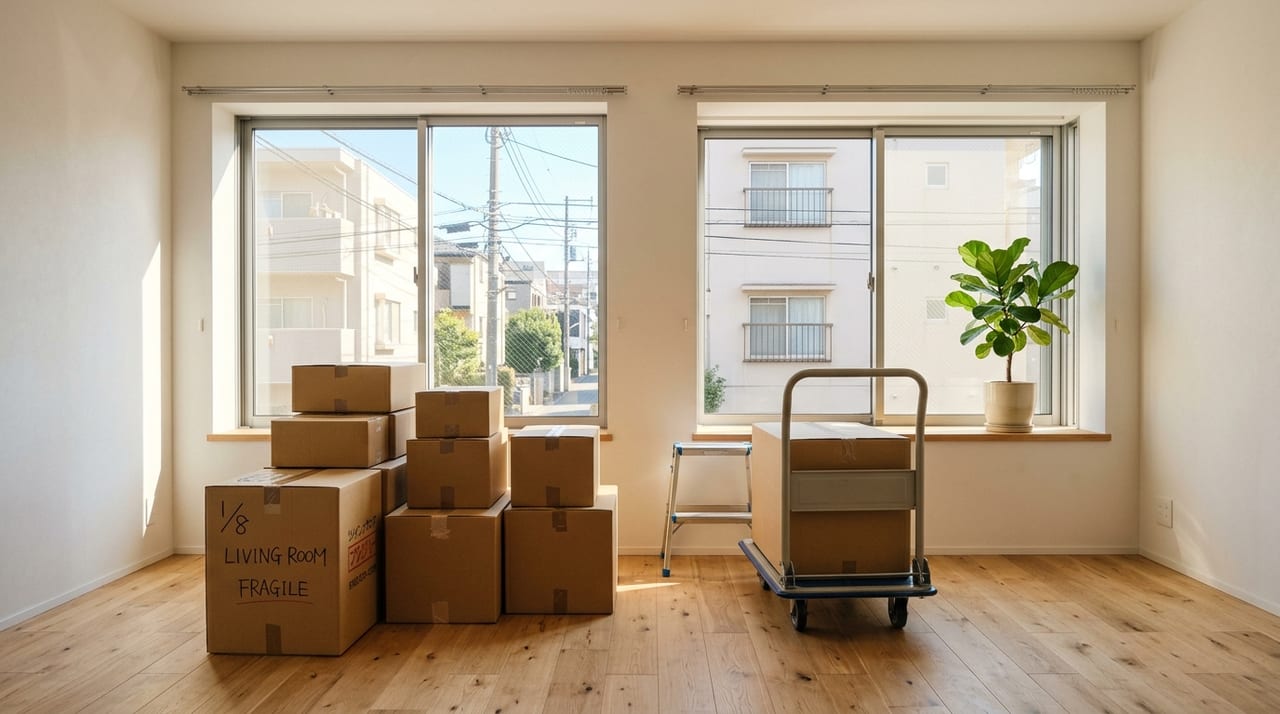
Complete Guide to 1K, 1DK, and 1LDK Differences: How to Choose Your Layout and Best Layouts by Lifestyle
#1K#1 DK#1 LDK#Floor Plan#Rental Selection Guide
森

Reviewed by: Nobuyuki MoriPresident, M-Assets Co., Ltd. / Licensed Real Estate Transaction Specialist (Miyagi #018212)

Table of contents

  1. 01What Do 1K, 1DK, and 1LDK Mean?
  2. 02Size Guidelines
  3. 03Rental Price Comparison (2026)
  4. 04Recommended Layouts by Lifestyle
  5. 05Living Alone & Busy with Work
  6. 06Cooking Often & Entertaining Friends
  7. 07Working from Home / Telecommuting Frequently
  8. 08Foreign Nationals & Short-Term Stays Upon Arrival
  9. 09Important Notes on 1K: Usability Varies Greatly by Specifications
Related

Other columns

Complete Comparison of 1K, 1DK, 1LDK, and 2DK: Pros, Cons, and How to Choose by Layout

Clear explanation of the differences between "1K," "1DK," "1LDK," and "2DK," commonly seen in rental listings. Complete comparison of four floor plans by area, average rent, and best-suited household types.

The Difference Between Studio, 1K, 1DK, and 1LDK — A Comprehensive Comparison of Room Layouts and How to Choose

When apartment hunting in Japan, you'll frequently encounter terms like "studio," "1K," and "1LDK." This guide explains the key differences and how to choose the right layout based on your lifestyle.

Understanding 1K, 1DK, and 1LDK: Choosing the Right Layout for Your Lifestyle—Optimal Layouts for Single Occupants, Couples, and Remote Workers

A practical guide where real estate experts clarify the legal definitions and practical differences of Japan's most common rental layouts—1K, 1DK, and 1LDK—and recommend the ideal floor plan for foreign renters' typical lifestyles, including single expatriates, international couples, remote workers, and short-term assignees.

1K vs 1DK vs 1LDK: A Comparison Guide | How to Read Floor Plans and Convert Between Tatami and Square Meters

Compare 1K, 1DK, and 1LDK apartment types at a glance. Learn what K/D/L/S symbols mean, how to convert between tatami and square meters, and how to choose the right floor plan for your lifestyle—whether you're single, a couple, or working from home in a Japanese rental.

Back to columns
  • 10Common Questions from Foreign Residents
  • What Do 1K, 1DK, and 1LDK Mean?

    Japanese rental property layout notation uses unique symbols.

    Basic Symbols:

    • •K (Kitchen): Cooking space. Labeled as K when under 4.5 tatami mats
    • •D (Dining): Dining/eating space (space for a table)
    • •L (Living): Living room (space for a sofa and TV, a relaxation area)

    Specific Layout Types:

    1K (One-K): One bedroom plus a kitchen. The kitchen is less than 4.5 tatami mats. Usually there's a sliding door or wall separating the bedroom from the kitchen.

    1DK (One-DK): One bedroom plus a dining kitchen (4.5 to less than 8 tatami mats). The dining and kitchen areas are combined into one space. Usually the bedroom and DK are connected.

    1LDK (One-LDK): One bedroom plus a living-dining kitchen (8 tatami mats or larger). The structure consists of one bedroom plus a spacious combined living, dining, and kitchen area.

    Size Guidelines

    1K: Total floor area 20–30 m² (bedroom 6–8 tatami mats + kitchen 2–3 tatami mats) 1DK: Total floor area 25–40 m² (bedroom 6–8 tatami mats + dining kitchen 4.5–8 tatami mats) 1LDK: Total floor area 30–50 m² (bedroom 6–8 tatami mats + living-dining kitchen 8–14 tatami mats)

    Rental Price Comparison (2026)

    Approximate price ranges for the same area and nearby stations:

    Tokyo's 23 Special Wards (within 10-minute walk, built 15 years or less):

    • •1K: ¥60,000–100,000
    • •1DK: ¥80,000–120,000
    • •1LDK: ¥100,000–160,000

    Sendai City:

    • •1K: ¥40,000–60,000
    • •1DK: ¥50,000–75,000
    • •1LDK: ¥65,000–100,000

    Nagoya City:

    • •1K: ¥45,000–70,000
    • •1DK: ¥60,000–90,000
    • •1LDK: ¥70,000–120,000

    Recommended Layouts by Lifestyle

    Living Alone & Busy with Work

    Recommended: 1K

    Compact and easy to clean, most affordable rent, perfect for single assignments and short-term stays. Because the kitchen is separated from the bedroom, cooking smells don't easily spread to your sleeping area.

    Ideal if you eat out or grab convenience store meals most of the time, or if you have minimal belongings.

    Cooking Often & Entertaining Friends

    Recommended: 1DK to 1LDK

    Having a dining space (room for a dining table) significantly improves your quality of life. In a 1K, you often eat on your bed or at your desk, but a 1DK gives you a dedicated dining area.

    Working from Home / Telecommuting Frequently

    Recommended: 1LDK

    The spacious LDK (living-dining area) lets you separate your work space from your living space. It's also easier to keep the background neat when you're on video calls.

    Foreign Nationals & Short-Term Stays Upon Arrival

    Recommended: Furnished 1K with appliances or a shared house

    Right after arriving in Japan, a furnished 1K with appliances (around ¥100,000–150,000 per month in Tokyo) or a shared house offers great value, helping you avoid the upfront cost of furniture and appliances.

    Important Notes on 1K: Usability Varies Greatly by Specifications

    Even among 1K layouts, actual comfort varies significantly depending on total floor area, kitchen location, ceiling height, and storage space.

    Points to Check:

    • •Room shape (closer to square makes furniture arrangement easier)
    • •Separation between kitchen and bedroom (sliding door, door, or wall)
    • •Storage space (closet and storage depth and height)
    • •Separate bath and toilet or combined unit bath (1Ks often have unit baths; separate facilities are more comfortable)

    Common Questions from Foreign Residents

    When asked "What is LDK?": "LDK means Living, Dining, and Kitchen space combined. It's an open floor plan area that serves as your living room, dining room, and kitchen all in one large space."

    What is "tatami count" (tatami mat size)? One tatami mat equals approximately 1.62 m². A 6-tatami room is roughly 9.7 m², and an 8-tatami room is roughly 12.9 m². However, the size of one tatami mat varies slightly depending on the standard used (Edo, Kyoto, or meter module).

    Related Columns

    • 収益JP

      不動産投資家のためのAIツール

      投資判断を支援するAI活用

    • 収益JP

      2026年金利戦略

      不動産投資家向けの金利動向と戦略

    • 収益JP

      仙台不動産市場の2026年課題

      仙台エリアの投資マーケット分析

    不動産ネットワーク

    投資物件・賃貸住宅・テナント・運営会社をつなぐ不動産4サイト連携。

    収益JP

    収益物件・不動産投資情報

    千客テナント

    テナント・店舗仲介

    M-Assets

    仙台の不動産賃貸・管理

    Categories

    • Contracts & Procedures215
    • Moving In129
    • Daily Life288
    • Area & Environment111
    • Costs & Finances118
    • Safety & Disaster Prevention72

    Popular tags

    #Move-out Restoration85#Property Selection70#Solo Living67#Average Rent

    Complete Guide to Renting a Detached House—Key Differences from Apartments and Condominiums, and Who They Suit Best

    Rental detached houses are an often-overlooked option in Japan's rental market. Experts explain the decisive differences from apartments and condominiums, typical rental costs, screening considerations, and which tenants are the best fit.

    How to Spot a Quality Renovated Rental—Key Checkpoints for Comfortable Living in Older Buildings

    Discover the appeal and pitfalls of renovated rentals. Learn what to check during a viewing, how they differ from new construction, and what criteria to use when choosing.

    Sister sites

    Shueki JP

    Investment properties & yield insights

    Senkyaku

    Commercial & retail tenant brokerage

    62
    #Foreigners60
    #Rental Contracts59
    #Initial Costs51
    #Property Viewing50
    #Rentals47
    #Guarantor Company36
    #Area Selection36
    #Tenant Screening36
    #Cost Savings32
    #Moving31
    #Property Management31
    #Move-Out Costs30

    Columns

    • 床スラブ厚と上階の足音問題——賃貸で「ドン」という衝撃音が響く構造的な理由と物件選びのポイント

    • 前橋・群馬の賃貸エリアガイド【2026年版】——主要エリア別家賃相場と住みやすさを徹底比較

    • Making the Most of Protruding Beams and Columns in Rental Apartments — Smart Furniture Placement Strategies

    • Mito & Ibaraki Rental Area Guide [2026] — Comprehensive Explanation of Rental Rates and Livability by Major Area

    • Uncovering Property Issues by Asking Previous Tenants About Their Departure—Questions to Ask During Viewings and How to Interpret Answers

    Next article

    Complete Guide to Furniture Layout in Studio and One-Room Apartments: Room-by-Room Arrangement Tips (6, 8, and 10 Tatami) →

    Previous article

    ← Propane Gas Rental Risks: Price Differences with City Gas and How to Negotiate Lower Rates