Helpful information for your apartment search and daily life
793–804 of 967
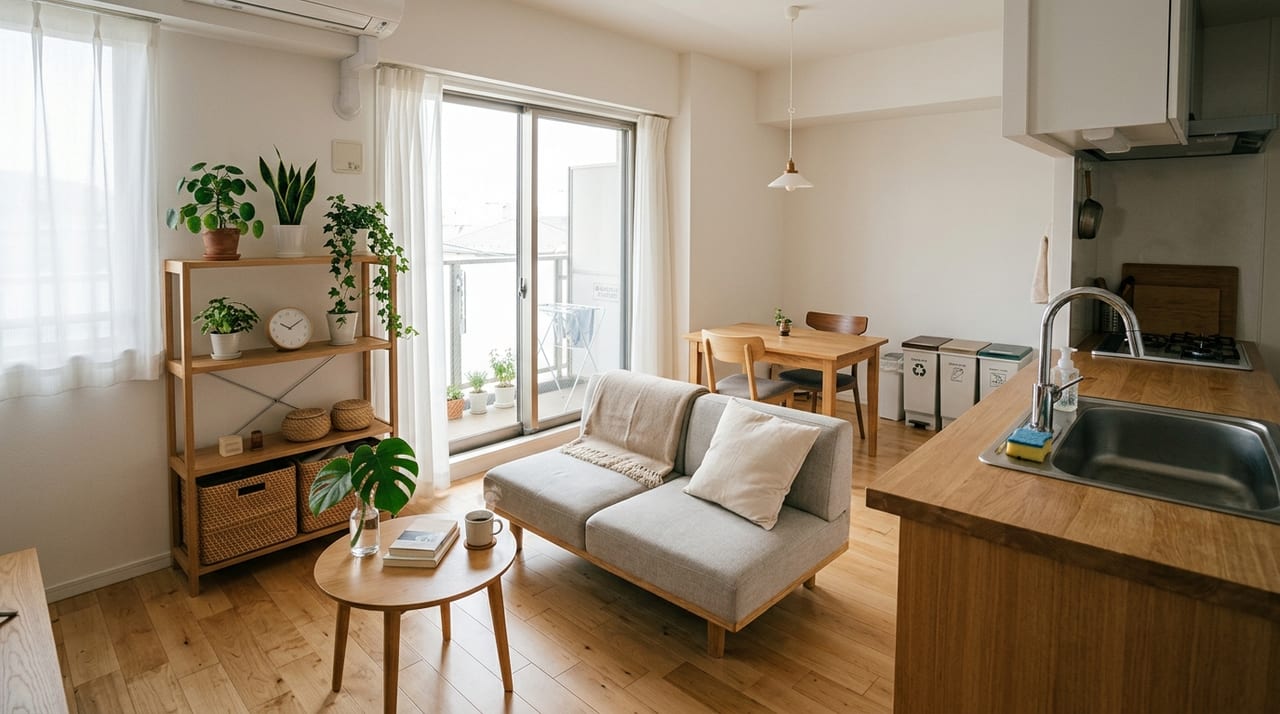
Common areas such as hallways, elevators, trash collection areas, and bike parking are spaces used by all residents. A real estate rental professional explains common issues and essential etiquette rules.
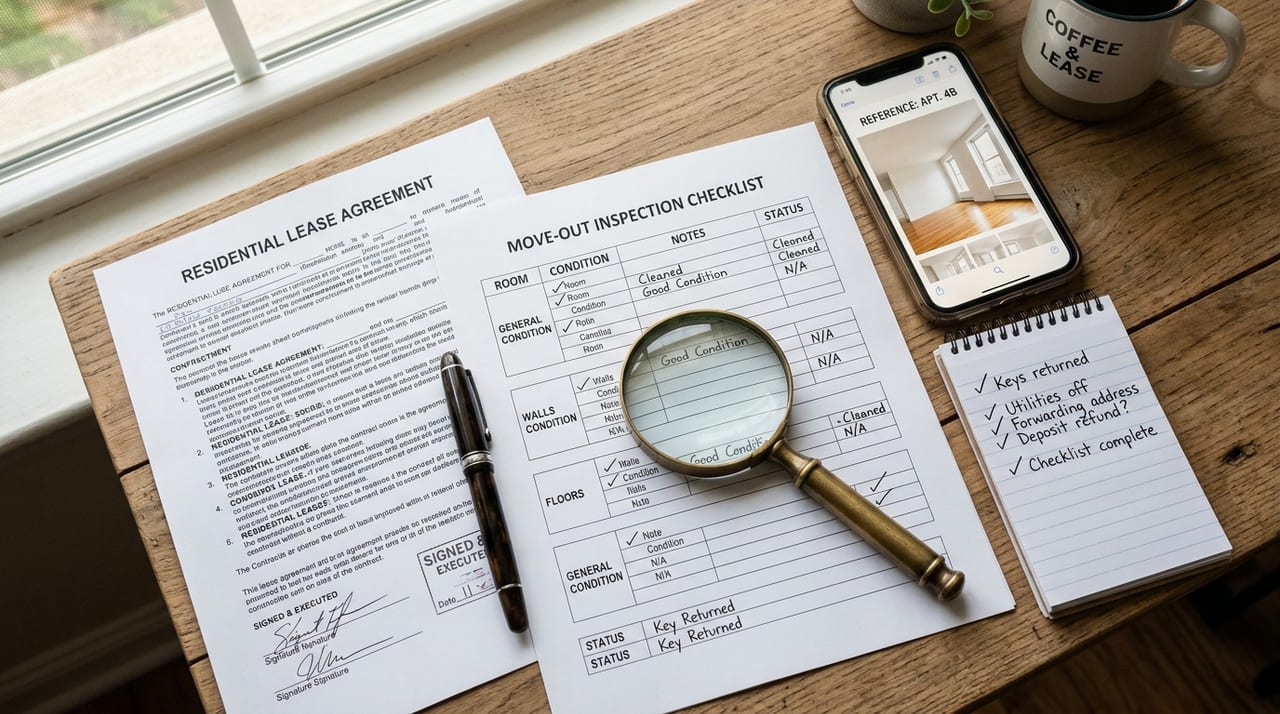
A professional explains what is and isn't allowed when customizing rental properties and the relationship with restoration obligations. This practical guide covers the permit process and alternative options to avoid prohibited modifications.
We explain how to handle pest infestations in rental properties and who bears the cost. A rental property specialist covers everything from where to report, who pays for extermination, to preventive measures.
Balconies and verandas in rental properties are common areas with restrictions on usage despite having exclusive use rights. Experts explain prohibited activities such as smoking and plant storage, as well as restoration to original condition obligations.
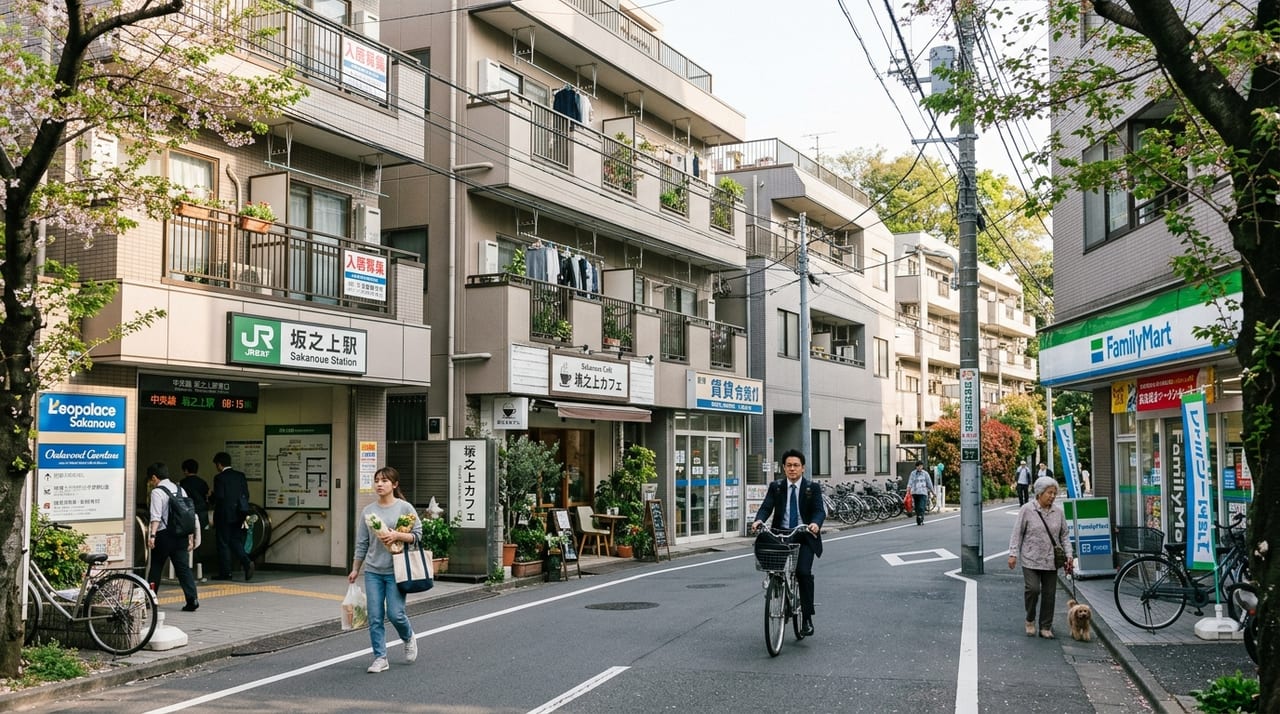
What's the rent difference between a "10-minute walk to the station" property and a "5-minute walk" property? Based on real estate industry standards and actual data from different cities, we explain how to choose a rental property by balancing station distance and rent without regrets.

Prohibited clauses in rental contracts are not mere precautions but legally binding terms. Violations can result in contract termination or liability for damages. This article explains the meaning and scope of prohibitions, violation risks, and methods for requesting exceptions.
Although rental agency fees have legal limits under the Real Estate Brokerage Act, it is customary for tenants to bear the full cost. Through a precise understanding of the law, utilizing half-price or free-fee services, and timing negotiations strategically, it is possible to save tens of thousands of yen on initial costs.
Pre-move-in item delivery is generally not permitted. However, it may be allowed with approval from the management company. This article explains the risks of unauthorized delivery (contract violation, gap in fire insurance), negotiation tips, when you can collect your keys, and the 30-minute move-in day room inspection and equipment check.
Unattended deaths in rental housing are a risk that both landlords and tenants cannot ignore. Experts explain practical measures covering everything from handling leftover belongings and restoration costs, disclosure requirements for affected properties, insurance options, and welfare check services.
Most security deposit troubles at move-out can be prevented through proper knowledge and advance planning. Understanding the tenant and landlord responsibility breakdown according to Ministry of Land, Infrastructure, Transport and Tourism guidelines, and taking appropriate action from move-in through move-out, is the key to recovering your security deposit.
Noise disputes in rental housing are a major source of stress for tenants. This guide from rental professionals explains noise types and causes, along with practical DIY soundproofing measures you can implement, how to consult with your property management company, and restoration obligations at move-out.
![How Much Does It Cost to Live Alone in Fukuoka? Rent Prices, Living Expenses & Initial Costs [2026 Edition]](https://img.sumuie.jp/column-images/medical-hospital-access-rental-guide/hero-1777711467380.jpg)
Living alone in Fukuoka costs approximately ¥110,000–170,000 per month including rent, making it one of the most affordable major cities in Japan. This guide covers the latest 2026 rental prices by area, breakdowns of utilities and food costs, guidelines for initial costs (security deposit, key money, agency fees) and cost-saving strategies, plus monthly simulations based on real data.
