Helpful information for your apartment search and daily life
745–756 of 967
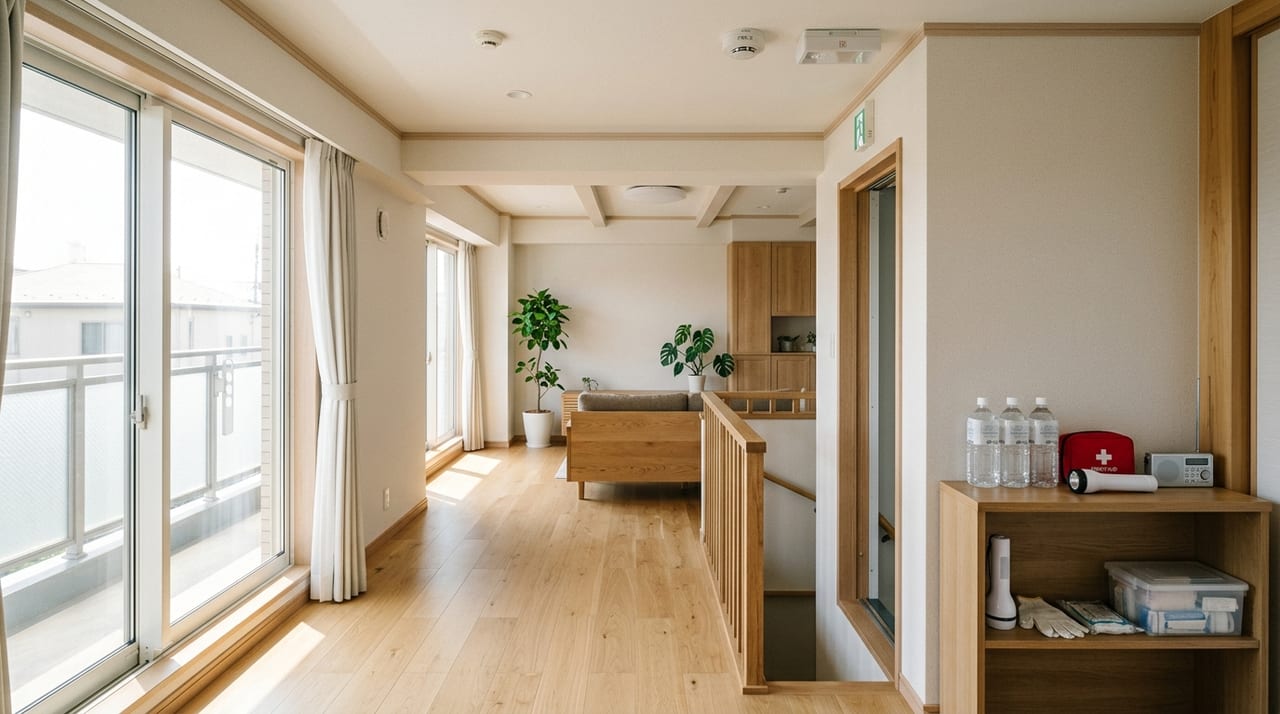
As typhoon season approaches, this guide explains the safety measures rental tenants should take in advance, along with detailed steps for damage assessment and reporting after a typhoon passes. We also cover the insurance claim process.
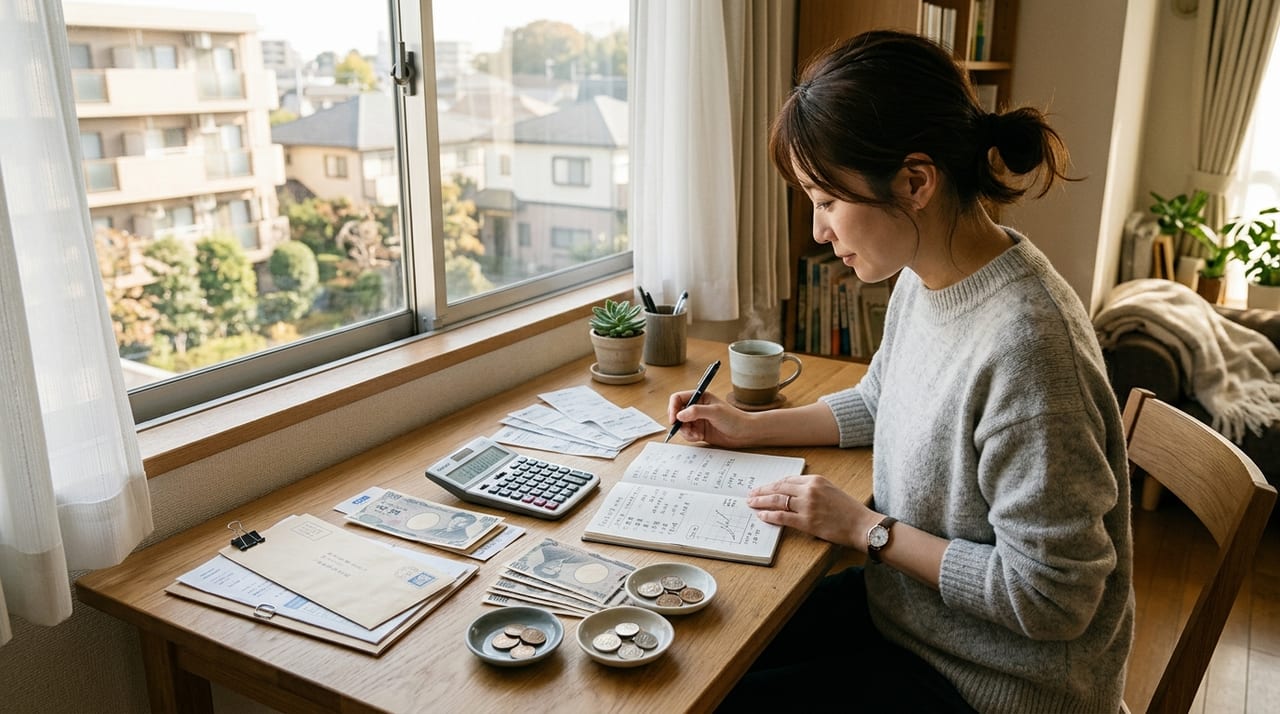
Is the common wisdom of "keep rent to 30% of income" really correct? Based on actual household budget simulations, we'll explain how to calculate appropriate rent based on your annual income and lifestyle.
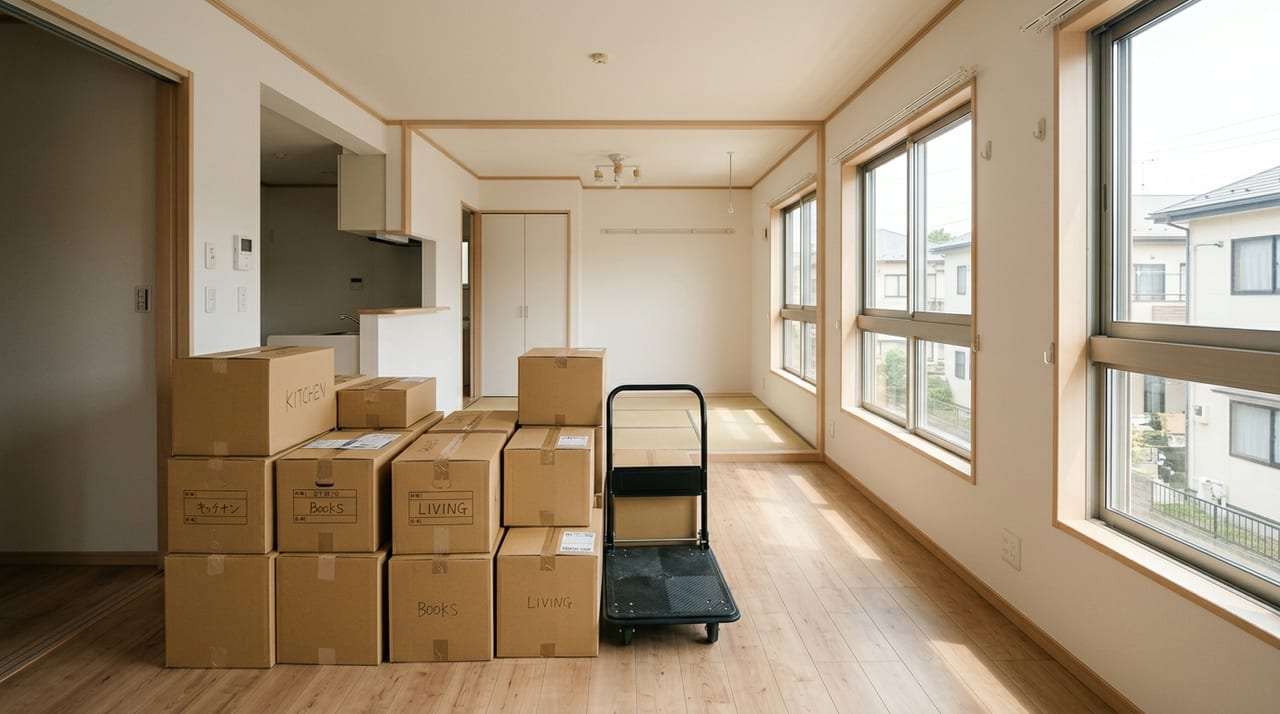
Discover storage solutions to maximize your rental closet and Japanese-style storage spaces. Learn how to increase storage capacity without damaging walls, and master the art of seasonal clothing rotation.
![Complete Guide to Kobe Rental Areas [2026 Edition]—Thorough Comparison of Major Areas' Rental Prices and Livability](https://img.sumuie.jp/column-images/medical-hospital-access-rental-guide/hero-1777711467380.jpg)
Detailed comparison of rental prices, transportation access, and living environments in Kobe's major areas including Sannomiya, Motomachi, Sumiyoshi, and Tarumi. We've compiled essential information for those searching for rental properties in Kobe.
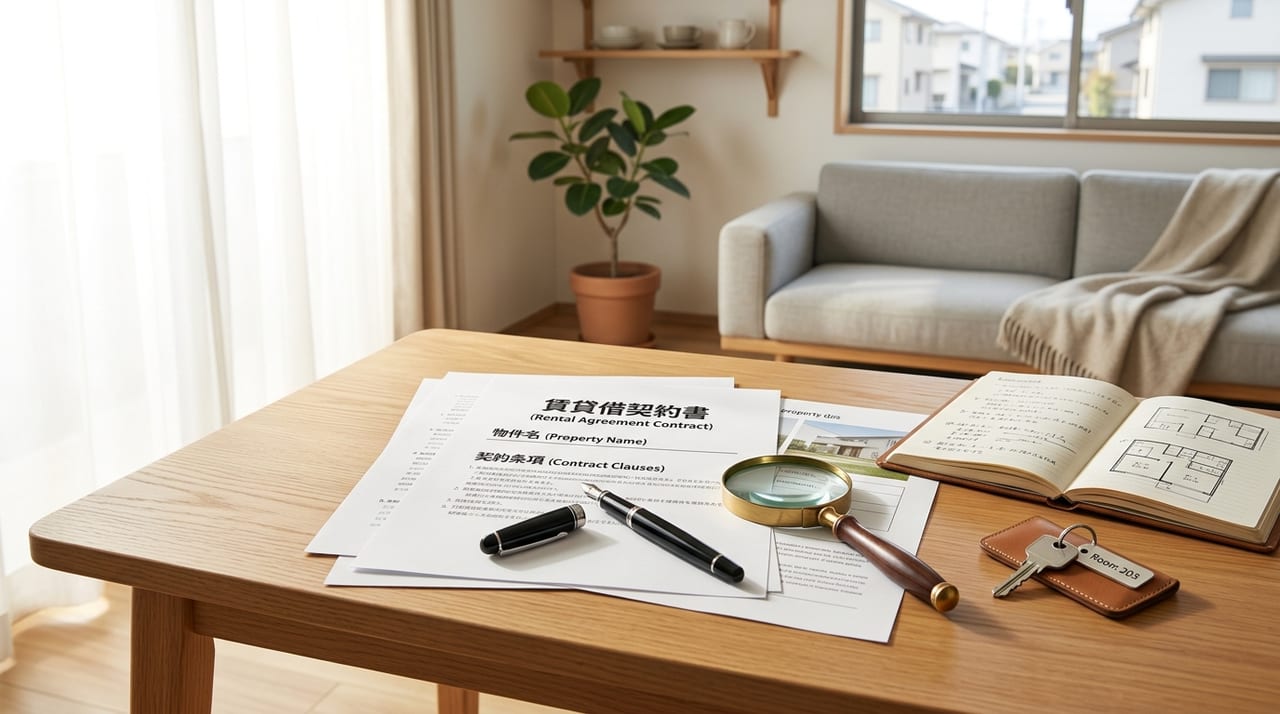
When noise problems arise in rental housing, what legal rights do tenants have? This guide explains the procedures for filing complaints, the legal basis for your rights, and practical solutions.
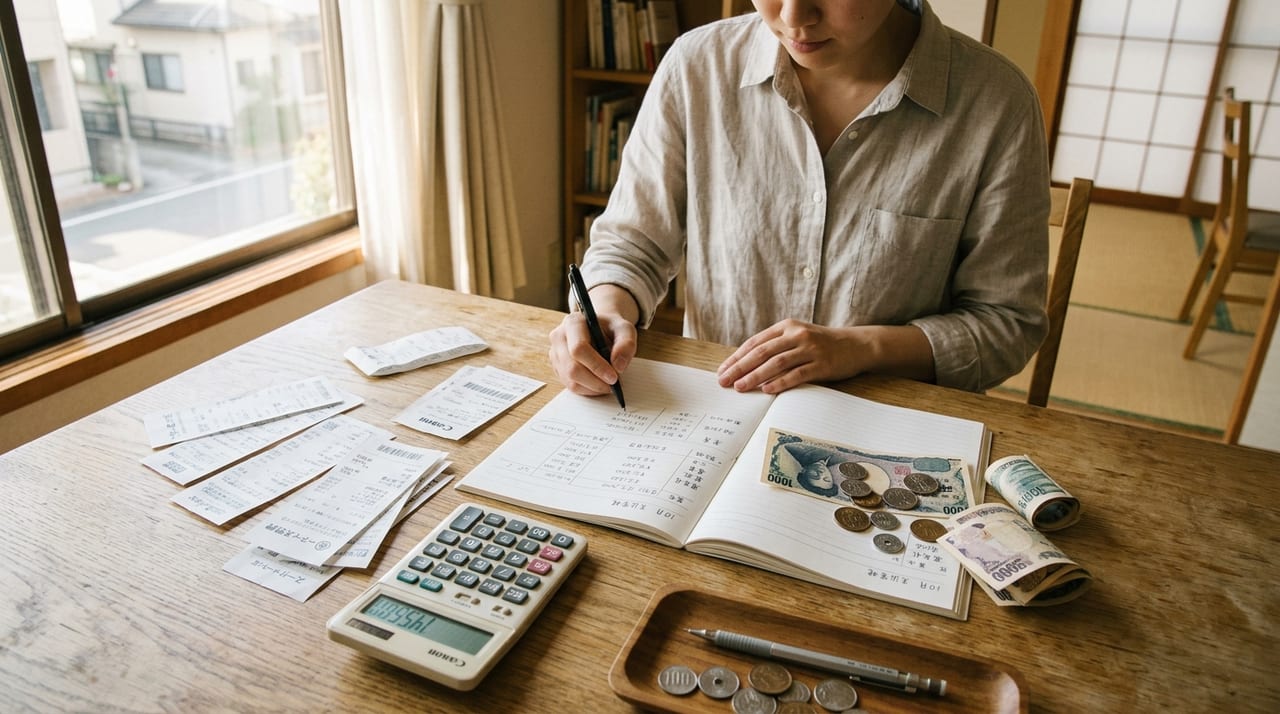
Rental initial fees typically amount to 4–6 months' rent and represent a major expense before moving. By understanding the breakdown of security deposits, key money, agency fees, and other costs, and by mastering the timing and techniques for negotiation, you can legally reduce initial fees to just 2–3 months' rent—and it's entirely achievable.
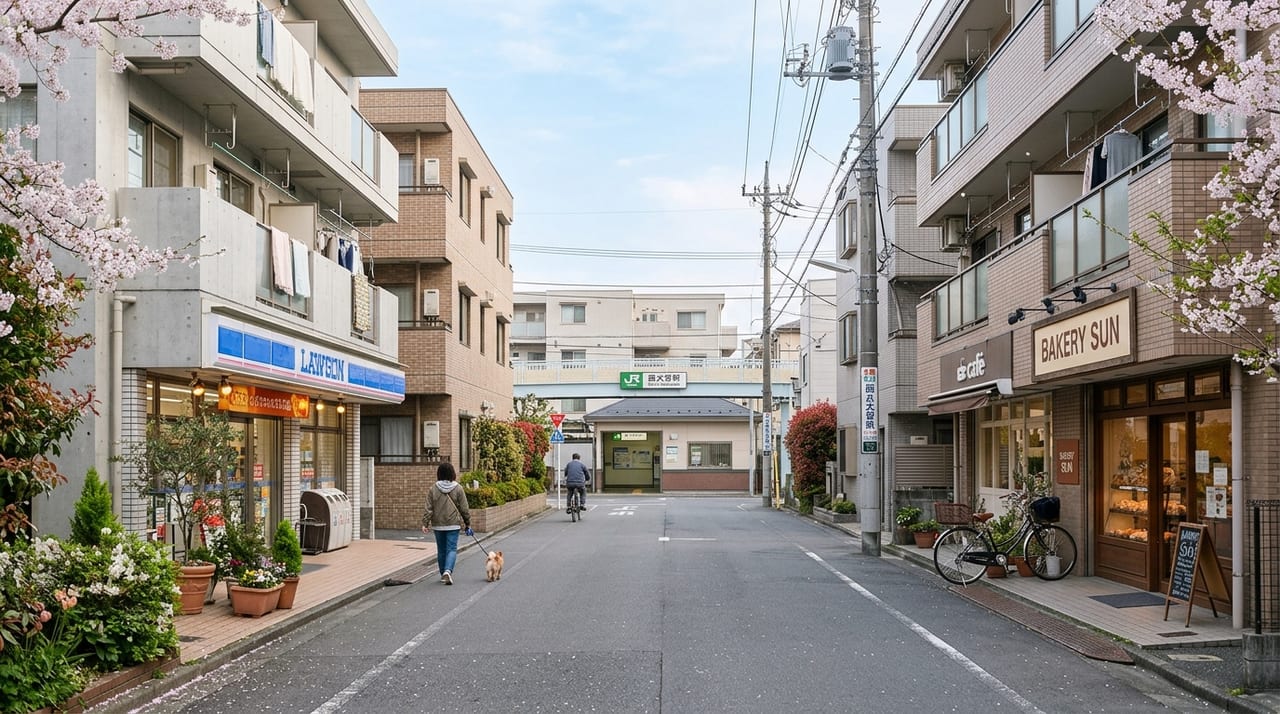
Share houses that welcome foreigners offer easier approvals and lower initial costs, but come with privacy concerns and shared living considerations. We honestly explain the drawbacks, cost estimates, differences from social residences, required documents for move-in approval, and how to avoid move-out troubles.
When moving to a rental property, many procedures are needed from filing a moving-out notice to updating your driver's license and bank accounts. If you get the order of procedures wrong, the workload multiplies. This article explains all address change procedures before and after moving in an easy-to-understand way.
![Complete Guide to Renting Without a Guarantor [2024 Edition]](https://img.sumuie.jp/column-images/madori-zu-kigou-ryakugo-reading-guide/hero-1777684473755.jpg)
The 2020 revision of the Civil Code brought major changes to the joint guarantor system in rental agreements. Experts explain practical methods for renting without a guarantor, including how to use guarantor companies and find properties that don't require one.
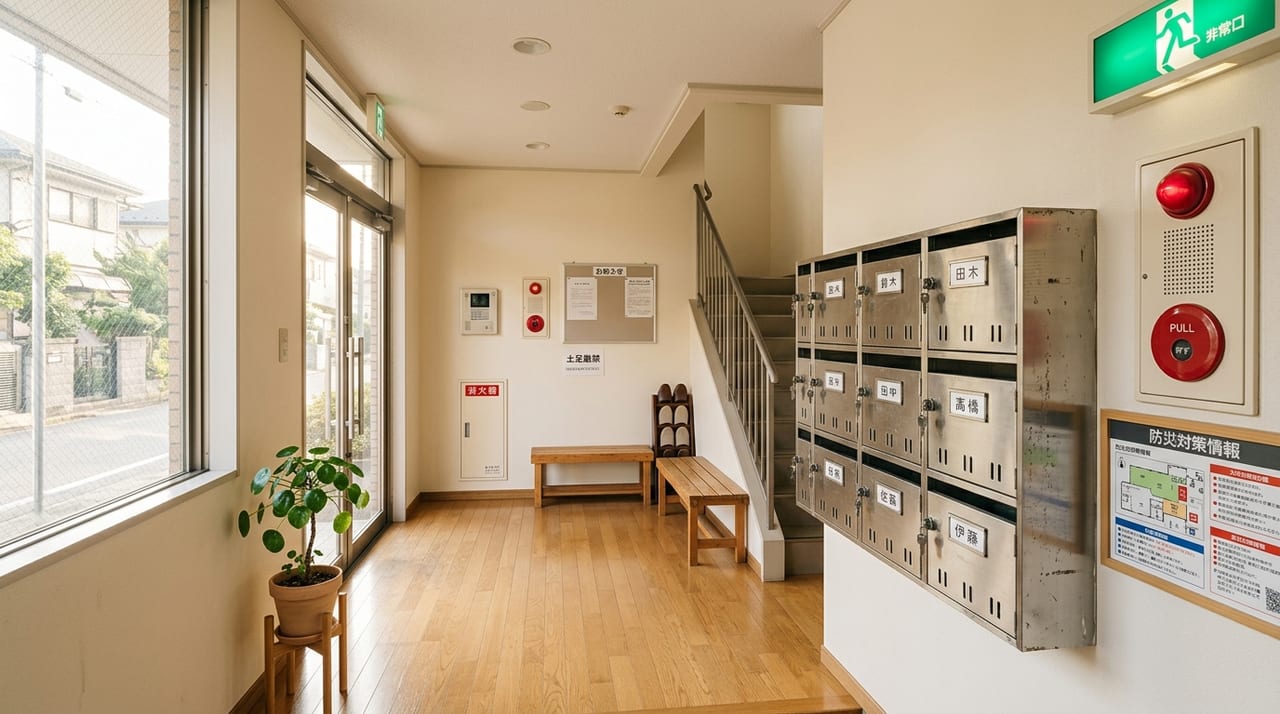
Do you think "Since I'm renting, earthquake insurance is the landlord's responsibility"? Actually, landlords insure the building, but your household items receive zero coverage. This guide explains the necessity and mechanics of household earthquake insurance (typically ¥500–¥1,500/month) with real-world examples of what happens without it.
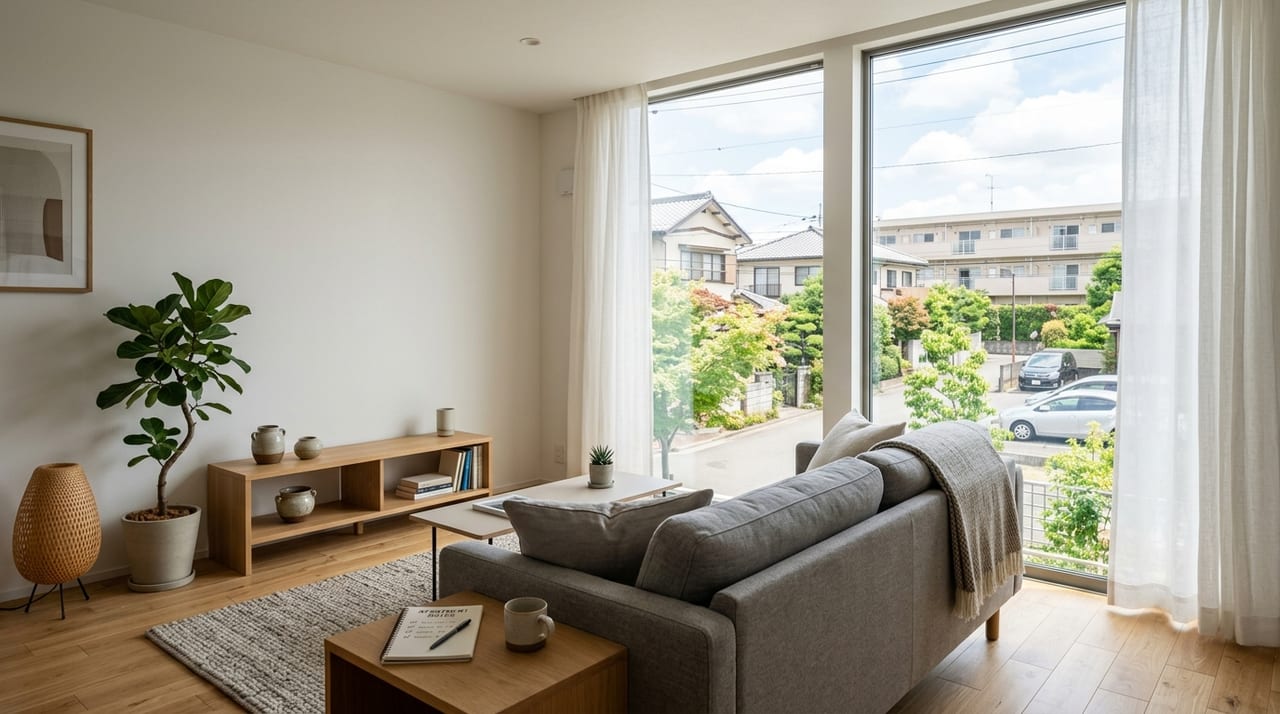
There are rules to follow when parking bicycles in rental apartments and homes. From the types of bike parking facilities and application procedures to preventing abandoned bikes and resolving neighbor disputes, this practical guide explains everything a rental resident needs to know.
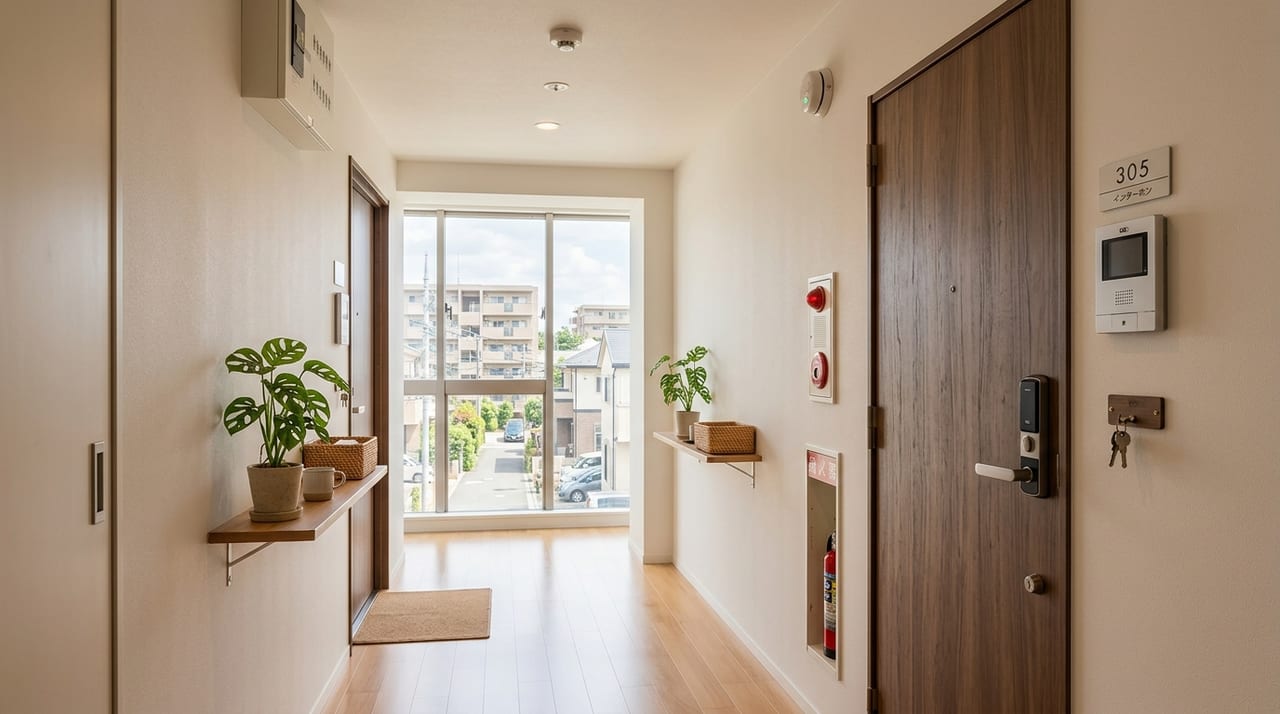
Disaster preparedness is essential even in rental housing. This practical guide from a rental property professional covers concrete steps you can take in apartments—from stocking supplies and preparing evacuation plans to securing furniture—to protect against earthquakes, typhoons, fires, and other risks.
