Helpful information for your apartment search and daily life
397–408 of 970
Deteriorating water supply pipes and low water pressure in rental housing are problems often discovered only after moving in. A real estate rental expert explains in detail the signs of deterioration you can spot during a viewing, methods to check water pressure, and the cost-sharing rules when plumbing work is needed.
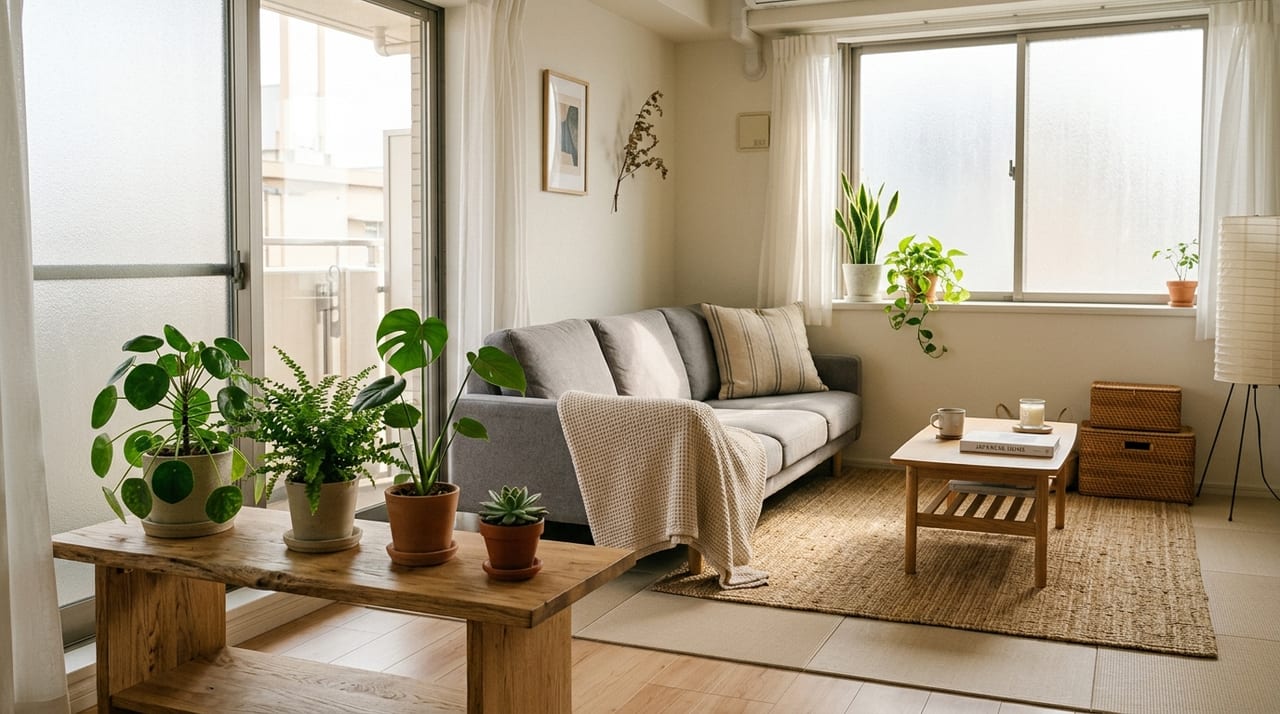
You can make your rental apartment's flooring stylish through DIY. However, because you're obligated to restore the floor to its original condition upon move-out, choosing methods that leave no traces is essential. Experts explain renovation techniques using removable floor tiles, wood carpet, and puzzle mats, as well as key points to avoid unexpected costs at move-out.
Garbage disposal in rental housing is one of the most critical etiquette rules—neglecting it can lead to serious problems. This comprehensive guide by rental real estate professionals covers garbage station usage, how to find collection days, disposing of non-combustible and bulky waste, and the differences between apartment buildings and standalone rental properties.
When choosing a rental property, deciding between a ground floor or second floor and above is a common dilemma. In this guide, a rental real estate expert comprehensively explains the pros and cons of each option—including security risks, natural light, noise, rent differences, and pest issues—with specific statistics and real-world examples.
Since Japan's electricity market deregulation in 2016, renters can freely choose their power provider. Switching to an alternative energy company can save ¥1,000–3,000 per month. This guide by rental real estate experts covers the switching process, selection tips, and rental-specific limitations.
When a problem occurs in your rental, who do you call? This guide covers management company, emergency repair services, and utility companies by situation, plus how to reach your management company on Sundays, year-end/new year holidays, and after-hours; what "emergency contact" means in your lease; and what to do if you have no one to list.
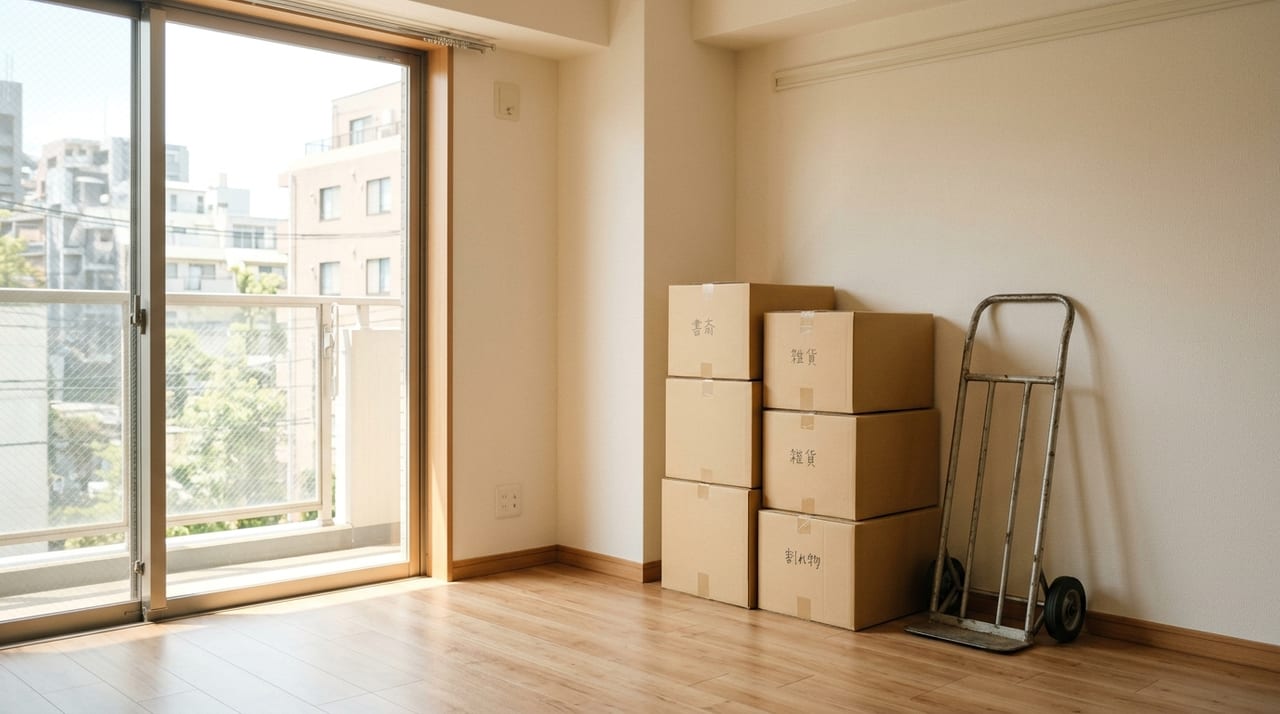
A comprehensive guide to measuring storage spaces and assessing their functionality—commonly overlooked during apartment viewings. Real estate experts explain how to measure closets, cupboards, and shoe storage, how to cross-check them with furniture and belongings you plan to bring, how to calculate storage capacity, and the hidden pitfalls of depth, height, and door types.
This guide explains flood and inundation risks to verify when selecting rental properties and how to read hazard maps. We cover everything from accessing the Ministry of Land, Infrastructure, Transport and Tourism's Hazard Map Portal and understanding flood risk disclosures in property transaction documents, to decision-making criteria for 1st and 2nd floor units and flood insurance considerations—a complete roadmap to safe rental selection.
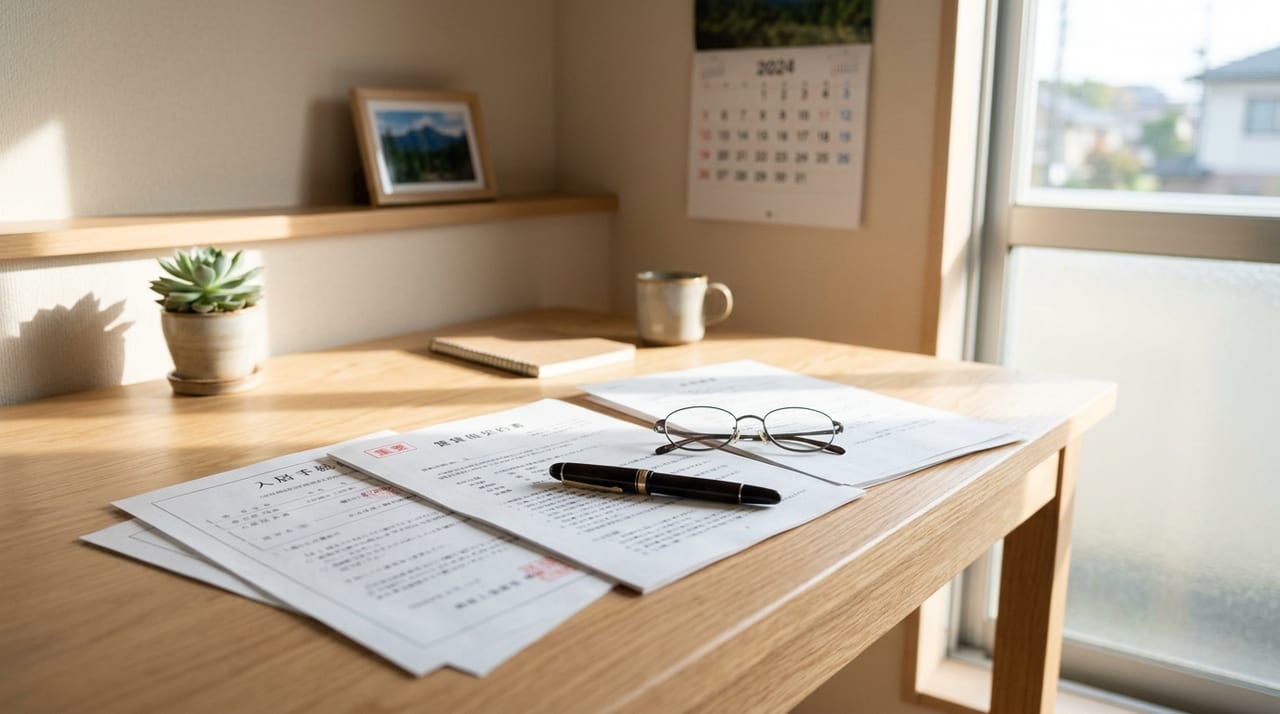
What should you do if you fall behind on rent for the first time? This comprehensive guide covers the process of overdue payment notices, how to contact your property management company, strategies for negotiating payment extensions, how guarantor company subrogation works, and the legal procedures that follow prolonged nonpayment (including registered mail demands and eviction lawsuits)—all explained from the tenant's perspective.
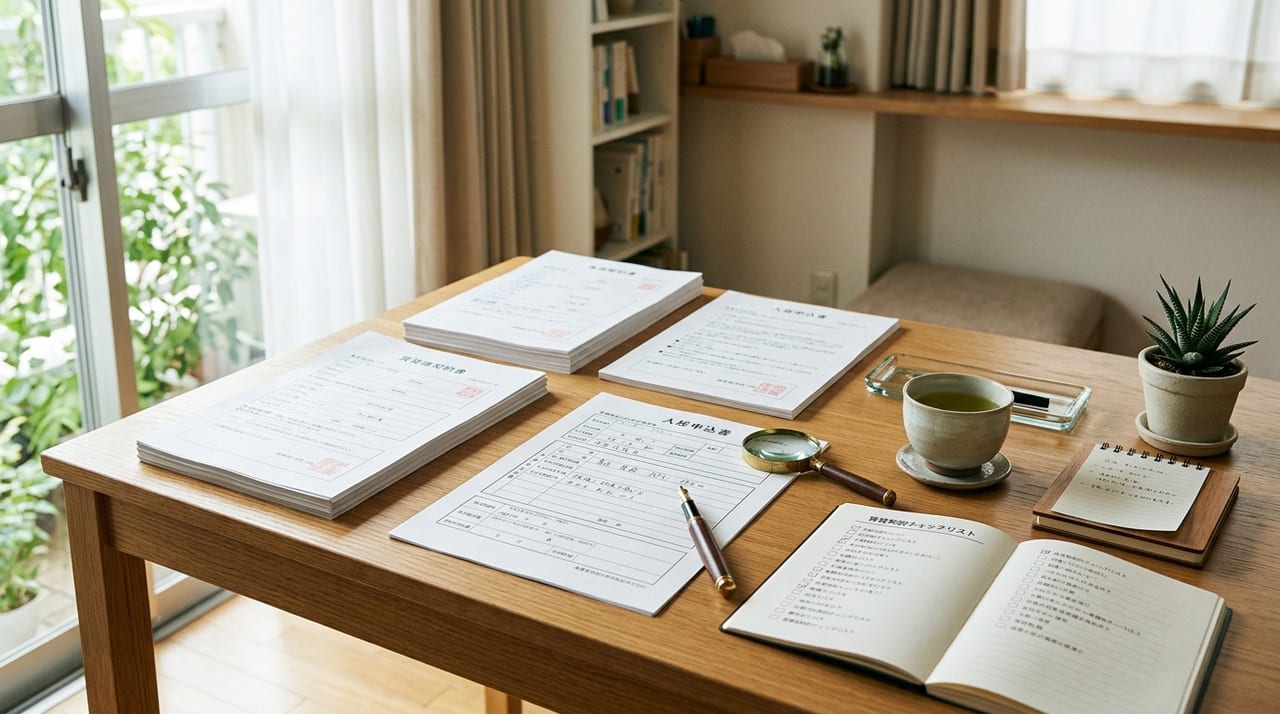
A comprehensive guide to completing the rental application form required when applying for rental properties. Real estate experts explain in detail how to fill in your name, employer, and joint guarantor information; which items are emphasized in the approval process and writing tips; the risks of providing false information; and methods for correcting and rewriting errors.
Can you keep fish, small birds, hamsters, turtles, and reptiles in "no-pet" rental properties? This expert guide explains the scope and legal interpretation of "no-pet" contract clauses, how to confirm with management companies, which cases are easier or harder to get approval for, and the financial risks at move-out—all detailed by a real estate rental specialist.
Most pest problems in rental housing can be prevented through prevention before and immediately after move-in. Learn entry routes and pre-move prevention strategies for cockroaches, dust mites, ants, midges, and centipedes, plus how to choose and use fumigation treatments, bait stations, and pest prevention sprays, and understand cost responsibility rules—explained in detail by experts.
