For renters, we explain the differences between trunk rooms and rental storage/container storage (contract types and liability coverage), pricing guides for indoor, outdoor, and parcel delivery types, and practical tips for studio and 1K apartments. Learn how to maximize your living space while keeping total costs down.
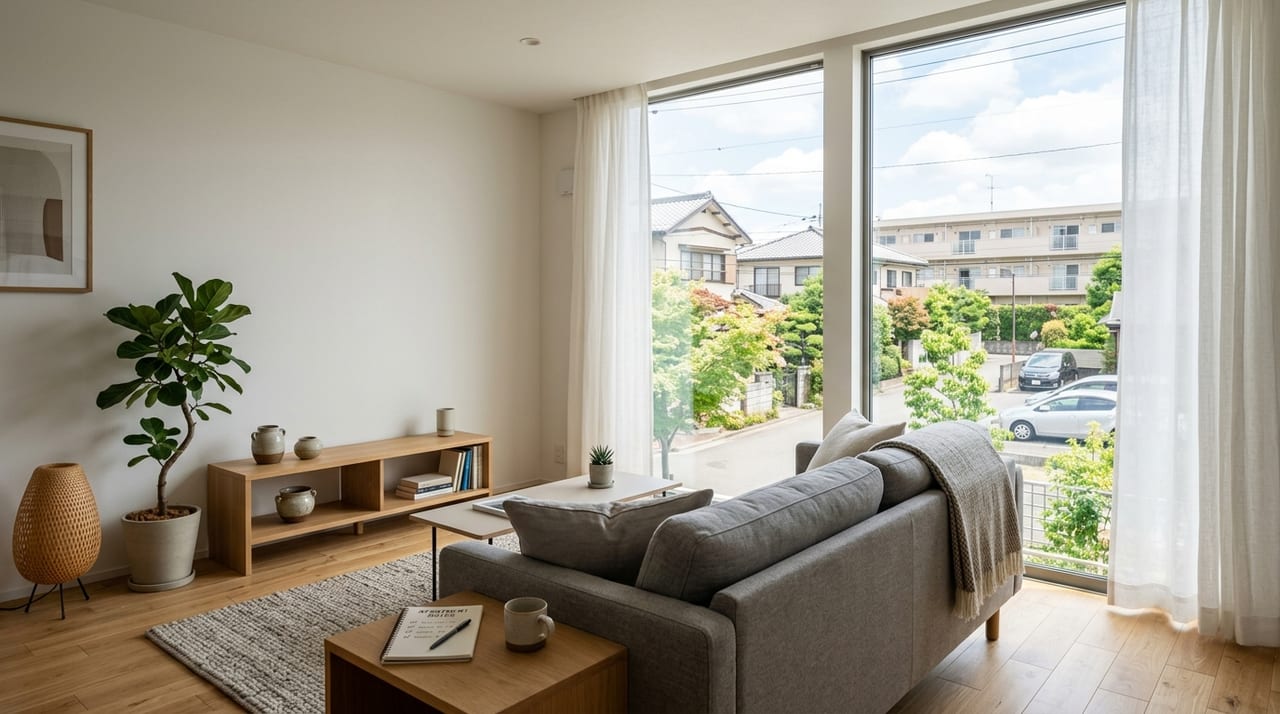
Learn how to choose the right trunk room to tackle storage shortage even in small rentals, understand pricing, contract considerations, and move-out procedures—discover the smart way to combine rental living with external storage solutions.
A complete guide to choosing and using storage units to solve rental housing storage shortages, including costs, pitfalls, differences between outdoor and indoor options, and tips for successful use.
Learn practical ideas for storing bulky outdoor gear—tents, sleeping bags, and coolers—in your rental apartment's limited space. We'll cover storage methods using entryways, balconies, and closets, plus how to make the most of external storage units.
When aging parents need care, near-residence living—moving your rental home closer to your parents—is one practical option. This guide helps you understand the key factors to consider when choosing a rental for near-residence living: location, costs, and coordination with care services.
Reviewed by: Nobuyuki MoriPresident, M-Assets Co., Ltd. / Licensed Real Estate Transaction Specialist (Miyagi #018212)
Many people living in rental apartments face the challenge of limited storage space and overcrowded rooms. That's where rental storage and trunk rooms come in. By using a trunk room effectively, renters can keep their living space tidy while safely storing their belongings.
| Type | Features | Average Monthly Cost |
|---|---|---|
| Indoor type | Climate control and security included, ideal for delicate items | ¥3,000–¥15,000 |
| Outdoor (container) type | For large items, easy vehicle access | ¥5,000–¥20,000 |
| Parcel delivery type | Pickup and delivery service, smartphone management | ¥300–¥2,000 (per box) |
| In-building trunk room | Within the same building, highly convenient | ¥1,000–¥5,000 |
"Trunk room" is similar to "rental storage space" and "container storage," and these terms are often used interchangeably in conversation. However, the contract type and liability coverage differ, so it's helpful to understand the distinctions before signing.
| Service | Contract Type | Responsibility for Stored Items | Best For |
|---|---|---|---|
| Trunk room (warehouse operator type) | Consignment contract (deposit items) | Operator responsible for safekeeping | Valuables, documents, delicate items |
| Rental storage space | Lease agreement (rent space) | User responsible (operator typically not responsible) | Items accessed frequently |
| Storage warehouse or rental container | Lease agreement | User responsible | Large items, tires, outdoor equipment |
| Parcel delivery storage | Primarily consignment contract | Operator responsible (with limits) | Small quantities, infrequently accessed items |
The key distinction is the contract type. A true "trunk room" under warehouse business law is a consignment contract where the operator takes responsibility for safeguarding your items. In contrast, most indoor and outdoor types you see around town are "rental storage spaces" (lease agreements) where the user bears responsibility for their belongings. If you're storing valuable items, always check the insurance coverage and contract type before signing.
Note that "trunk room included" listed in a rental property's amenities refers to a dedicated storage unit within the same building and is different from external rental services (see FAQ below).
In small rentals like studios and 1K apartments, seasonal clothing, ski gear, camping equipment, and hobby supplies can quickly take over your living space. Moving these items to a trunk room dramatically expands your usable space.
Too many belongings often lead to adding shelves and racks, which may require drilling holes or creating wall damage. Storing items externally reduces the need for interior modifications, helping you avoid costly restoration to original condition charges when you move out.
Bicycles, musical instruments, art, and designer goods can be stored in a climate-controlled environment. Indoor trunk rooms maintain proper temperature and humidity, preserving your items' condition better than keeping them in your apartment.
Renting a trunk room makes you face what you actually use. Items you haven't touched in months become candidates for selling on marketplace apps, turning storage into a decluttering opportunity while reducing monthly costs.
Storage shortage is most acute in studios and 1K apartments for single renters. Even with just one closet, organizing items by frequency of use maximizes a trunk room's benefits.
Priority items to store (for studios):
Practical decision rule: "Will I use this within three months?" If not, storing it won't impact daily life.
For renters without a car, parcel delivery type services are often the best option. Renting 2–3 boxes at roughly ¥300 each per month adds half a closet's worth of storage for under ¥1,000—an excellent cost.
Location is crucial. A trunk room within walking distance or easy bike ride is essential; otherwise you'll avoid using it and it becomes a waste. Aim for within a 10-minute walk of your home.
| Items | Recommended Type |
|---|---|
| Clothing, books | Indoor type (with temperature and humidity control) |
| Bicycles, sports equipment | Outdoor container type (prioritize space) |
| Seasonal appliances (fans, heaters, etc.) | Indoor or outdoor type |
| Valuables, musical instruments | Indoor type (prioritize security) |
| Temporary storage during move | Parcel delivery type (most affordable for short-term, small quantities) |
Consider a trunk room's cost against renting a larger apartment for storage.
Example: Sendai
With this gap, renting a ¥5,000–¥8,000/month trunk room while living in a cheaper 1K often costs less overall. Lower security deposits and key money on smaller units further reduce upfront costs, making long-term savings significant.
"Parcel delivery type" storage services are rapidly growing. You deposit items by the box and retrieve them on demand.
Major services and features:
Benefits:
Drawbacks:
Moving day is the perfect opportunity to maximize trunk room benefits.
Q: Can I place a storage box on the balcony of my rental apartment? A: Balconies serve as emergency evacuation routes and are common areas, so most rental agreements prohibit storage boxes. If you need more storage, focus on interior organization or use an external trunk room for better compliance and safety.
Q: Is a trunk room included in the rent a better deal than external rental? A: In-building trunk rooms offer maximum convenience, but the cost is often built into the rent. A ¥1,000–¥5,000 monthly increase might be worthwhile for convenience, but if you only need minimal storage, a parcel delivery service (¥300–¥1,000/month) is more economical.
Q: Can I sign a one-month contract? A: Most services offer month-to-month contracts suitable for temporary storage during moves. However, some charge administrative fees or require 2–3 month minimums. For short-term use, always compare total upfront costs.
Q: Is stored luggage insured? A: Warehouse operator type and parcel delivery services typically include standard coverage, while rental storage spaces rely on user responsibility. Insurance limits per box or contract vary widely, so always verify coverage before storing valuables.
Using a trunk room in a rental apartment is highly effective from three perspectives: expanding your living space, safely storing belongings, and reducing restoration risks at move-out.
Before paying more for a larger apartment, try using a trunk room to maximize your current space.
床スラブ厚と上階の足音問題——賃貸で「ドン」という衝撃音が響く構造的な理由と物件選びのポイント
前橋・群馬の賃貸エリアガイド【2026年版】——主要エリア別家賃相場と住みやすさを徹底比較
Making the Most of Protruding Beams and Columns in Rental Apartments — Smart Furniture Placement Strategies
Mito & Ibaraki Rental Area Guide [2026] — Comprehensive Explanation of Rental Rates and Livability by Major Area
Uncovering Property Issues by Asking Previous Tenants About Their Departure—Questions to Ask During Viewings and How to Interpret Answers
