Skip to content
SUMUIEスムイエ
PropertiesMoving GuideQuiz
Articles
ColumnsContracts & ProceduresMoving InDaily LifeArea & EnvironmentCosts & FinancesSafety & Disaster Prevention
AboutContact Us
JAEN
SUMUIEスムイエ

Search and compare rental properties across Japan.

Navigation

  • Home
  • Properties
  • Moving Guide
  • Move-in cost calculator
  • About
  • Articles
  • Contact Us
  • FAQ

Member menu

  • My page
  • Member sign-up (free)

Company menu

  • List your properties
  • Company admin
  • Company sign-up (free)

Articles

  • Contracts & Procedures
  • Moving In
  • Daily Life
  • Area & Environment
  • Costs & Finances
  • Safety & Disaster Prevention

About us

  • Company
  • Privacy policy
  • Terms of use

Search by area

HokkaidoTohokuKantoChubuKansaiChugokuShikokuKyushu & Okinawa

Popular prefectures

TokyoKanagawaOsakaAichiFukuokaHokkaidoMiyagiHyogoView all areas →

Sister sites

Shueki JPInvestment properties & yield insightsSenkyakuCommercial & retail tenant brokerage

© 2026 SUMUIE. All rights reserved.

HomePropertiesFavoritesContact Us
  1. Home
  2. Columns
  3. Daily Life
  4. Storage and Charging Rules for Electric Bikes in Rental Housing: From Bicycle Parking Space Verification to Battery Fire Prevention
Daily Life

Storage and Charging Rules for Electric Bikes in Rental Housing: From Bicycle Parking Space Verification to Battery Fire Prevention

2026-05-29

A guide to verifying storage locations for electric bikes and e-bikes in rental housing, along with fire safety precautions for battery charging. We cover what to confirm with your management company before purchasing and essential rules to prevent problems.
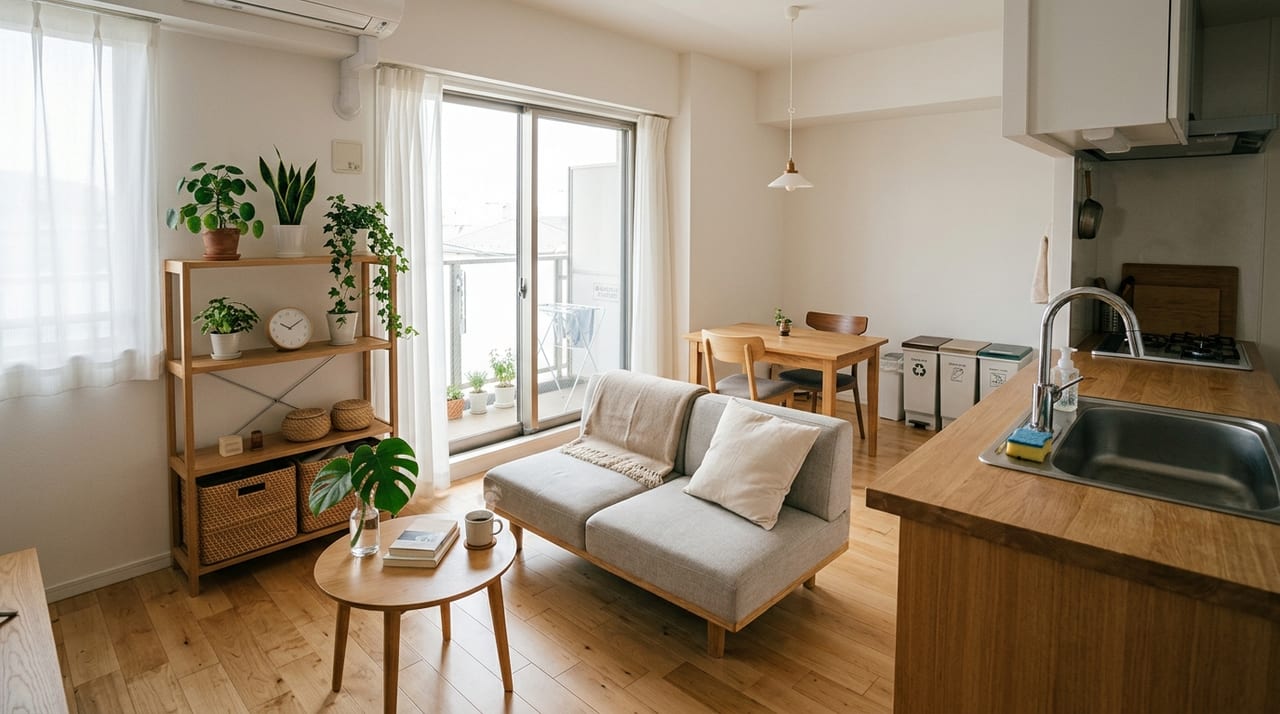
Storage and Charging Rules for Electric Bikes in Rental Housing: From Bicycle Parking Space Verification to Battery Fire Prevention
#Electric Bicycle#E-Bike#Bicycle Parking#Battery Charging#Fire Prevention#Rental Rules#Electric Kick Scooter
森

Reviewed by: Nobuyuki MoriPresident, M-Assets Co., Ltd. / Licensed Real Estate Transaction Specialist (Miyagi #018212)

Table of contents

  1. 01Storage and Charging of Electric Bikes in Rental Housing: Rules You Need to Know
  2. 02Storage Location for Electric Bikes: What to Confirm First
  3. 03Can You Park an Electric Bike in the Bicycle Parking Area?
  4. 04Alternative Options If Bike Parking Isn't Available
  5. 05Battery Charging Precautions: Understanding Fire Risks
  6. 06Fire Incidents Involving Lithium-Ion Batteries
  7. 07Charging in Hallways and Entrances is Prohibited
  8. 08Electric Scooter Rules: Separate Confirmation Needed
Related

Other columns

Complete Guide to E-Bike and E-Scooter Charging Rules in Rental Apartments—Common Area Charging Issues and How to Confirm with Management

Is it okay to charge e-bike and e-scooter batteries in common areas of rental apartments? Our rental experts provide comprehensive guidance on charging rules, fire safety risks, how to confirm policies with management, and real trouble cases. We also introduce safe charging methods and tips for choosing properties.

Complete Guide to Storing and Charging Electric Bikes and e-Bikes in Rental Housing—How to Prevent Battery Fire Risks and Bike Parking Disputes

A clear guide to storage locations, charging methods, and bike parking rules when using electric bikes or e-bikes in rental housing. From battery fire prevention measures to how to consult with your building management—a practical guide for safely and sustainably using your e-bike long-term.

Bicycle Parking Rules in Rental Apartments: A Guide to Avoiding Neighbor Disputes

There are rules to follow when parking bicycles in rental apartments and homes. From the types of bike parking facilities and application procedures to preventing abandoned bikes and resolving neighbor disputes, this practical guide explains everything a rental resident needs to know.

A Complete Guide to Raising Non-Pet Animals (Fish, Small Birds, Reptiles, Small Mammals) in Rental Properties

Back to columns
  • 09How to Consult with Your Management Company or Landlord
  • 10Important Notes for Moving and When Moving Out
  • 11Summary
  • Storage and Charging of Electric Bikes in Rental Housing: Rules You Need to Know

    Electric-assist bicycles (e-bikes) are becoming increasingly popular. As more people use them for commuting and shopping, problems related to storage and battery charging in rental housing are on the rise. This guide covers the basic rules and solutions that e-bike users in rental properties should know.

    Storage Location for Electric Bikes: What to Confirm First

    Can You Park an Electric Bike in the Bicycle Parking Area?

    Many rental apartment buildings have bicycle parking areas designed specifically for regular bikes. Electric bikes weigh 20–30 kg and carry the risk of battery theft, so they may be restricted in some buildings' management regulations.

    Essential questions to confirm before moving in or purchasing:

    • •Whether electric bikes are permitted in the bicycle parking area (ask your management company or landlord)
    • •Weight limits for rack-style parking, especially for upper and middle tiers
    • •Whether you can bring the battery inside if you store only the frame in the parking area
    • •Availability of locking facilities (dedicated or shared space)

    If you park an electric bike without confirming, the management association or landlord may demand removal or charge additional parking fees.

    Alternative Options If Bike Parking Isn't Available

    • •Confirm if you can bring bikes indoors: If your building's regulations don't prohibit indoor bicycle storage, you may be able to keep it in your entryway or another indoor space. However, leaving bikes in hallways is prohibited as they obstruct emergency evacuation routes.
    • •Use nearby paid bicycle parking facilities: Many commercial districts offer monthly parking for ¥1,000–¥3,000. Check parking areas near train stations or shopping centers.
    • •Consider a foldable e-bike: Foldable models are easier to store indoors and better suited for rental housing.

    Battery Charging Precautions: Understanding Fire Risks

    E-bike batteries (lithium-ion batteries) are convenient, but they can cause fires if handled improperly and are potentially dangerous items.

    Fire Incidents Involving Lithium-Ion Batteries

    In recent years, fires in rental apartments caused by charging e-bikes and electric scooters have been occurring nationwide. Common causes include the following:

    • •Using non-genuine chargers: Third-party chargers are prone to overcharging and overheating
    • •Using damaged batteries: Batteries damaged by impact or water exposure tend to overheat during charging
    • •Charging left unattended during sleep or while away: Dangerous because you won't notice abnormal heat buildup
    • •Charging in hot locations: Never charge on a sunny balcony or in direct sunlight during summer

    Safe charging rules:

    1. Use only genuine chargers and batteries
    2. Charge in a place where you can monitor it (such as your living room)
    3. Complete charging and unplug before bed or leaving home
    4. Charge on a non-flammable mat, not on flooring or wooden shelves
    5. Dispose of damaged batteries immediately; do not charge them

    Charging in Hallways and Entrances is Prohibited

    Using outlets in common areas of an apartment building (hallways, entrances, bicycle parking areas) without permission constitutes theft of electricity. Additionally, installing chargers in common areas obstructs other residents' passage and negatively affects the building's appearance. Always charge using an outlet in your own unit.

    Electric Scooter Rules: Separate Confirmation Needed

    Following the July 2023 traffic law revision, certain small motorized bicycles (some types of electric scooters) no longer require a license and helmets are optional. When renting, note the following:

    • •Whether the bike parking area allows them: Electric scooters are treated as mopeds, so in some cases they must be stored in a motorcycle parking area
    • •Extra caution with large batteries: Models with large batteries sold through sharing services carry higher charging risks
    • •Check your building's regulations: If your lease prohibits motorized vehicles in the bicycle parking area, you must comply

    How to Consult with Your Management Company or Landlord

    If you have concerns about storing or charging an electric bike, confirm details with your management company or landlord before moving in or purchasing.

    Information to provide when consulting:

    • •E-bike manufacturer name and weight
    • •Your preferred storage location (specific bike parking space or indoors)
    • •Intended charging location (using an indoor outlet)

    By consulting courteously before committing, you can prevent future problems and may even negotiate for a dedicated storage space or charging facilities.

    Important Notes for Moving and When Moving Out

    Batteries cannot be disposed of as regular trash. When moving or discarding, use one of these methods:

    • •Take them to a bicycle shop or electronics retailer: Many stores accept lithium-ion battery collections
    • •Manufacturer collection services: Major manufacturers such as Panasonic, Bridgestone, and Yamaha offer collection programs
    • •Municipal hazardous waste collection: Check your local government's guidelines and use their designated services

    Summary

    Key points for using electric bikes in rental housing:

    • •Always confirm storage options with your management company before purchasing
    • •Charge batteries indoors in a visible location using the genuine charger
    • •Do not use outlets in common areas
    • •Dispose of damaged batteries immediately
    • •Use manufacturer or retailer collection services when discarding

    Electric bikes make daily life much more convenient. Follow safe rules and enjoy your rental living comfortably.

    Related Columns

    • 収益JP

      2026年金利戦略

      不動産投資家向けの金利動向と戦略

    • 収益JP

      仙台不動産市場の2026年課題

      仙台エリアの投資マーケット分析

    • 収益JP

      不動産投資家のためのAIツール

      投資判断を支援するAI活用

    不動産ネットワーク

    投資物件・賃貸住宅・テナント・運営会社をつなぐ不動産4サイト連携。

    収益JP

    収益物件・不動産投資情報

    千客テナント

    テナント・店舗仲介

    M-Assets

    仙台の不動産賃貸・管理

    Categories

    • Contracts & Procedures215
    • Moving In129
    • Daily Life288
    • Area & Environment111
    • Costs & Finances118
    • Safety & Disaster Prevention72

    Popular tags

    #Move-out Restoration85#Property Selection70#Solo Living67#Average Rent

    Can you keep fish, small birds, hamsters, turtles, and reptiles in "no-pet" rental properties? This expert guide explains the scope and legal interpretation of "no-pet" contract clauses, how to confirm with management companies, which cases are easier or harder to get approval for, and the financial risks at move-out—all detailed by a real estate rental specialist.

    A Guide to Safe Storage Rules and Security Measures for Bicycles, Scooters, and Motorcycles in Rental Properties

    From how to confirm storage locations for bicycles, scooters, and motorcycles to theft prevention measures and what to ask your property management company. We'll solve all your questions about storing vehicles in rental properties.

    Fire Insurance for Rental Apartments in Japan: Is It Required? Understanding Coverage and How to Choose

    Fire insurance is required when signing a rental contract in Japan. This guide explains what's covered, typical costs, and how to choose your own policy—all in clear language for foreign residents.

    Sister sites

    Shueki JP

    Investment properties & yield insights

    Senkyaku

    Commercial & retail tenant brokerage

    62
    #Foreigners60
    #Rental Contracts59
    #Initial Costs51
    #Property Viewing50
    #Rentals47
    #Guarantor Company36
    #Area Selection36
    #Tenant Screening36
    #Cost Savings32
    #Moving31
    #Property Management31
    #Move-Out Costs30

    Columns

    • 床スラブ厚と上階の足音問題——賃貸で「ドン」という衝撃音が響く構造的な理由と物件選びのポイント

    • 前橋・群馬の賃貸エリアガイド【2026年版】——主要エリア別家賃相場と住みやすさを徹底比較

    • Making the Most of Protruding Beams and Columns in Rental Apartments — Smart Furniture Placement Strategies

    • Mito & Ibaraki Rental Area Guide [2026] — Comprehensive Explanation of Rental Rates and Livability by Major Area

    • Uncovering Property Issues by Asking Previous Tenants About Their Departure—Questions to Ask During Viewings and How to Interpret Answers

    Previous article

    ← How to Replace Light Bulbs with LEDs in a Rental Apartment and Restoration Rules—Complete Guide to Energy Savings and Move-Out Considerations

    Next article

    How to Use Trunk Rooms in Rental Apartments | Differences from Storage Rental and Container Storage, Price Guide, and Tips for Studio and 1K Apartments →
