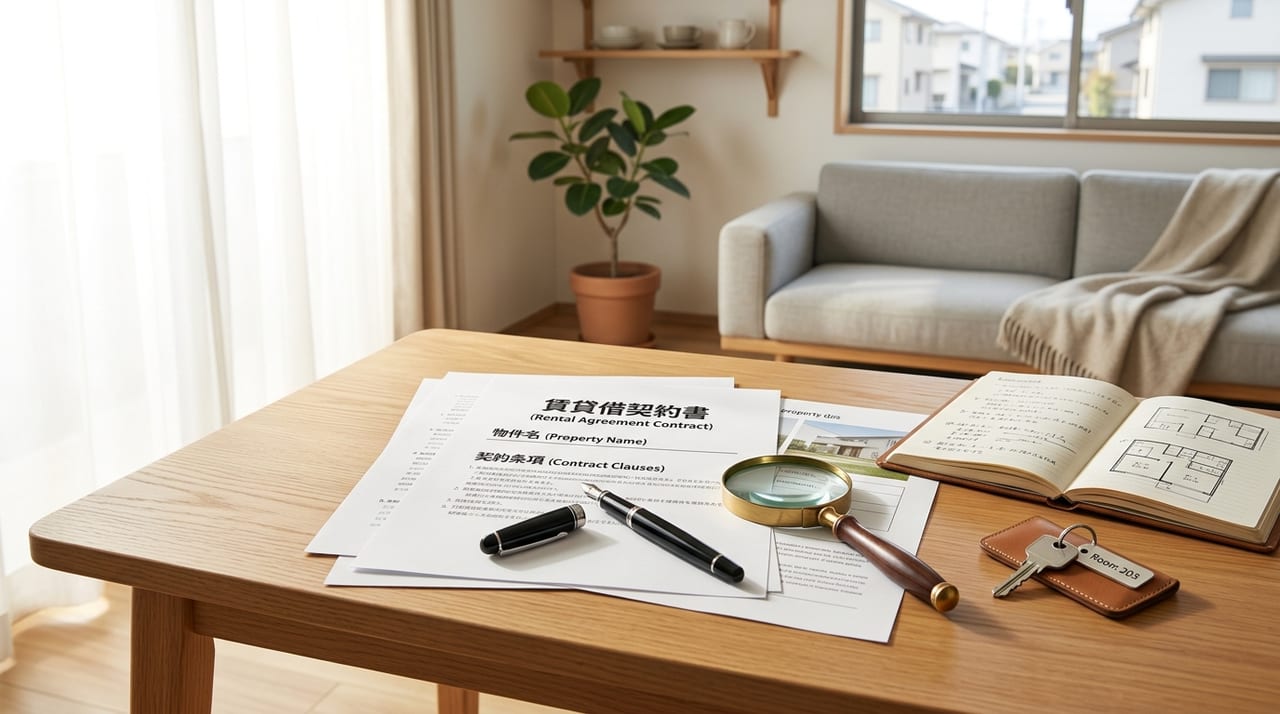
Complete Guide to Inheritance, Name Change, and Moving-Out Procedures When a Rental Tenant Dies
When a resident of a rental property passes away, this guide explains step-by-step what surviving family members and heirs must do. A practical guide covering contract termination, security deposit recovery, and the handling of abandoned property.
When a resident of a rental property passes away, surviving family members and heirs must face the issues surrounding the rental agreement. Many of the procedures involved are not widely known, and it is easy to become confused during an already emotionally difficult time. In this article, I will explain each step clearly while referencing the legal foundation.
What Happens to the Rental Contract When the Tenant Dies?
Under the Civil Code, a rental agreement does not automatically terminate upon the tenant's death. Heirs inherit the tenant's position. This means that heirs—such as a spouse or children—assume the leasehold rights in place of the deceased tenant.
When there are no heirs (due to renunciation of inheritance or absence of heirs), the situation becomes more complex. An estate administrator is appointed, and contract termination procedures proceed under their management.
Contact the Management Company Promptly
First and foremost, contact the management company (or landlord). Inform them of the tenant's death and provide information about the heirs. Early notification is critical, as the management company must determine whether the contract will continue or be terminated.
Having the following documents ready will smooth the process:
•The deceased's death certificate (or certified copy of removal from the family register)
•Family register(s) proving the identity of heirs
•Valid identification of each heir
When Terminating the Rental Contract
In most cases, heirs find no benefit in maintaining the deceased's residence and choose to terminate (cancel) the rental agreement. In such cases, the termination date is decided in consultation with the management company.
Notice of termination is typically required one to two months in advance; however, management companies may be flexible if you explain the circumstances of the tenant's death. Nevertheless, be sure to review any special conditions in the contract and keep in mind that rent for the notice period may still be due.
Handling Abandoned Property and Returning the Unit
The biggest challenge when terminating a rental agreement is disposing of abandoned property (the deceased's belongings). Fundamentally, heirs bear the responsibility of clearing out the deceased's possessions and returning the unit vacant.
It is efficient to hire a professional estate liquidation company for this task. Costs typically range from ¥50,000–¥150,000 for a one-room unit and ¥200,000–¥400,000 for units of 2 bedrooms and larger. Items such as Buddhist altar fixtures, photo albums, and valuables should be set aside for separate storage before handing over the remainder to the company.
If you wish to leave certain items behind as abandoned property (such as a refrigerator or washing machine), you must obtain consent from the management company. Leaving items without permission may result in removal costs being deducted from your security deposit or separate charges being assessed.
Claiming Your Security Deposit Refund
After contract termination and return of the unit, heirs can claim refund of the security deposit. Review the itemized statement of deductions based on the Ministry of Land, Infrastructure, Transport and Tourism guidelines for restoration costs. If any charges appear excessive, you may lodge a formal objection.
However, in cases of isolated death or other special circumstances, costs for deodorization and disinfection may be charged. If these expenses exceed the security deposit, heirs may face additional charges. Review the special clauses in your contract in advance.
Important Notes if Renouncing Inheritance
When heirs renounce their inheritance (Civil Code Article 938), they relinquish all rights and obligations, including leasehold rights. However, the rental agreement still must be handled. Under Civil Code Article 940, even those who have renounced their inheritance bear a duty to manage the property until another heir or an estate administrator assumes management.
After renouncing inheritance, it is important to promptly explain the situation to the management company and file an application with the family court for the appointment of an estate administrator.
Summary: Priorities and Consulting Experts
After the tenant's death, follow these steps in order: ① Contact the management company, ② Confirm inheritance procedures, ③ Terminate the contract and arrange removal of belongings, ④ Settle the security deposit. If the inheritance situation is complex or disputes arise with the management company, I recommend consulting with a professional such as a judicial scrivener, attorney, or administrative scrivener. In cases of isolated death in particular, consulting with an attorney early is the fastest path to resolution.