Skip to content
SUMUIEスムイエ
PropertiesMoving GuideQuiz
Articles
ColumnsContracts & ProceduresMoving InDaily LifeArea & EnvironmentCosts & FinancesSafety & Disaster Prevention
AboutContact Us
JAEN
SUMUIEスムイエ

Search and compare rental properties across Japan.

Navigation

  • Home
  • Properties
  • Moving Guide
  • Move-in cost calculator
  • About
  • Articles
  • Contact Us
  • FAQ

Member menu

  • My page
  • Member sign-up (free)

Company menu

  • List your properties
  • Company admin
  • Company sign-up (free)

Articles

  • Contracts & Procedures
  • Moving In
  • Daily Life
  • Area & Environment
  • Costs & Finances
  • Safety & Disaster Prevention

About us

  • Company
  • Privacy policy
  • Terms of use

Search by area

HokkaidoTohokuKantoChubuKansaiChugokuShikokuKyushu & Okinawa

Popular prefectures

TokyoKanagawaOsakaAichiFukuokaHokkaidoMiyagiHyogoView all areas →

Sister sites

Shueki JPInvestment properties & yield insightsSenkyakuCommercial & retail tenant brokerage

© 2026 SUMUIE. All rights reserved.

HomePropertiesFavoritesContact Us
  1. Home
  2. Columns
  3. Daily Life
  4. Studio & One-Room Rental Furniture Arrangement & Interior Design Techniques—Making Small Spaces Feel Bigger: Real-World Examples
Daily Life

Studio & One-Room Rental Furniture Arrangement & Interior Design Techniques—Making Small Spaces Feel Bigger: Real-World Examples

2026-05-19

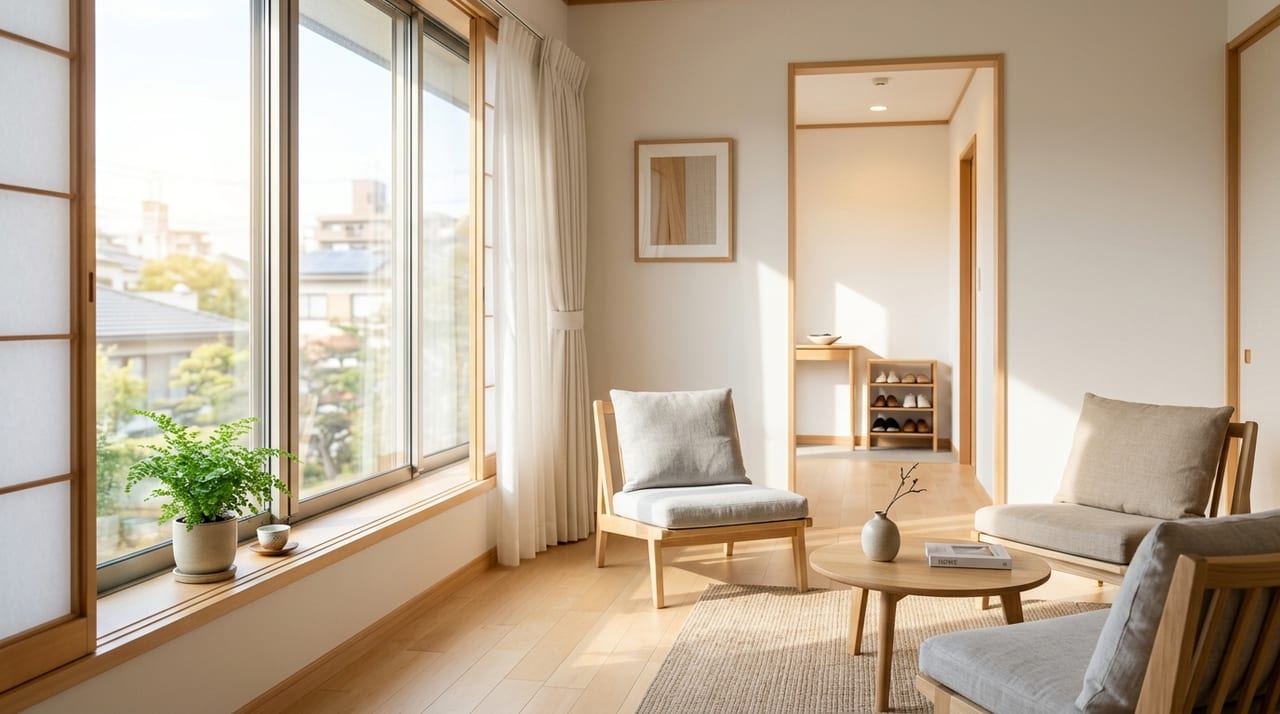
Studio and one-room rentals have limited square footage, but thoughtful furniture selection and strategic placement can create a comfortable interior. This guide explains layout techniques to make small rooms feel spacious, how to choose multi-functional furniture, and the smart use of color and lighting to create visual expansiveness—all with real-world examples.
Studio & One-Room Rental Furniture Arrangement & Interior Design Techniques—Making Small Spaces Feel Bigger: Real-World Examples
#Studio#Interior Design#Furniture Placement#Solo Living#Space Optimization
森

Reviewed by: Nobuyuki MoriPresident, M-Assets Co., Ltd. / Licensed Real Estate Transaction Specialist (Miyagi #018212)

Table of contents

  1. 01Comfort in Studio & One-Room Interiors Depends 90% on Placement
  2. 02What to Decide First: Furniture Placement in One-Room Rentals
  3. 03Zoning (Dividing Living Areas)
  4. 04Ensuring Clear Traffic Flow
  5. 05Placement Techniques to Make Spaces Feel Larger
  6. 06Keep Furniture Low
  7. 07Bed Placement: Under Window or Against Wall
  8. 08Converting Dead Space into Storage
  9. 09Making the Most of Multi-Functional Furniture
Related

Other columns

Furniture Layout Basics and Practical Techniques for Making Small 1K and Studio Apartments Feel Spacious

The comfort of a solo living 1K or studio apartment depends heavily on furniture placement. This article explains practical advice from rental professionals, covering everything from basic principles to make a room feel spacious, to how to divide living zones, measuring tips before moving, and how to choose multifunctional furniture.

Complete Guide to Furniture Layout in Studio and One-Room Apartments: Room-by-Room Arrangement Tips (6, 8, and 10 Tatami)

We explain furniture layout for studio (one-room) and 1K apartments by room size (6, 8, and 10 tatami mats). We introduce optimal placement of beds, desks, and storage, practical room layout examples, and furniture selection tips for foreign residents arriving in Japan.

Bringing in Furniture and Appliances and Arrangement Techniques—Tips for Using Small Rooms Broadly and Reducing a Sense of Confinement

How to efficiently use limited rental space through furniture selection, arrangement methods, and techniques for reducing a sense of confinement. Real estate experts systematically explain optimal layouts for different room types (studios, 1K, 1DK), furniture items for maximizing storage without waste, and the order of appliance placement. Interior design tricks for making spaces appear larger are also introduced.

The Difference Between Studio, 1K, 1DK, and 1LDK — A Comprehensive Comparison of Room Layouts and How to Choose

Back to columns
  • 10Sofa Bed
  • 11Folding Table
  • 12Desk-Integrated Bed (Loft Bed)
  • 13Stool & Ottoman
  • 14Color & Lighting: Creating Visual Spaciousness
  • 15Color Scheme
  • 16Lighting
  • 17Using Mirrors
  • 18Lifestyle Adjustments for a Comfortable One-Room Rental
  • 19Balancing "Visible" and "Hidden" Storage
  • 20A "Less Is More" Lifestyle
  • 21Summary: The Rules for Successful One-Room Interior Design
  • Comfort in Studio & One-Room Interiors Depends 90% on Placement

    Studio and one-room rentals pack a "kitchen + living room + bedroom" into a single space. Within a limited 6–8 tatami-mat area, you must fit your entire lifestyle.

    Yet even a room that feels tight and cramped can become surprisingly comfortable with the right furniture choices and placement strategy. This guide walks you through practical ways to transform your studio or one-room rental into a truly livable interior.

    What to Decide First: Furniture Placement in One-Room Rentals

    Zoning (Dividing Living Areas)

    To live comfortably in a one-room rental, it's crucial to intentionally divide your limited space into distinct "living zones."

    Basic Zone Division:

    • •Sleep Zone: The area where your bed sits. Position it away from the window or use a room divider.
    • •Work & Dining Zone: Where your desk and dining table go. Placing it near the window lets you take advantage of natural light.
    • •Relaxation Zone: Where your sofa and floor cushions are located.

    In a 6–8 tatami-mat one-room rental, laying down a rug visually defines "this is the relaxation zone."

    Ensuring Clear Traffic Flow

    No matter how well you arrange your furniture, if your traffic flow is blocked, living becomes uncomfortable.

    Basic Traffic Flow Rules:

    • •Entryway to room passage: maintain at least 60 cm width
    • •Bed perimeter (at least on one side): allow 60 cm or more of space
    • •Desk, drawer, and door clearance: ensure adequate space for opening and closing

    Placement Techniques to Make Spaces Feel Larger

    Keep Furniture Low

    When your sightline stays low, the ceiling appears higher and the room feels more spacious.

    Recommended Furniture Heights:

    • •Bed: Floor bed (10–15 cm high) or low-profile bed (30 cm or less)
    • •TV stand / Low board: 40 cm or less
    • •Chest / Storage: around 80–100 cm (don't exceed window height)

    Bed Placement: Under Window or Against Wall

    Placing your bed in the center of the room blocks traffic flow. Position it under the window or against a wall to keep the center of the room open and spacious.

    Converting Dead Space into Storage

    To maximize limited floor space in a one-room rental, "utilizing dead space" is key.

    • •Under-bed space: Use a bed with built-in drawers or line up storage boxes.
    • •Above-door space: Install shelving for seasonal items.
    • •Walls: Vertical storage using tension rods and wall shelves.

    Making the Most of Multi-Functional Furniture

    In a one-room rental, choosing "multi-functional furniture" that serves multiple roles helps you save precious space.

    Sofa Bed

    Use it as a sofa for relaxation, then unfold it as a bed at night. Since daily folding and unfolding becomes tedious, choose one that matches your body type and how often you'll actually use it.

    Folding Table

    Use it as a dining table and fold it down to lean against the wall when not needed. A width of 60–80 cm (one person's meal and work space) is the most practical size.

    Desk-Integrated Bed (Loft Bed)

    A loft bed with a desk and storage built underneath uses vertical space to separate your sleeping area from your work area. This works best in units with ceilings 2.2 m or higher.

    Stool & Ottoman

    A stool that doubles as a footrest and storage box is a true multi-tasker for one-room living.

    Color & Lighting: Creating Visual Spaciousness

    Color Scheme

    • •Unify walls, curtains, and rugs in light colors like white, beige, or light gray: Creates the illusion of a larger space.
    • •Limit accent colors to 1–2: Too many colors create visual clutter.

    Lighting

    • •Use indirect lighting (floor lamps, table lamps): Multiple light sources create a sense of depth.
    • •Warm white bulbs (warm orange tone) for the relaxation zone: Promotes relaxation.
    • •Daylight / natural white bulbs for the work zone: Boosts focus and concentration.

    Using Mirrors

    A large mirror on the wall reflects space and makes it feel bigger. For rentals, "mirror panel" types that don't require wall holes are ideal.

    Lifestyle Adjustments for a Comfortable One-Room Rental

    Balancing "Visible" and "Hidden" Storage

    • •Visible storage: Display items that look good as decor (books, plants, dishes) on open shelves.
    • •Hidden storage: Keep everyday items (toiletries, clothes, documents) in boxes and drawers.

    A "Less Is More" Lifestyle

    The foundation of comfortable one-room living is "owning less." When moving in, consciously bring only what you truly need. Make it a habit to sell excess items on resale apps or discard them rather than let them overflow your storage.

    Summary: The Rules for Successful One-Room Interior Design

    • •Zoning: Visually separate your sleep, work, and relaxation areas.
    • •Low profile: Keep furniture heights down to make ceilings feel higher.
    • •Multi-functional furniture: Use pieces that serve multiple purposes to save space.
    • •Vertical storage: Maximize dead space (under bed, on walls).
    • •Light color palette: Unify whites, beiges, and grays to create visual spaciousness.
    • •Indirect lighting: Layer light sources to add depth and ambiance.
    • •Minimalist ownership: Keep what you bring to a minimum and leave breathing room in storage.

    Studio and one-room rentals are spaces full of creative potential. Make your interior truly your own.

    Related Columns

    • 収益JP

      不動産投資家のためのAIツール

      投資判断を支援するAI活用

    • 収益JP

      2026年金利戦略

      不動産投資家向けの金利動向と戦略

    • 収益JP

      仙台不動産市場の2026年課題

      仙台エリアの投資マーケット分析

    Categories

    • Contracts & Procedures215
    • Moving In129
    • Daily Life288
    • Area & Environment111
    • Costs & Finances118
    • Safety & Disaster Prevention72

    Popular tags

    #Move-out Restoration85#Property Selection70#Solo Living67#Average Rent

    When apartment hunting in Japan, you'll frequently encounter terms like "studio," "1K," and "1LDK." This guide explains the key differences and how to choose the right layout based on your lifestyle.

    Declutter Your Rental Home! Smart Tips for Using Storage Units and External Storage

    A complete guide to choosing and using storage units to solve rental housing storage shortages, including costs, pitfalls, differences between outdoor and indoor options, and tips for successful use.

    Complete Guide to Choosing Internet Service for Rental Apartments

    Internet connectivity at rental properties is a critical factor to verify before moving. This guide provides expert rental advice on the characteristics, costs, and construction considerations for each option—from built-in Wi-Fi to fiber-optic lines and home routers.

    Sister sites

    Shueki JP

    Investment properties & yield insights

    Senkyaku

    Commercial & retail tenant brokerage

    62
    #Foreigners60
    #Rental Contracts59
    #Initial Costs51
    #Property Viewing50
    #Rentals47
    #Guarantor Company36
    #Area Selection36
    #Tenant Screening36
    #Cost Savings32
    #Moving31
    #Property Management31
    #Move-Out Costs30

    Columns

    • 床スラブ厚と上階の足音問題——賃貸で「ドン」という衝撃音が響く構造的な理由と物件選びのポイント

    • 前橋・群馬の賃貸エリアガイド【2026年版】——主要エリア別家賃相場と住みやすさを徹底比較

    • Making the Most of Protruding Beams and Columns in Rental Apartments — Smart Furniture Placement Strategies

    • Mito & Ibaraki Rental Area Guide [2026] — Comprehensive Explanation of Rental Rates and Livability by Major Area

    • Uncovering Property Issues by Asking Previous Tenants About Their Departure—Questions to Ask During Viewings and How to Interpret Answers

    Previous article

    ← Barbecue and Yakiniku in Rental Properties — Rules on Permissibility and How to Prevent Neighbor Disputes

    Next article

    Hybrid Work Near Coworking Spaces: A Complete Guide to Area Selection, Cost Calculation, and Property Inspection →