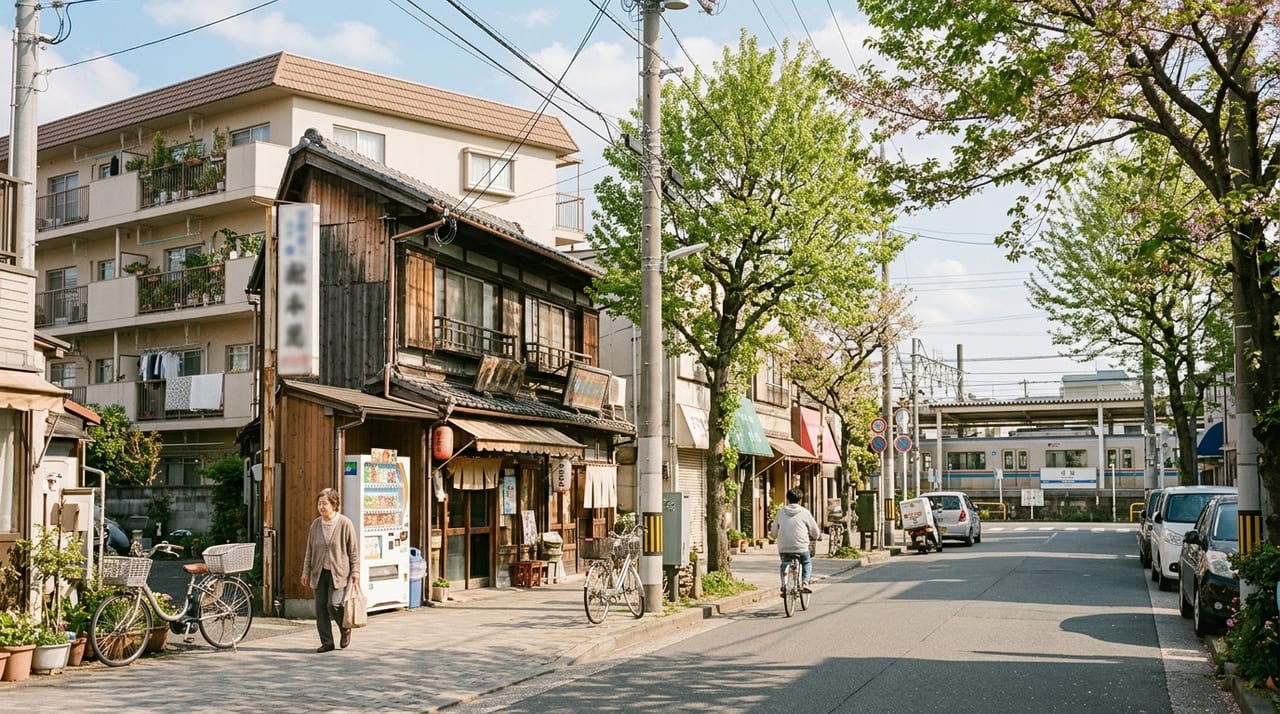
Sendai, while being the largest city in the Tohoku region, is renowned for its livability—just a short distance from the city center, green-filled quiet residential neighborhoods unfold. While students, single expatriates, and families continue to arrive, for those seeking distance from the bustle of entertainment districts, "which areas offer quiet and livable environments?" becomes a major consideration. This article maps out the characteristics, rental rates, transportation access, and lifestyle convenience of areas recognized as quiet residential neighborhoods in Sendai, based on the latest 2026 trends. Use this as a resource when choosing your rental property.
Conditions for a "Quiet Residential Neighborhood" in Sendai
Areas considered quiet in Sendai share several common conditions. First, they are low-rise residential areas set back one block from major arterial roads. Second, they maintain adequate distance from commercial entertainment districts while ensuring access via subway or bus. Third, they are close to waterways such as the Hirose River and Shichikata River, and green spaces like Daihara Forest Park and Nishi Park, maintaining a good living environment.
Sendai has long been called the "City of Trees," and residential streets feature abundant zelkova and ginkgo tree-lined avenues, with each neighborhood forming a distinctive, serene landscape. Areas with light late-night foot traffic and well-maintained patrol presence and street lighting enjoy support from single women and elderly residents alike. In 2026, with remote work now established, the trend of prioritizing living environment over office proximity continues, and demand for quiet residential neighborhoods remains steady.
Aoba-ku Area — Uesugi, Kitayama, Kaigamori
If you want convenience near Sendai Station while maintaining quiet, Aoba-ku residential areas are the top choice. Uesugi, adjacent to government offices and the business district, features a calm streetscape with mid-rise condominiums and single-family homes mixed together, within walking distance of Kitashichibancho Station. For 2026, studios (1K) for singles rent for ¥65,000–¥80,000, while family-size 2LDK units range from ¥110,000–¥140,000.
Kitayama, a historic residential area dotted with temples and shrines, is within walking distance of Kita-Sendai and Kitayama stations. While hilly, it offers excellent views from elevated areas and exceptional quiet, with 1LDK units around ¥70,000–¥90,000. Kaigamori, primarily served by bus, is a suburban quiet area with spacious single-family homes and low-rise apartments, offering attractive pricing with 2LDK units around ¥85,000–¥105,000. All three areas have light nighttime traffic and are particularly popular with families raising children.
Taihaku-ku Area — Yagiyama, Nagamachi-Minami, Tomizawa
Taihaku-ku, centered along the Subway Namboku Line, features extensive quiet residential neighborhoods. Yagiyama, with abundant parks and green spaces, is popular as a residential area anchored by Yagiyama Zoo Station. With higher elevation and relatively cool summers, studio (1K) rents are moderate at ¥58,000–¥75,000, lower than Aoba-ku.
Nagamachi-Minami boasts high lifestyle convenience centered around The Mall Sendai Nagamachi; a short distance from the station reveals orderly mid-to-low-rise condominium neighborhoods, with family 2LDK units ranging from ¥100,000–¥125,000. Tomizawa is a relatively new lot-subdivision area with wide roads and good sightlines. Family properties within a 10-minute walk of the station range from around ¥95,000–¥120,000, and young families continue to move in. The appeal of Taihaku-ku overall is that it offers single-line subway access to central Sendai with relatively moderate rents.
Miyagino-ku and Izumi-ku Areas — Tsuruoka, Shoken, Yaotome
Tsuruoka in Miyagino-ku, within walking distance of Sendai Station yet adjacent to the green of Tsuruoka Park, is being reevaluated as a near-urban-center quiet residential area. New condominiums continue to be supplied, with 2026 rates at ¥80,000–¥100,000 for 1LDK and ¥120,000–¥150,000 for 2LDK.
Izumi-ku centers on suburban residential areas; Shoken is a large residential development built in the 1970s–80s. It is characterized by calm streetscapes and spacious lots, with 2LDK units at ¥80,000–¥100,000. Yaotome, near the terminus of the Namboku Subway Line, balances station-area lifestyle convenience with quiet distance from the hub. At ¥70,000–¥85,000 for 1LDK, it offers relatively high transportation convenience within Izumi-ku. While commercial development advances around Izumi-Chuo Station, a few bus stops away becomes suddenly quiet; checking walkable radius and noise environment on-site during property selection minimizes mistakes.
Transportation Access and Real Commute/School Conditions
Many prefer not to sacrifice quiet for longer commute times. Sendai City is covered by two subway lines—the Namboku and Tōzai lines—running north-south and east-west; major residential areas reach Sendai Station within 15–25 minutes. Aoba-ku Uesugi and Kitayama take 10–15 minutes; Taihaku-ku Nagamachi-Minami and Tomizawa take 15–20 minutes; Izumi-ku Yaotome takes 20–25 minutes.
Bus routes are also comprehensive; even areas distant from subway such as Kaigamori and Shoken maintain service frequencies during morning and evening peaks. However, winter snow and icy roads can disrupt bus schedules, so confirming alternative routes during snowy conditions provides peace of mind. Households with personal vehicles should factor parking fees (¥5,000–¥15,000 monthly, higher closer to the center) into total costs.
Checklist to Avoid Mistakes When Choosing a Property
To maximize satisfaction with quiet residential rentals, thorough inspection is key. First, check noise levels, foot traffic, and street lighting at different times—mornings, evenings, and nights—on weekdays. Even if quiet during the day, proximity to major roads, schools, or restaurants can dramatically change the impression depending on the hour.
Second, hills and snow preparation. Winter freezing is daily in Sendai, and steep-slope areas restrict walking and cycling. Actually walk the shortest route to the property and check the gradient. Third, the location of supermarkets, drugstores, and medical facilities. Quiet areas have fewer commercial facilities, so access to daily essentials within a 10-minute walk is important.
Finally, soundproofing and insulation performance. In quiet areas with many older properties, even if the exterior is quiet, indoor noise leakage and cold can be problematic. During inspection, definitely check for double-sash windows, wall thickness, and the age of water-heating equipment. The 2026 Sendai rental market enjoys stable supply-demand balance; by taking your time to compare multiple properties, you should find a home that combines quiet with livability.