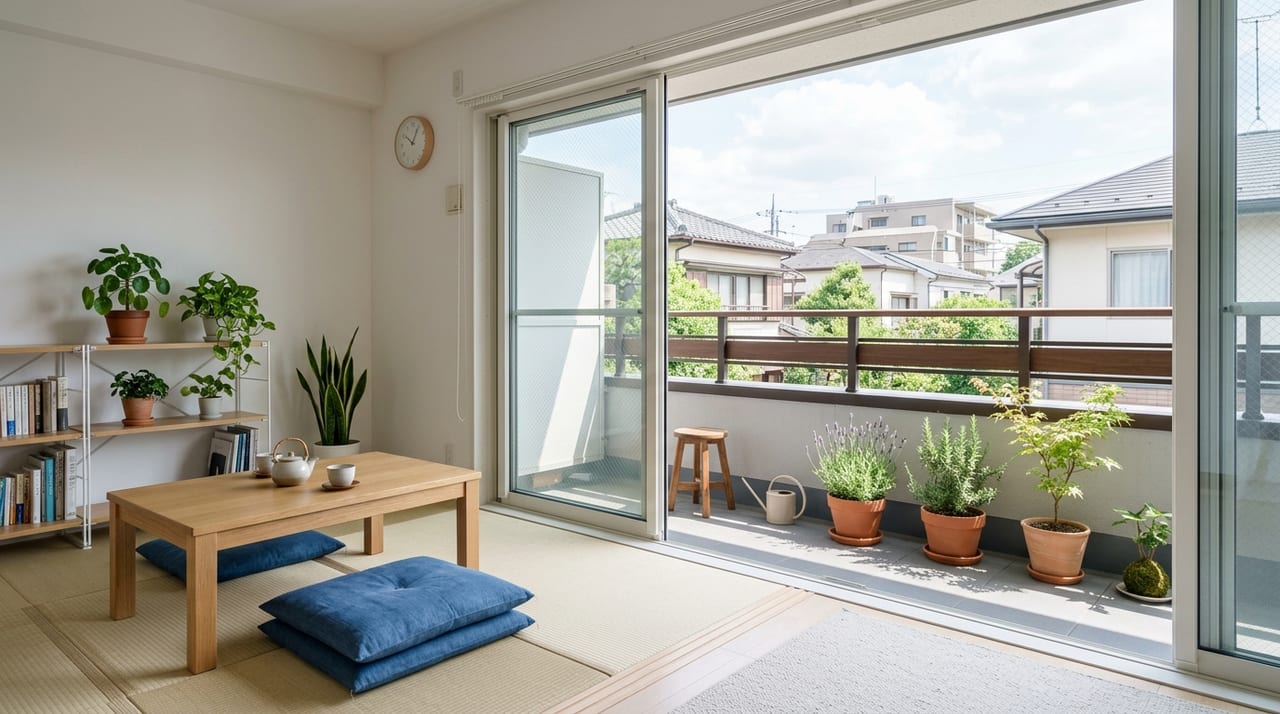
Decorating Rules for Rentals—What You Need to Know to Avoid Move-Out Troubles
Even in a rental apartment, you can create a space you love with some creativity. However, since you have an obligation to restore the property to its original condition upon move-out, it's important to understand what modifications are permitted. This article explains the practical rules for what you can and cannot do when decorating a rental.
When living in a rental apartment, most people have felt the desire to create a space that feels more like "home." Simply rearranging furniture, hanging artwork, or changing lighting fixtures can dramatically transform a room's atmosphere. However, rental apartments come with an obligation called "restoration to original condition"—you must return the room to its pre-move-in state when you leave. For this reason, it's important to clearly understand what redecorating is permitted and what might cause problems later. This article outlines what you can do to personalize your rental and provides practical knowledge to help you avoid move-out troubles.
The Basics of Restoration Obligations—What Needs to Be Returned to Original Condition
Restoration to original condition refers to returning the rental apartment to the same state it was in when you moved in. However, this doesn't mean "exactly identical"—the correct interpretation is that tenants have an obligation to repair damage and wear caused by their own intentional actions or negligence. The Japanese Ministry of Land, Infrastructure, Transport and Tourism's "Guidelines on Restoration to Original Condition and Related Disputes" explicitly states that discoloration and scratches from normal wear and tear (natural aging) should not be the tenant's responsibility.
Problems arise when you make holes in walls with nails or screws, create large scratches or stains on wallpaper, or repaint walls or floors—in other words, "damage caused by tenant actions." Such modifications may result in repair costs being billed to you at move-out. To prevent move-out disputes, it's highly effective to photograph the room's condition when you move in.
Interior Modifications That Are OK in Rentals—Non-Damaging Approaches
Among the various ways to enjoy interior decoration, products that don't require making holes are particularly convenient.
For wall decorations, small holes like those from pushpins are often not included in move-out costs (though this varies depending on your lease and property management company, so you should confirm). Safer options include adhesive hooks (like Command Hooks by 3M) or double-sided tape applied over painter's tape. Using these methods, you can hang shelves, photo frames, and calendars on walls and restore the room to original condition with minimal marks remaining.
Protecting your floors is also important. Place felt pads or scratch-prevention mats under large furniture to avoid scratches and dents on the floor. Laying down a rug or carpet protects the floor and simultaneously transforms the room's atmosphere.
Regarding lighting replacement, if you keep the original fixtures, you can reinstall them when you move out, so replacing ceiling lights or pendant lights typically isn't a problem. However, lighting installations that involve extensive electrical work require approval from the property management company.
Interior Modifications Requiring Caution in Rentals—Things You Must Confirm Beforehand
The following interior modifications and renovations require advance approval from the property management company or landlord. Proceeding without permission may result in unexpected move-out charges and disputes.
Hammering nails or screws into walls can result in repair charges if there are multiple holes, even small ones. However, some lease agreements may permit a certain number of nail holes. Be sure to review your lease terms.
Wallpaper replacement and painting generally require approval from the property management company. In recent years, more rentals are marketed as "DIY-friendly" with no restoration obligations, and these properties allow customization within the management company's approved scope. With standard rentals, you would be responsible for the full cost of restoring the original wallpaper upon move-out.
Any work that involves adding equipment such as air conditioners or performing plumbing work requires advance permission. Unauthorized work could result in restoration costs running into hundreds of thousands of yen.
Furniture and Appliance Selection—Tips for Maximizing Your Rental Space
When personalizing a rental room, choosing the right furniture and appliances is also important. Here are some tips specific to rental living.
Choose furniture sizes that fit your room. Before moving, be sure to measure the space carefully and confirm that large items like sofas, beds, and cabinets won't block pathways. Oversized furniture can make a room feel cramped.
Color coordination is an area where rental-specific creativity works well. By matching furniture and décor colors to your wallpaper (typically white or off-white), you create a cohesive space. Adding accent colors through textiles like cushions, curtains, and rugs allows you to refresh your space without major expenses.
Choose appliances based on your rental's voltage and outlet configuration. Japan's standard voltage is 100V, and using foreign-made appliances without a converter can cause malfunction or safety hazards. Also, check the location and number of outlets before moving in, and if you need extension cords, use products that meet safety standards.
What to Check Before Move-Out—How to Properly Remove Decorations
Once you've decided to move out, compare photos taken when you moved in with the current condition to identify any changes you've caused. In some cases, you can address minor issues like adhesive hook residue or slight floor indentations from furniture.
After removing all posters and shelves from walls, residual adhesive marks can be carefully cleaned with an alcohol-based cleaner. However, avoid using strong solvents that might damage the wallpaper, as this could be counterproductive.
With rental interior design, the basic principle is to choose methods that don't damage the property. With the right tools and knowledge, you can absolutely create a space that reflects your personality. If you're looking for a rental in Sendai, try comparing properties on sumuie while filtering by facility requirements. The site also lists DIY-friendly properties and units with distinctive interiors. Before moving in, consult with M-Assets to get specific guidance on what modifications are permitted.
A comprehensive guide to DIY customization techniques you can confidently use in a rental property. We've compiled restoration-friendly methods for wallpaper, flooring, and lighting—including peel-and-stick wallpaper, floating floor tiles, and ceiling light replacements—along with essential precautions for move-out.