
Skip to content
SUMUIEスムイエ
PropertiesMoving GuideQuiz
Articles
ColumnsContracts & ProceduresMoving InDaily LifeArea & EnvironmentCosts & FinancesSafety & Disaster Prevention
AboutContact Us
JAEN
SUMUIEスムイエ

Search and compare rental properties across Japan.

Navigation

  • Home
  • Properties
  • Moving Guide
  • Move-in cost calculator
  • About
  • Articles
  • Contact Us
  • FAQ

Member menu

  • My page
  • Member sign-up (free)

Company menu

  • List your properties
  • Company admin
  • Company sign-up (free)

Articles

  • Contracts & Procedures
  • Moving In
  • Daily Life
  • Area & Environment
  • Costs & Finances
  • Safety & Disaster Prevention

About us

  • Company
  • Privacy policy
  • Terms of use

Search by area

HokkaidoTohokuKantoChubuKansaiChugokuShikokuKyushu & Okinawa

Popular prefectures

TokyoKanagawaOsakaAichiFukuokaHokkaidoMiyagiHyogoView all areas →

Sister sites

Shueki JPInvestment properties & yield insightsSenkyakuCommercial & retail tenant brokerage

© 2026 SUMUIE. All rights reserved.

HomePropertiesFavoritesContact Us
  1. Home
  2. Columns
  3. Contracts & Procedures
  4. Measures Against Renewal Refusal and Eviction Requests: Standards for Judging Proper Cause and Legal Counsel
Contracts & Procedures

Measures Against Renewal Refusal and Eviction Requests: Standards for Judging Proper Cause and Legal Counsel

2026-04-26

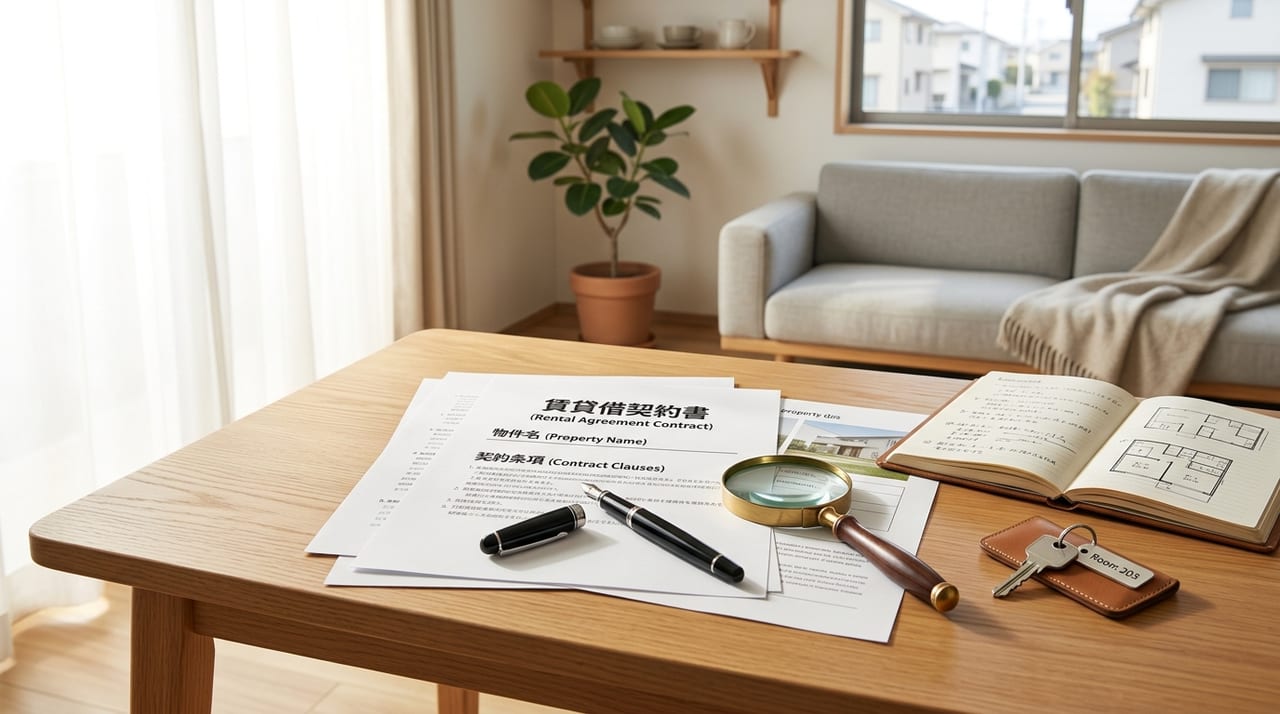
In rental agreements, landlords cannot refuse renewal or demand eviction without proper cause. This article explains the standards for judging proper cause, typical relocation compensation amounts, how to work with attorneys, and how foreign residents can address common issues.

Measures Against Renewal Refusal and Eviction Requests: Standards for Judging Proper Cause and Legal Counsel
#Renewal Refusal#Tenant Eviction#Tenant Rights#Justifiable Cause#Relocation Allowance
森

Reviewed by: Nobuyuki MoriPresident, M-Assets Co., Ltd. / Licensed Real Estate Transaction Specialist (Miyagi #018212)

Table of contents

  1. 01Legal Rules on Renewal Refusal in Standard Leases
  2. 02Typical Relocation Compensation Amounts
  3. 03Steps to Take When Receiving a Non-Renewal Notice
  4. 04Handling the End of a Fixed-Term Lease Without Renewal
  5. 05Addressing Common Issues Faced by Foreign Residents

Legal Rules on Renewal Refusal in Standard Leases

Under the Building and Land Lease Law Article 28, standard leases require "proper cause" for landlords to refuse renewal or request lease termination. This is a strong protective provision designed to safeguard tenants' right to housing.

Cases Where Proper Cause Is Likely to Be Recognized:

  • •Significant deterioration of the building necessitates reconstruction or demolition (and relocation compensation is provided)
  • •
Related

Other columns

How to Handle Lease Non-Renewal and Eviction Notices—A Complete Guide to Tenant Rights and Legal Justification

Even if your lease renewal is denied or you receive an eviction notice, tenants have legal protections under Japanese law. This guide explains the legal justification requirements, notification deadlines, eviction compensation standards, and countermeasures you should know about.

Rental Contract Renewal and Non-Renewal Grounds: Foreign Tenants' Rights Protected Under the Land and House Lease Act, Article 28

This article explains the renewal process flow and renewal fee ranges, concrete examples of "valid grounds" recognized for landlord refusal, eviction compensation standards, and important timing considerations for foreign tenants coordinating visa status updates with lease renewals.

When You're Asked to Vacate Due to Building Redevelopment—Tenant Rights and Negotiation Strategies

When a rental property owner asks you to vacate for redevelopment, what rights do tenants have? This article explains, from an expert perspective, the legitimate grounds requirements protected by the Rent and House Lease Act, and key points for negotiating relocation compensation.

How to Handle Non-Renewal Notices and Lease Non-Renewals — Tenant Protection Under the Lease and House Act and Negotiation Strategies

Back to columns
The landlord needs the property for personal use (the landlord or family members intend to move in)
  • •The tenant has committed a serious breach of contract (prolonged non-payment of rent or illegal conduct)
  • Cases Where Proper Cause Is Unlikely to Be Recognized:

    • •Merely to increase the rent
    • •The landlord merely claims verbally that reconstruction is planned
    • •The tenant's foreign status alone (discriminatory refusal to renew is illegal)

    Typical Relocation Compensation Amounts

    Even when renewal refusal or lease termination is justified, the landlord must pay the tenant reasonable compensation (relocation fee).

    Relocation Fee Guidelines:

    • •Relocation due to reconstruction: 6–24 months of rent (considering length of occupancy, moving costs, relocation expenses, etc.)
    • •Relocation due to landlord's personal use: 3–12 months of rent
    • •The actual amount is determined through negotiation or litigation

    If you feel the relocation fee is insufficient, you can negotiate. It is not uncommon for the fee to increase significantly when negotiated through an attorney.

    Steps to Take When Receiving a Non-Renewal Notice

    STEP 1: Verify the Contents of the Notice

    Confirm that you have received a formal written notice. Verbal non-renewal notices have limited legal force; written notification is the standard for legally valid notice.

    STEP 2: Verify the Notice Is Legally Valid

    Non-renewal notices for standard leases must be given 6 months to 1 year before the lease expiration (Building and Land Lease Law Article 26). Notices that fail to meet this timeline are invalid.

    STEP 3: Verify Whether Proper Cause Exists

    Check whether the reason for non-renewal constitutes proper cause. If the reason is unclear or not justified, submit a written request asking the landlord to disclose the reason for non-renewal in writing.

    STEP 4: Consult with an Attorney or Legal Services

    Consult with the Legal Services Organization (Houterasu) for free legal advice at 0570-078374 or with a private attorney about the validity of the non-renewal, typical relocation fees, and countermeasures.

    Handling the End of a Fixed-Term Lease Without Renewal

    Fixed-term leases automatically terminate at the end of the period (there is no renewal option). However, in the following cases, tenants can request continuation:

    • •The landlord failed to provide notice at the proper time (fixed-term leases of 1 year or longer require 6 months to 1 year's notice)
    • •A renewal or renegotiation is possible (verbal agreements were made, etc.)

    Addressing Common Issues Faced by Foreign Residents

    Foreign residents sometimes face unjustified non-renewal refusals or eviction demands based on "visa status concerns," "language barriers," or "poor communication with neighbors."

    Non-Renewal Based on Visa Status:

    Non-renewal based solely on visa type or duration is generally not permitted. You have the right to continue living in the property as long as your visa status is valid.

    Unjust Eviction Demands Based on Language Barriers:

    There are cases where landlords exploit language barriers to get tenants to sign inappropriate documents. Legal consultations in foreign languages are available through the Legal Services Organization, the Foreign Residents Support Center (FRESC), and foreign resident consultation offices in various locations.

    Related Columns

    • 収益JP

      不動産投資家のためのAIツール

      投資判断を支援するAI活用

    • 収益JP

      2026年金利戦略

      不動産投資家向けの金利動向と戦略

    • 収益JP

      仙台不動産市場の2026年課題

      仙台エリアの投資マーケット分析

    Categories

    • Contracts & Procedures215
    • Moving In129
    • Daily Life288
    • Area & Environment111
    • Costs & Finances118
    • Safety & Disaster Prevention72

    Popular tags

    #Move-out Restoration85#Property Selection70#Solo Living67#Average Rent

    This guide explains the legal rights tenants should know when facing non-renewal notices, the criteria for legitimate grounds for non-renewal, negotiation strategies for relocation compensation, and practical steps to remain in your home.

    Rental Lease Renewal: Key Points and Checklist | Renewal Fees, Condition Changes, and Renewal Refusal

    We explain the key points to confirm as your rental lease renewal date approaches. This guide covers renewal fee rates, timing for rent negotiations, contract condition changes, and rules on renewal refusal.

    Fixed-Term Lease Pitfalls: Why Renewal Is Not Possible and Complete Explanation of Relocation Risks

    Fixed-term leases operate on a no-renewal principle. If you sign without understanding this, you may face forced eviction when the contract expires. Experts provide a thorough explanation of how they work, the risks involved, and how to identify them.

    Sister sites

    Shueki JP

    Investment properties & yield insights

    Senkyaku

    Commercial & retail tenant brokerage

    62
    #Foreigners60
    #Rental Contracts59
    #Initial Costs51
    #Property Viewing50
    #Rentals47
    #Guarantor Company36
    #Area Selection36
    #Tenant Screening36
    #Cost Savings32
    #Moving31
    #Property Management31
    #Move-Out Costs30

    Columns

    • 床スラブ厚と上階の足音問題——賃貸で「ドン」という衝撃音が響く構造的な理由と物件選びのポイント

    • 前橋・群馬の賃貸エリアガイド【2026年版】——主要エリア別家賃相場と住みやすさを徹底比較

    • Making the Most of Protruding Beams and Columns in Rental Apartments — Smart Furniture Placement Strategies

    • Mito & Ibaraki Rental Area Guide [2026] — Comprehensive Explanation of Rental Rates and Livability by Major Area

    • Uncovering Property Issues by Asking Previous Tenants About Their Departure—Questions to Ask During Viewings and How to Interpret Answers

    Previous article

    ← Is Unauthorized Landlord Entry Illegal? Legal Remedies, Key Replacement, and Notification Methods

    Next article

    Risks and How to Identify Sublease and Master Lease Contracts →