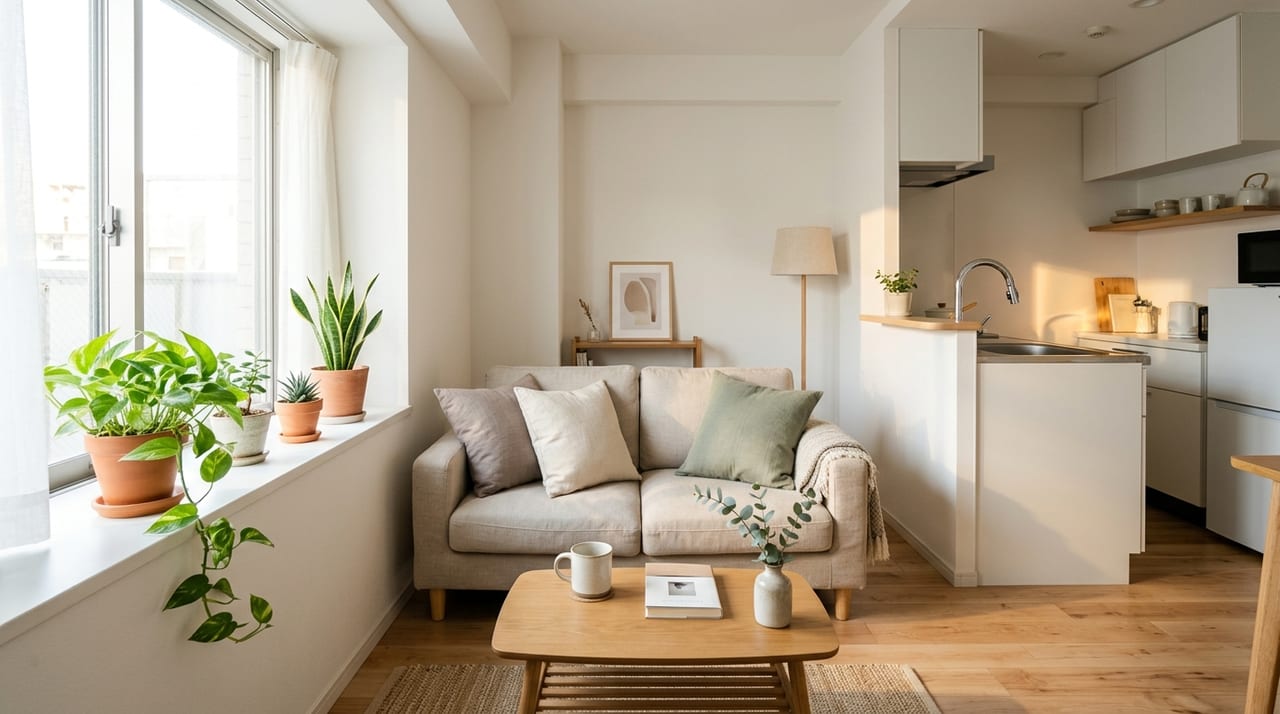
A Complete Guide to Japanese Apartment Living Etiquette and Rules for Foreigners
Japanese apartment buildings have their own unique etiquette, including rules about noise, garbage disposal, use of common areas, and greetings to neighbors. By understanding these rules in advance, you can build positive relationships with your neighbors and enjoy a comfortable rental life free from disputes.
When you move to Japan and start living in an apartment building, it's not uncommon to feel confused by the lifestyle rules that differ from your home country. Japanese apartments and condominiums have detailed etiquette that residents must follow to live comfortably together. Since these are often "unwritten rules" rather than legal requirements, you may inadvertently cause disputes with neighbors if no one explains them to you.
In this column, we explain five key categories of etiquette that foreign residents should know about when living in Japanese apartment buildings. By also understanding the Japanese values that underlie these rules, you'll be able to build smoother relationships with your neighbors.
Noise Is the Leading Cause of Disputes—Careful Sound Awareness
Noise is the most frequently cited cause of neighbor disputes in Japanese apartment buildings. Japanese buildings, especially those with wooden or lightweight steel frame construction, have thin walls and floors that easily transmit everyday sounds to adjacent units and floors above and below. This is why Japanese residents are accustomed to consciously keeping noise levels down during their daily lives.
As a general courtesy, it is an unwritten rule to be especially quiet after 10 p.m. What surprises newcomers from abroad is that many Japanese feel that even "normal conversation" can be heard in neighboring units. Even if you're enjoying a conversation with friends, it may be clearly audible to your neighbors. When hosting a home party, schedule it during daytime hours, and consider going out to enjoy yourselves elsewhere if you're expecting a large number of guests.
It is considered polite to avoid using vacuum cleaners, washing machines, and dryers before 8 a.m. or after 9 p.m. In households with children, running around and jumping indoors can create significant noise for residents below. You can show consideration to your neighbors by taking measures such as laying soundproof mats. When enjoying music or videos, use headphones, and be sure to keep your TV volume low, especially at night.
Garbage Disposal Rules Are Strict—Always Follow Separation and Collection Days
Garbage disposal rules are one of the first points where foreign residents feel confused. In Japan, each municipality has strict waste separation rules. Trash is divided into categories such as "burnable waste," "non-burnable waste," "plastic bottles," "cans, bottles, and glass," and "cardboard and paper," with different collection days for each type.
The basic rule is to put out trash on designated days in the morning (by 8 a.m. in most areas) at designated collection points. Many collection areas prohibit putting out trash the night before, so always check the garbage collection calendar distributed by your management company or municipality. Trash that doesn't follow proper separation won't be collected and will remain at the collection point. Leaving it there inconveniences your neighbors and may even lead to trouble if residents identify whose trash it is.
Large furniture and appliances must be disposed of as "oversized waste" and require separate application with a disposal fee. Never place them near garbage collection points or roadside areas without permission. You need to be especially careful during moves.
Common Areas Belong to Everyone—Etiquette for Hallways, Entrances, and Bicycle Parking Areas
There are also uniquely Japanese rules about how to use common areas such as hallways, entrances, stairs, elevators, bicycle parking areas, and trash disposal areas. First and foremost, it is basically prohibited to place personal items in shared hallways or on stairs. Leaving shoes, bicycles, umbrella stands, or potted plants in the hallway is not acceptable. Most properties strictly prohibit this both for safety reasons (to keep evacuation routes clear) and in their management rules.
Close doors in entrances and hallways quietly. Slamming doors, especially when returning home late at night or early in the morning, echoes throughout the building and disturbs residents. Even when you have visitors, keep your voice low when speaking in the entrance area. In elevators, it's customary to ride in silence, but a slight bow when getting on or off makes a much better impression.
Park your bicycle only in your designated space and be careful not to obstruct other residents from removing their bicycles. Motorcycles may only be parked in designated motorcycle spaces if available. For parking lots, parking in spaces other than your contracted space is strictly prohibited.
Moving-Day Greetings and Daily Neighbor Relations—Balancing Courtesy and Distance
In Japan, it is customary to greet your neighbors when you move—specifically the residents in the units to the left and right, as well as above and below (and sometimes directly across in condominiums). This is not merely a formality but a sincere gesture that says "thank you for your consideration going forward" and is an important step in starting your relationship with neighbors on good terms. It is common to bring gifts such as cookies, detergent, or towels, but a simple gift in the 1,000–2,000 yen range is sufficient.
Nowadays, especially in urban areas, some neighbors don't have close relationships, and some residents don't even do greeting rounds. Additionally, single women living alone may avoid answering the door for security reasons. Nonetheless, a simple bow when you encounter your neighbors in the hallway or elevator will give them the impression that you're a considerate resident.
The modern Japanese apartment building culture emphasizes a balanced distance: "not too involved with neighbors, but always observing basic courtesy." When disputes arise, it's often better to work through your management company rather than directly confronting your neighbor, as this typically leads to smoother resolution.
Balconies, Pets, and Smoking—Important Rules You Must Check in Your Lease
When living in an apartment building, you must also follow the rules spelled out in your lease. First, regarding "balcony use": balconies are legally considered common areas, and many properties prohibit placing large items or hanging futons and laundry outside the railing (the side visible from outside). It is considered proper etiquette to hang laundry on the inside of the railing.
Regarding "pet ownership," if your lease clearly states "no pets," you absolutely cannot keep one. If you do so without permission, you may face high restoration to original condition fees when you move out, or even forced eviction. Even in pet-friendly buildings, you must still consider noise from barking, odors, and shedding fur as a courtesy to your neighbors.
Regarding "smoking," an increasing number of buildings now prohibit smoking on balconies due to smoke and odors drifting into neighboring units. It's not uncommon for buildings to prohibit smoking both indoors and on balconies, so if you smoke, be sure to check this before moving in. As for "overnight guests and co-occupants," it's generally fine to have friends stay for a few days, but allowing a third party to effectively move in could violate your lease.
Japanese apartment living rules may seem very detailed, but they are rooted in a fundamental principle of Japanese culture: "never cause inconvenience to those around you." Understanding and following these rules correctly is the best way to ensure your own comfort and maintain positive relationships with your neighbors for the long term. If you're unsure about anything, don't keep it to yourself—consult your management company first.