This guide explains in detail how to prepare for natural disasters such as typhoons, heavy snow, and torrential rain in rental housing, including emergency procedures, how to contact your management company, and how to use insurance effectively.
Reviewed by: Nobuyuki MoriPresident, M-Assets Co., Ltd. / Licensed Real Estate Transaction Specialist (Miyagi #018212)
A practical guide to protecting your rental home from flooding caused by typhoons and heavy rain. We cover advance preparation, evacuation decision-making, what to do when damage occurs, and insurance claims—all essential knowledge for residents of lower floors and flood-risk areas.
When living in a rental apartment, is earthquake insurance truly necessary? This article explains the differences between earthquake and fire insurance, what earthquake insurance covers and its limitations, and how to prepare appropriately as a tenant.
Water damage to rental housing from typhoons and heavy rain. This guide explains the insurance claim process, how repair costs are split between landlords and tenants, and key points for requesting repairs—all in chronological order from the moment damage occurs.
Japan is not only an earthquake-prone country but also experiences typhoons, heavy snow, torrential rain, and other natural disasters annually. Unlike homeownership, in rental housing the responsibility for "preparing the building" falls to the landlord, but "preparing your living situation" and "taking action to protect lives" are the tenant's responsibility.
What is particularly important when renting is three things: ① protecting yourself and your property, ② coordinating with your management company, and ③ using insurance effectively.
Clearing Your Balcony: Move everything that could be blown away by wind—planters, clotheslines, chairs, garbage cans, and the like—indoors. If these items are blown away, they could injure nearby vehicles or people, and you could be held liable for damages due to tenant negligence.
Protecting Your Windows: If strong winds are forecast, applying painter's tape in an X pattern on your windows can help prevent glass shards from scattering if they break (though this does not significantly increase strength). If you have exterior rain doors or shutters, make sure to close them.
Check Drainage: If drainage outlets on your balcony or roof are clogged, water can overflow during heavy rain and flood your home. Remove fallen leaves and debris beforehand. If the clog is severe, report it to your management company.
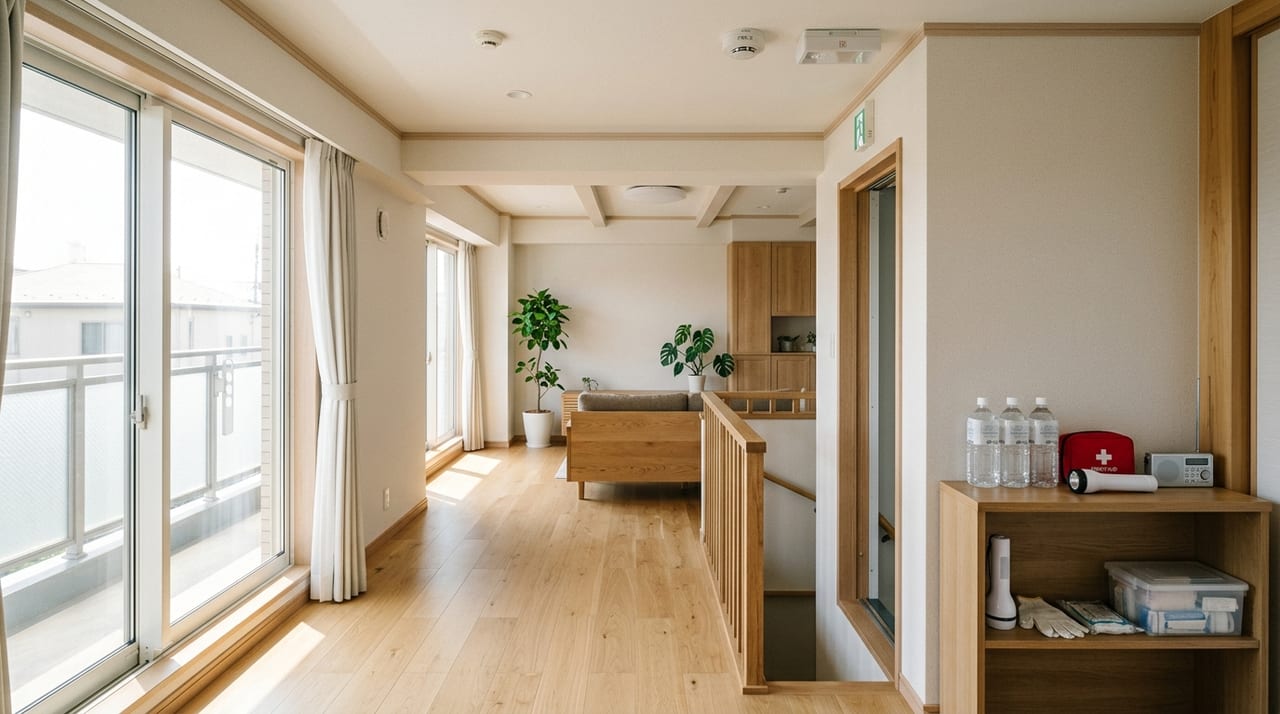
Prepare for Power Outages: Stock flashlights (along with a mobile battery for charging your smartphone), drinking water (3 days per person = 9 liters), and emergency food supplies.
If your unit has suffered damage (water leaks, broken windows, balcony damage, etc.), take photos immediately and report to your management company. If you delay reporting, disputes can arise over who pays for repairs, as the cause of damage may be questioned.
Vehicle Preparations: If your rental property's parking is outdoors, switch to winter tires and prepare snow removal tools (shovel and snow brush) by the day before a heavy snow forecast.
Preventing Frozen Water Pipes: Water pipes can freeze and burst when temperatures drop below -4°C.
Countermeasures:
Insulation and Heat Retention: Using draft strips for window gaps and thermal curtains improves heating efficiency. In the Sendai and Tohoku areas, winter utility costs can reach 20,000–40,000 yen per month, making insulation measures economically important.
Snow on Your Roof: Do not remove snow from your roof without instruction from your management company or landlord. There is risk of falls and potential impact on building structure. If you are concerned about heavy snow accumulation, contact your management company.
Snow Removal in Common Areas and Parking Lots: The management company handles snow removal in common areas (building entrance, parking lot), though responses may sometimes be delayed. By helping clear snow around your own vehicle and near entrances, you can maintain good community relationships.
Check the Hazard Map: Before moving in or while living there, check your municipality's hazard map for flooding and landslide risks in your area. Sendai City publishes detailed hazard maps on its official website.
Flooding Risk on First and Second Floors: If you live on a lower floor in a high-flood-risk area, preparing sandbags and storing important documents and valuables at higher elevations are effective measures.
In most rental housing, fire insurance is mandatory upon move-in. Make sure to verify in advance whether your fire insurance includes coverage for natural disasters (wind, water, and snow damage).
Damage Typically Covered:
Damage Not Typically Covered:
Review the "Coverage Details" section of your insurance policy once more, and consider adding special endorsements if necessary.
Action checklist if evacuation orders or advisories are issued:
Preparing for natural disasters in rental housing requires clearly distinguishing between "what you can do yourself" and "what is the management company's or landlord's responsibility," and maintaining regular preparation. Simply confirming hazard maps, understanding your insurance coverage, and verifying emergency contact information during normal times allows you to respond calmly when disaster strikes.
Particularly in the Tohoku and Sendai areas where heavy snow and freezing pose greater risks than typhoons, preventing frozen water pipes in winter is essential. With early preparation, you can enjoy a safe and secure rental living experience.
A guide to handling rental properties damaged by typhoons or heavy rain. Learn how to report water leaks, broken windows, flooding and other damage, how to file fire insurance (household contents insurance) claims and verify coverage, and how to negotiate cost-sharing arrangements with your landlord and property management company.
床スラブ厚と上階の足音問題——賃貸で「ドン」という衝撃音が響く構造的な理由と物件選びのポイント
前橋・群馬の賃貸エリアガイド【2026年版】——主要エリア別家賃相場と住みやすさを徹底比較
Making the Most of Protruding Beams and Columns in Rental Apartments — Smart Furniture Placement Strategies
Mito & Ibaraki Rental Area Guide [2026] — Comprehensive Explanation of Rental Rates and Livability by Major Area
Uncovering Property Issues by Asking Previous Tenants About Their Departure—Questions to Ask During Viewings and How to Interpret Answers
