Helpful information for your apartment search and daily life
577–588 of 970

This guide covers the legal permissibility of real estate purchases by foreign nationals in Japan, mortgage approval hurdles by residence status, the purchase process flow, post-purchase risk management, and tax procedures—all organized from a practical perspective for foreign investors and residents.

A comprehensive overview of the tax system that foreign residents face when owning and selling real estate in Japan, covering how to calculate property tax and urban planning tax, determining tax obligations, understanding tax exemptions, real estate acquisition tax, registration license tax, and capital gains tax.
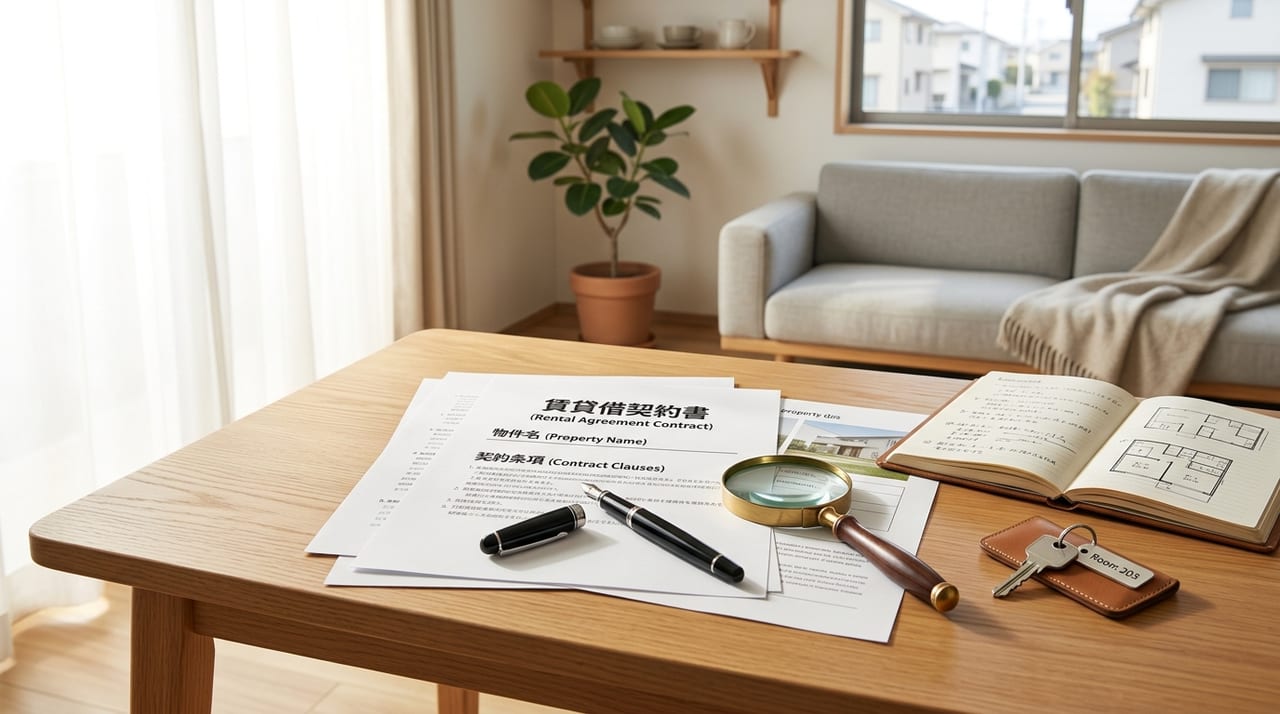
From the Building Standards Act's seismic standards to the Housing Quality Assurance Promotion Act's 10-year defect warranty, long-life housing certification, performance labeling systems, and sick building syndrome regulations—we break down the legal framework for evaluating housing quality in Japan, whether renting or buying.

From total cost comparison and residence duration versus payback period, to mortgage tax deductions, liquidity risk, and life event variability—this guide systematically breaks down the 'rent vs. buy' decision from a foreign resident's perspective, providing a decision-making framework before pursuing home purchase in Japan.
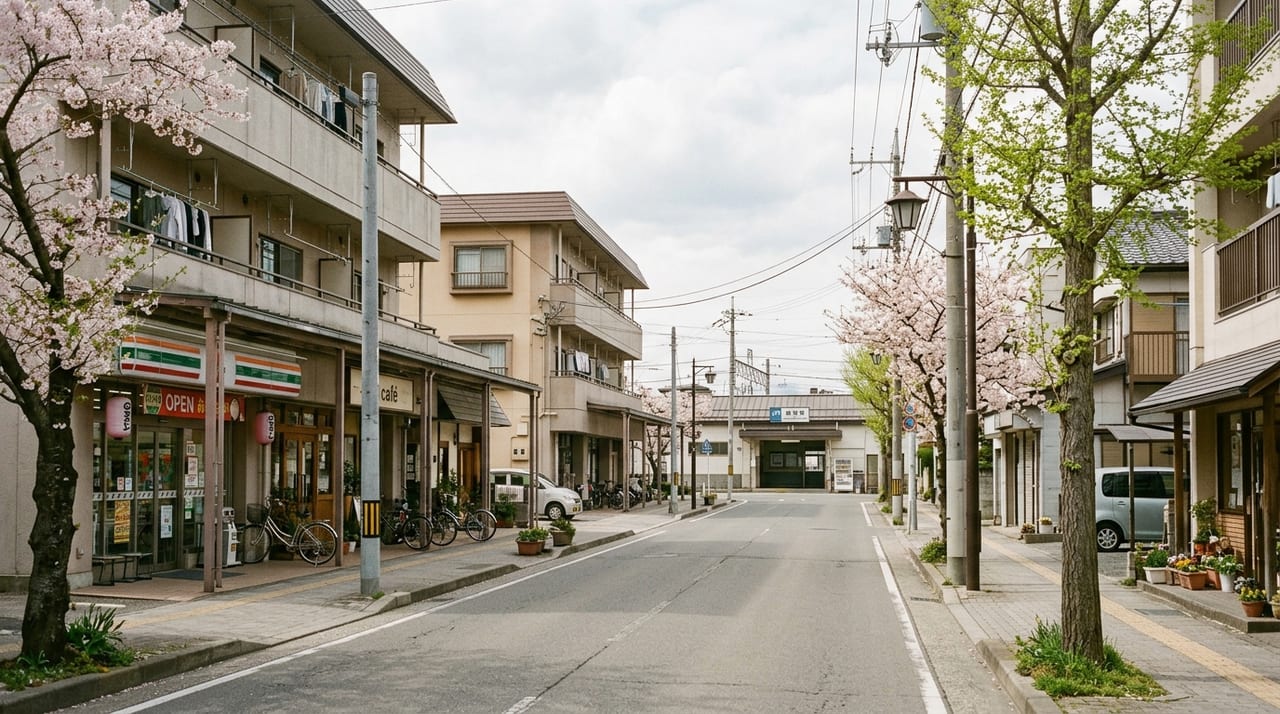
Tokyo's 23 wards ranked systematically by rental prices for singles (1K) and families (2LDK), population migration trends, foreign resident percentages, and redevelopment progress. This practical guide helps you make informed neighborhood decisions before arriving in or relocating within Japan.
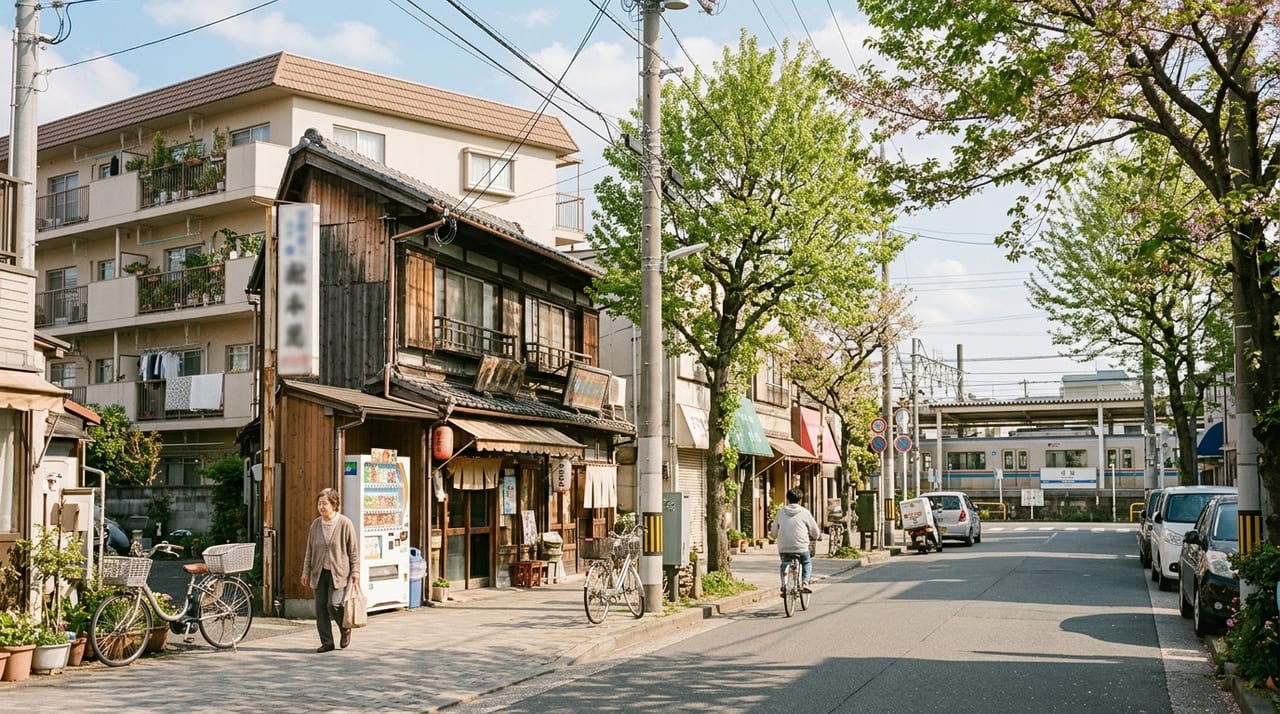
Japan's rental real estate market in 2026 is shaped by multiple intersecting trends: the yen's continued weakness, recovery of inbound tourism demand, rising rents in regional cities, and increased supply of properties catering to foreign residents. This article examines these dynamics through data and real-world conditions from a foreign resident's perspective.
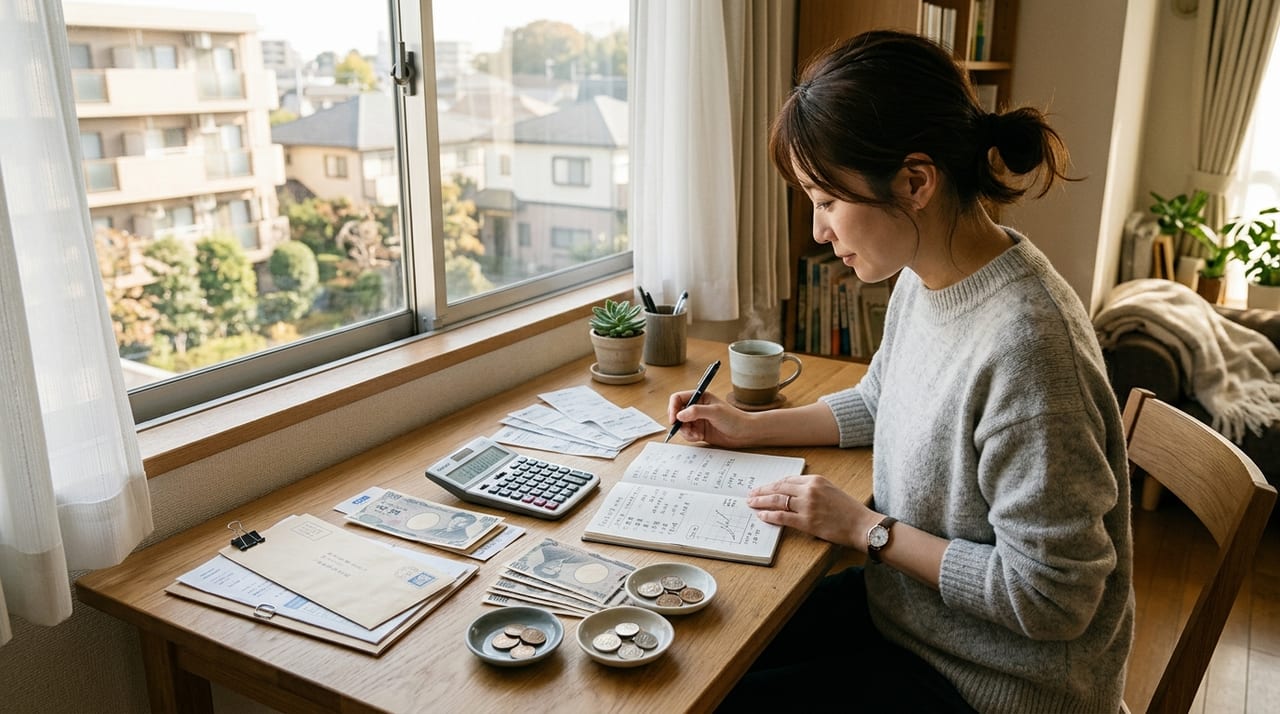
Rent has no legal upper limit, and discounts of 3,000 to 10,000 yen per month through landlord negotiation are far from uncommon. This guide organizes evidence-based negotiation approaches to increase success rates for foreign residents, methods for researching market rates, and the best timing and properties for negotiation.

Rent payments in Japan offer four options: bank transfers, automatic account withdrawals, credit cards, and online payments — each with different fees, late payment risks, and contract conditions. This guide provides a practical comparison of the best payment methods for foreign residents.

To avoid situations where electricity won't turn on or gas can't be used on moving day, this guide explains the practical procedures from application timing, whether inspections are required, identity verification specific to foreign residents, to choosing billing plans.

Address changes when moving span multiple institutions—government offices, residence cards, banks, mobile carriers, insurance, and driver's licenses. This guide systematically organizes notification deadlines, required documents, and priorities to explain the practical procedures foreign residents need to complete everything thoroughly in a short timeframe.
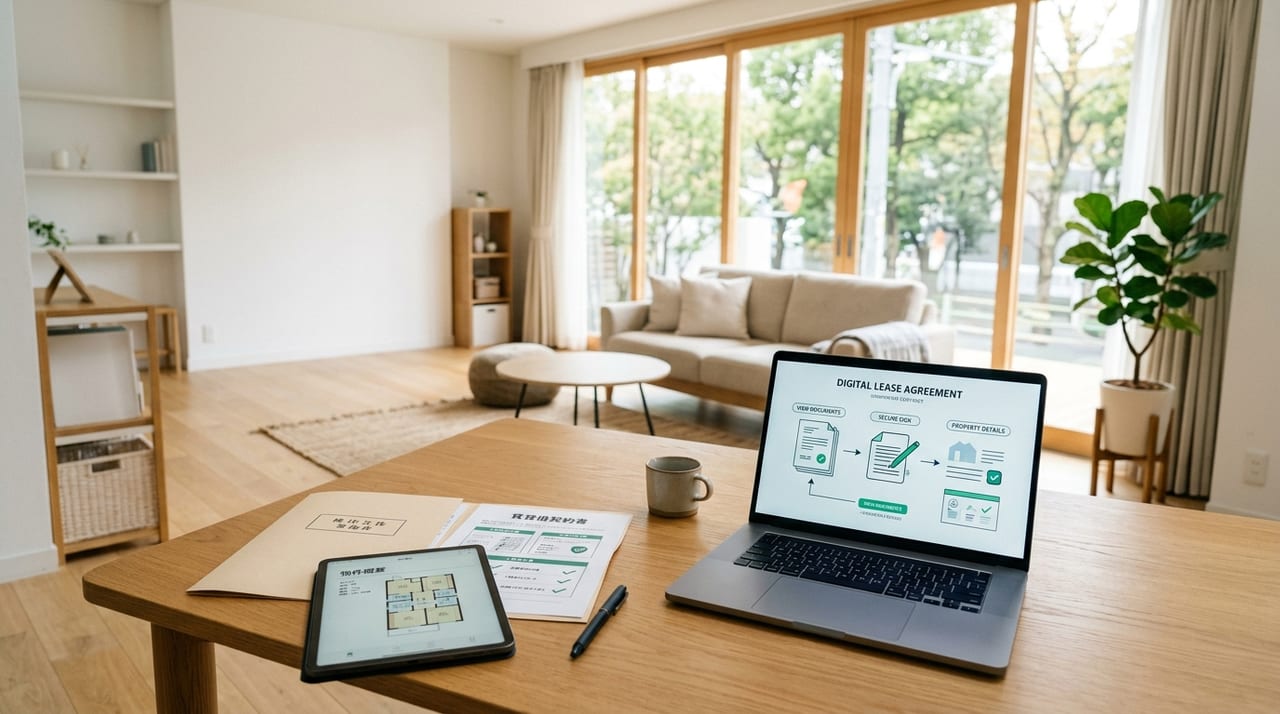
Residential services and long-term property stability vary significantly depending on whether a property is owned by an individual, corporation, REIT, or managed as a sublet. This article explains a practical perspective for foreign residents who understand the revenue structure of the rental real estate industry, enabling them to choose properties with 3–5 years of long-term residence in mind.
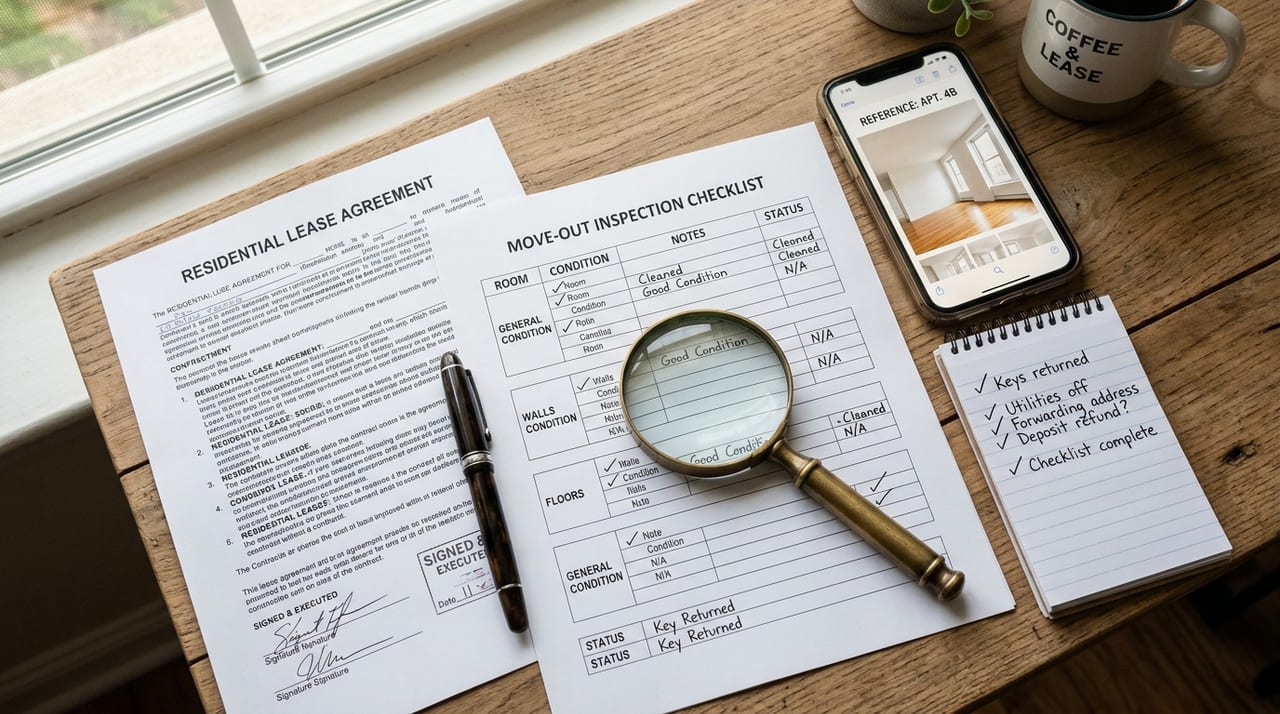
Sublease properties involve a complex contract structure with three parties: the owner, management company, and tenant. This guide clarifies key issues that foreign renters should understand beforehand—from confusion about points of contact when problems arise, to unclear responsibility in move-out settlements, to risks if the management company fails—from an industry practice perspective.
