Helpful information for your apartment search and daily life
553–564 of 970
Cigarette odor problems in rental apartments are becoming increasingly serious. This guide explains how to address smoke from balcony smoking in neighboring and adjacent units, ventilation duct infiltration, and corridor smoking—including sample notification letters to management companies and DIY ventilation duct solutions.

Footsteps from the unit above, running sounds, and falling objects are among the most common issues in rental apartments. This guide explains step-by-step solutions—from reporting to your building management company to negotiating directly, soundproofing measures you can implement yourself, and legal remedies.
Learn soundproofing DIY methods for rental apartments that require no permission. We cover acoustic material for walls, soundproofing mats for floors, weatherstripping for windows, and more—all reversible upon move-out and within restoration limits—with cost estimates for each solution.
Ready-to-use templates for rental noise disputes. Includes property manager notification emails (with subject lines in Japanese/English), direct letters to noisy neighbors and upstairs residents, and practical escalation procedures from follow-up reports to consumer centers, local government offices, and small claims court.
While the legal limit for rental agency fees is one month's rent plus consumption tax, more companies are now offering lower rates. This guide covers calculation methods, conditions for free fees, negotiation strategies, and the risks of zero-fee agencies.
Learn negotiation strategies to reduce or waive renewal fees on 2-year lease renewals, and understand the differences between fixed-term and standard leases. This guide covers the legal nature of renewal fees, regional variations, and successful negotiation examples.

Are zero-deposit, zero-key-money properties truly a bargain? We explain the reality of these "zero-zero" properties, the risks of receiving high charges at move-out, and how to verify special clauses, cleaning fees, and early termination penalties before signing your contract.
Is the common rule "keep rent to one-third of your net income or less" actually correct? This guide explains how to determine the right rent for your situation based on net income and city-specific rent limits, with real-life living expense simulations.
![Rent Negotiation Template Collection [Ready to Copy-Paste]: How to Negotiate Rent Reductions, Free Rent, Key Money, and Agency Fees + Email Examples](https://img.sumuie.jp/column-images/chintai-kotehi-saiteki-guide/hero-1777683856994.jpg)
Rent negotiation success rates increase when you use ready-to-use example sentences. This guide covers three rent reduction negotiation patterns (based on comparable local prices, vacancy periods, and property weaknesses), free rent, key money waivers, and agency fee negotiations, with specific language, email templates, timing tips, and common pitfalls—all explained with real examples.
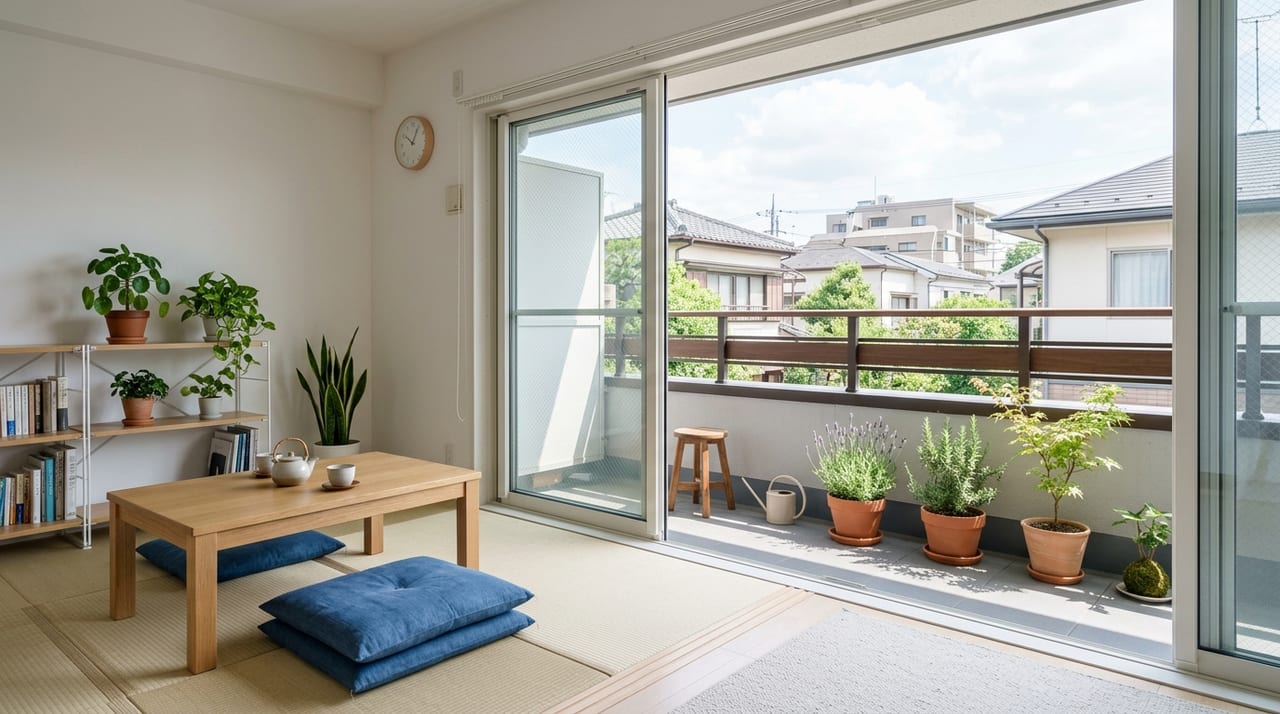
Japanese apartments and condominiums have unique living rules. This guide explains trash separation and collection schedules, acceptable noise levels, greetings in hallways and elevators, courtesy visits upon moving in, and other lifestyle etiquette that foreigners often learn the hard way and that can prevent neighbor conflicts.
This guide explains concrete solutions to the biggest obstacle for foreigners renting in Japan—the joint guarantor requirement. We compare the screening criteria and appropriate uses of three foreign-specialist guarantor companies: GTN, Oricom Forrent Insure, and ROOM iD.

In 2026, rental properties and services that require neither a guarantor nor a guarantor company are increasing. We comprehensively compare guarantor-free options including UR rental housing, public housing, share houses, and monthly mansions.
