How to Rent an Apartment in Japan on a Working Holiday Visa — Complete Guide to Screening, Guarantees, and Move-in Procedures
A practical guide covering everything from navigating rental screening as a foreign national on a working holiday visa, choosing a guarantor company, finding short-term lease properties, to completing residential registration and residency card procedures.
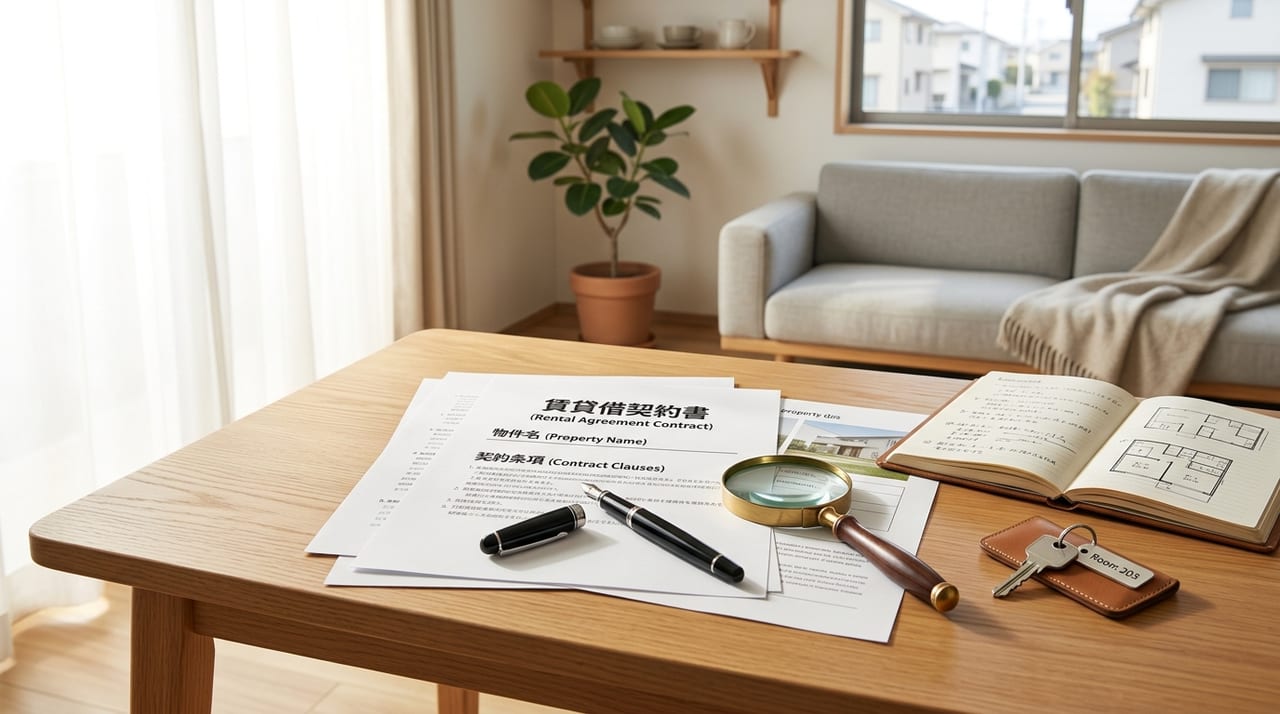
For foreign nationals on a Working Holiday Visa (hereinafter "WHV"), renting an apartment in Japan is a significant hurdle. Compared to general rental guides for foreigners, WHV holders face unique challenges—short-term stay duration, unstable income, and lack of a joint guarantor—making the move-in screening process difficult for many. This article explains concrete strategies for foreigners with a Working Holiday Visa to rent apartments in Japan.
How Working Holiday Visas Differ from Standard Work Visas and Their Impact on Rental Screening
A Working Holiday Visa is a visa that allows young people ages 18–30 from designated countries (Australia, New Zealand, Canada, France, and approximately 25 other nations) to reside and work in Japan for up to one year (in some cases, two years).
The main reasons why a Working Holiday Visa can work against you in rental screening are as follows:
Short residency period (maximum one year): Many real estate agencies and landlords prioritize whether you'll vacate before the contract ends. A visa with a residency period of one year or less is seen as carrying the risk that your residency status will expire during the lease term.
Difficulty proving income: When you've just arrived in Japan or are working multiple part-time jobs, it can be challenging to provide documentation of stable income.
No Japanese joint guarantor: Like most foreigners, working holiday visa holders typically lack Japanese acquaintances or relatives, which becomes a barrier in the screening process.
Rental Housing Options Available to Working Holiday Visa Holders
Since screening for standard private rentals is stringent, we recommend considering the following options:
Shared housing is the most suitable option for working holiday visa holders. Many share houses offer services specifically for foreigners, with advantages including relatively lenient screening, low initial costs, and flexible month-to-month lease options. In Tokyo and Osaka, numerous English-friendly share house management companies operate.
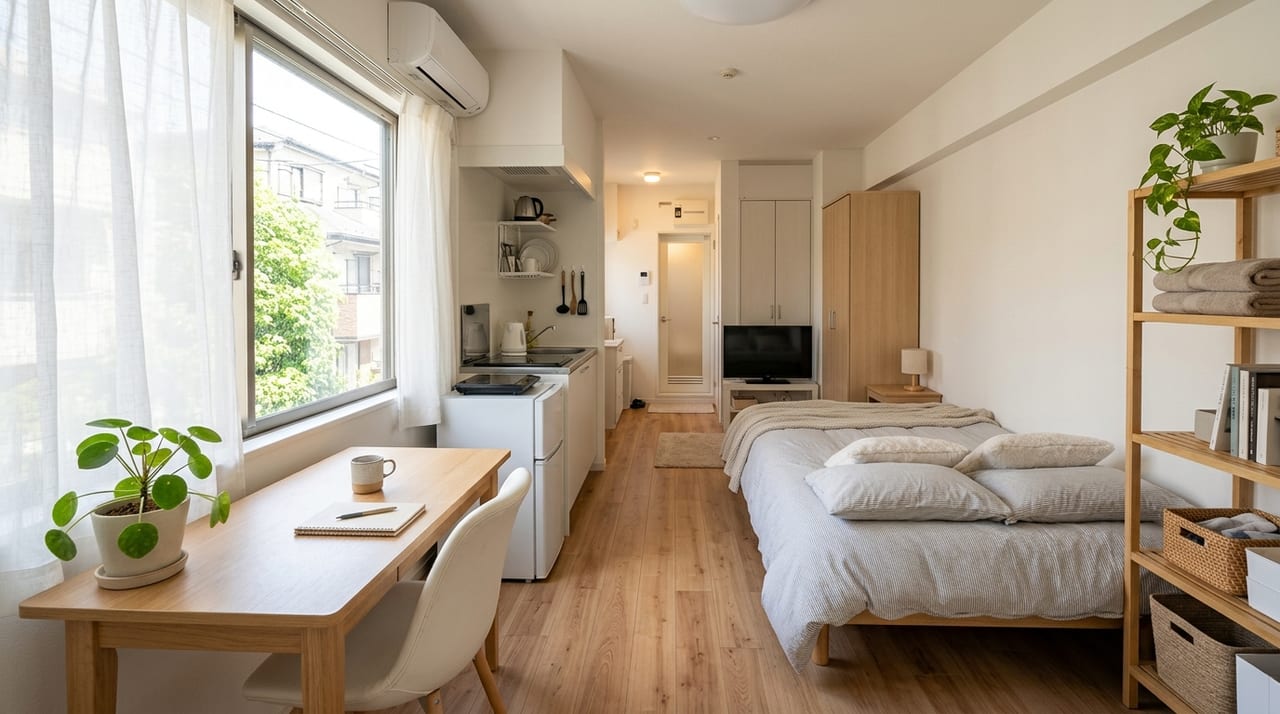
Monthly mansion apartments (furnished short-term rentals) are also an effective option. Furnished and equipped with appliances, you can begin living immediately upon receiving the key. While monthly fees are higher, some properties allow move-in without screening.
You should also consider specialist rental agencies for foreigners. Companies like Japan Rent and Sakura House, which specialize in serving foreign nationals, handle numerous properties suitable for working holiday visa holders and provide multilingual support.
UR or public housing can accommodate foreigners if they meet minimum income requirements. These appeal because they require no key money or guarantor, though minimum income thresholds apply.
Utilizing Guarantor Companies for Foreigners
When applying for standard rentals, using a guarantor company that works with foreigners is key. The main options are as follows:
GTN (Global Trust Networks) is a guarantor company specializing in foreign nationals, accommodating rental screening for foreigners including WHV holders. They offer multilingual support in English, Mandarin, Korean, Vietnamese, and other languages.
ROOM iD similarly provides guarantor services specialized for foreign nationals, with comprehensive English-language support.
Guarantor company screening requires your passport, residency card, and proof of income (such as an employment offer letter or recent 2–3 months of pay stubs). Prepare documents demonstrating you have the financial capacity to pay rent throughout your residency period.
Documents and Procedures Required for Move-in
The documents required when signing a rental lease on a Working Holiday Visa are as follows:
•Passport (original)
•Residency card (original)
•Proof of income (employment offer letter or recent 2–3 months of pay stubs)
•Bank passbook (if you have a Japanese account)
•Emergency contact (family in your home country or friends residing in Japan)
Residential registration (change of address notification) must be completed within 14 days of confirming your address at your nearest municipal office. Your address will be recorded on your residency card. Failing to do so may affect your immigration status.
Obtaining a residential certificate is necessary for official procedures (bank account opening, mobile phone contracts, etc.). Once you file your change of address, you can obtain a residential certificate.
Key Points and Precautions for Short-Term Rental Leases
For those on a Working Holiday Visa, many prefer short-term rental leases aligned with your maximum one-year stay.
Seeking fixed-term leases (6 months to one year) is the basic strategy. While standard indefinite leases typically renew for two-year terms, fixed-term leases allow contracts of one year or less. However, note that fixed-term leases cannot be renewed.
Confirming early termination penalties is essential. If you vacate early (before the lease term ends), penalties equivalent to one to three months' rent may apply. Keep this in mind as a risk factor if your residency cannot be extended or if you need to return home earlier than planned.
Seeking properties with free rent periods is also effective. Free rent properties offering zero rent for the first one or two months after move-in help with initial cash flow.
Summary: Finding Rental Housing for Working Holiday Visa Holders
While staying in Japan on a Working Holiday Visa limits your rental options compared to long-term residents, finding suitable housing is entirely possible by leveraging specialist foreign-national brokers, guarantor companies, and share house management firms.
Particularly after arriving in Japan, a realistic strategy is to start with shared housing or short-term rentals, then transition to standard apartments once you've established stable income. Securing an address is important for immigration status management, so be sure to complete residential registration procedures after moving in.