Rent negotiation is possible even for new and renovated properties. We introduce effective negotiation timing and concrete success stories from real estate professionals.
Reviewed by: Nobuyuki MoriPresident, M-Assets Co., Ltd. / Licensed Real Estate Transaction Specialist (Miyagi #018212)
A comprehensive guide to negotiating renewal fee waivers and reductions for rental leases. We cover the ideal timing, reasons for higher success rates, and practical guidance on risks to consider.
A comprehensive guide to negotiating rental rates successfully. Real estate professionals share strategies, including optimal timing, effective language, essential preparation materials, and practical negotiation scripts.
Rent has no legal upper limit, and discounts of 3,000 to 10,000 yen per month through landlord negotiation are far from uncommon. This guide organizes evidence-based negotiation approaches to increase success rates for foreign residents, methods for researching market rates, and the best timing and properties for negotiation.
Learn how to negotiate lower or waived renewal fees when your lease renews. This practical guide covers effective timing, communication strategies, and alternative proposals to increase your success rate.
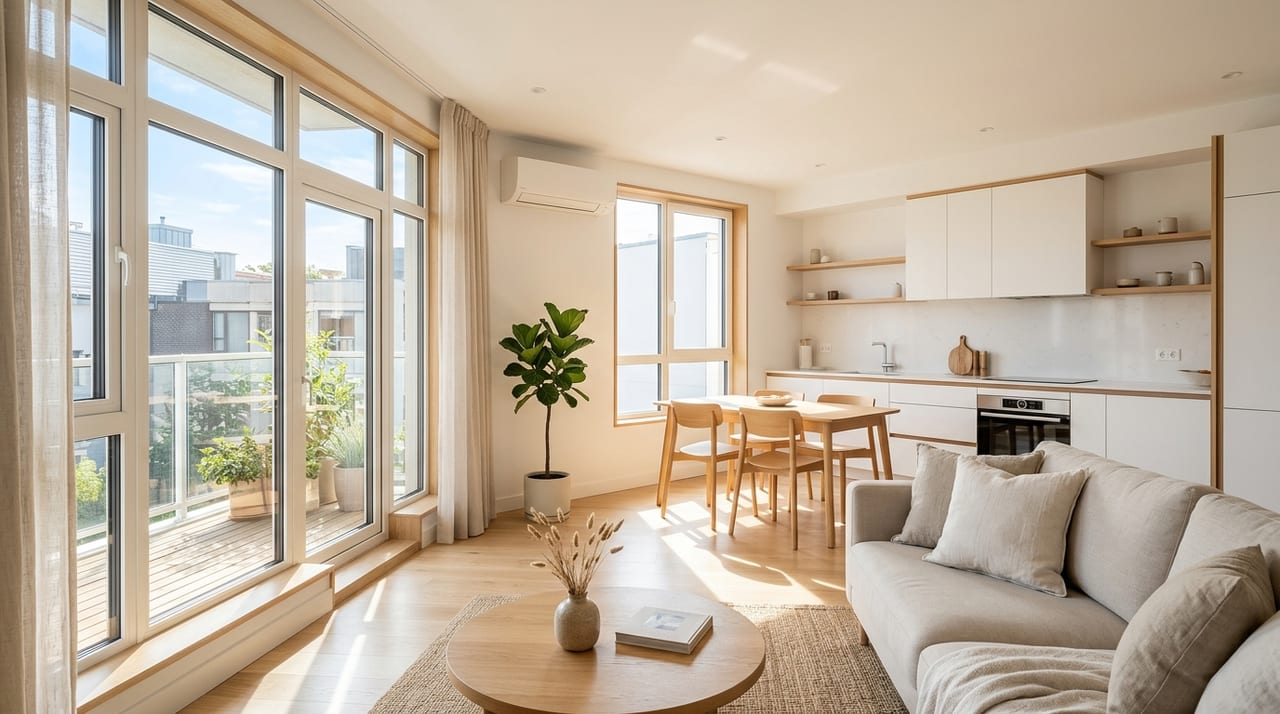
While new and renovated properties often have the image of being difficult to negotiate on, the reality is that with the right approach and strategy, there is plenty of room for negotiation. In this article, we introduce practical rent negotiation techniques for new and renovated properties, based on over 20 years of real estate brokerage experience.
While new and renovated properties often come with aggressive rental pricing, there is room for negotiation for the following reasons.
Avoiding Vacancy Risk For property owners, failing to secure initial tenants after construction completion represents a significant loss of opportunity. In particular, for properties more than 2–3 months past completion, owners begin considering more flexible arrangements.
Differentiation from Competing Properties When multiple similar new properties exist in the same area, owners may adjust terms to attract tenants.
Expectation of Long-term Occupancy Tenants moving into new properties from the start are likely to stay long-term, making owners more willing to offer some concessions.
Best Timing: After Viewing—Before Submission Show interest in the property during the viewing and approach negotiation with the attitude that you'll decide immediately if terms are favorable. Avoid negotiating after submission, as it creates a poor impression.
Example of Effective Communication: "I really like this property, but my budget is set at ¥○○○,000 per month. If you could reduce the monthly rent by ¥○,000, I would submit the application today and move in starting ○ month ○ day. I also plan to stay for at least 3 years."
It's important to communicate specific numbers, your intent to move in, and the benefits of long-term occupancy clearly in this way.
Actions to Avoid:
Points to Remember:
Rent negotiation for new and renovated properties is not impossible. What matters most is solid preparation, proper timing, and constructive proposals made with understanding of the owner's perspective.
What works especially well is clearly highlighting benefits for the owner, such as "long-term occupancy," "immediate move-in," and "word-of-mouth referrals." Also, consider the total package—not just monthly rent, but initial fees, free-rent periods, and other conditions.
Finally, negotiation involves another party. Finding a mutually acceptable outcome—rather than making unreasonable demands—leads to a positive rental relationship afterward. Using the points we've covered in this article, please secure your ideal property at the best possible terms.
不動産ネットワーク
投資物件・賃貸住宅・テナント・運営会社をつなぐ不動産4サイト連携。
Related Areas
床スラブ厚と上階の足音問題——賃貸で「ドン」という衝撃音が響く構造的な理由と物件選びのポイント
前橋・群馬の賃貸エリアガイド【2026年版】——主要エリア別家賃相場と住みやすさを徹底比較
Making the Most of Protruding Beams and Columns in Rental Apartments — Smart Furniture Placement Strategies
Mito & Ibaraki Rental Area Guide [2026] — Comprehensive Explanation of Rental Rates and Livability by Major Area
Uncovering Property Issues by Asking Previous Tenants About Their Departure—Questions to Ask During Viewings and How to Interpret Answers
