Moving and Renting During Pregnancy and Childbirth: A Guide to Safe Timing and Finding Family-Friendly Properties
For those considering moving during or around the time of childbirth, this guide explains how to identify safe moving windows, key points for selecting family-friendly rental properties, and necessary address change procedures after delivery.
Pregnancy and childbirth are major turning points in life, and often prompt a reassessment of living arrangements. Many couples wish to "move to a larger space before the baby arrives" or feel that "our current rental has become too cramped." However, moving while pregnant places significant physical strain on the body, and poor timing choices can affect both the mother and fetus. This article provides practical information on moving and selecting rental properties during pregnancy and childbirth.
Moving While Pregnant—Safe Timing and Periods to Avoid
If planning a move while pregnant, determining "when to move" is the most critical decision. General guidelines are as follows:
First trimester (months 1-3) is the highest-risk period. Miscarriage risk remains elevated, and morning sickness is at its strongest. It is strongly recommended to avoid strenuous moving activities and outings to view new homes, as they consume significant physical energy.
Second trimester (months 4-7) is the most suitable time for moving. Physical condition is stable, the belly is not yet greatly enlarged, and movement is relatively easy. Ideally, schedule your move so that it can be completed during this period by working backward from your target date.
Third trimester (month 8 onward) sees a renewed rise in risk. Premature labor becomes a concern, and fatigue and lower back pain from the enlarged belly become more pronounced. Keep packing and unpacking to a minimum, and entrust physical labor to your partner or professional movers.
Regarding moving after delivery, it is recommended to focus on physical recovery for 2-3 months immediately after birth and to move no earlier than 4-6 months after the baby is born. Moving to a new environment with a newborn can also be stressful for the baby.
How to Choose Family-Friendly Rental Properties
Here are the key factors families expecting a baby or currently raising children should prioritize when selecting a rental property.
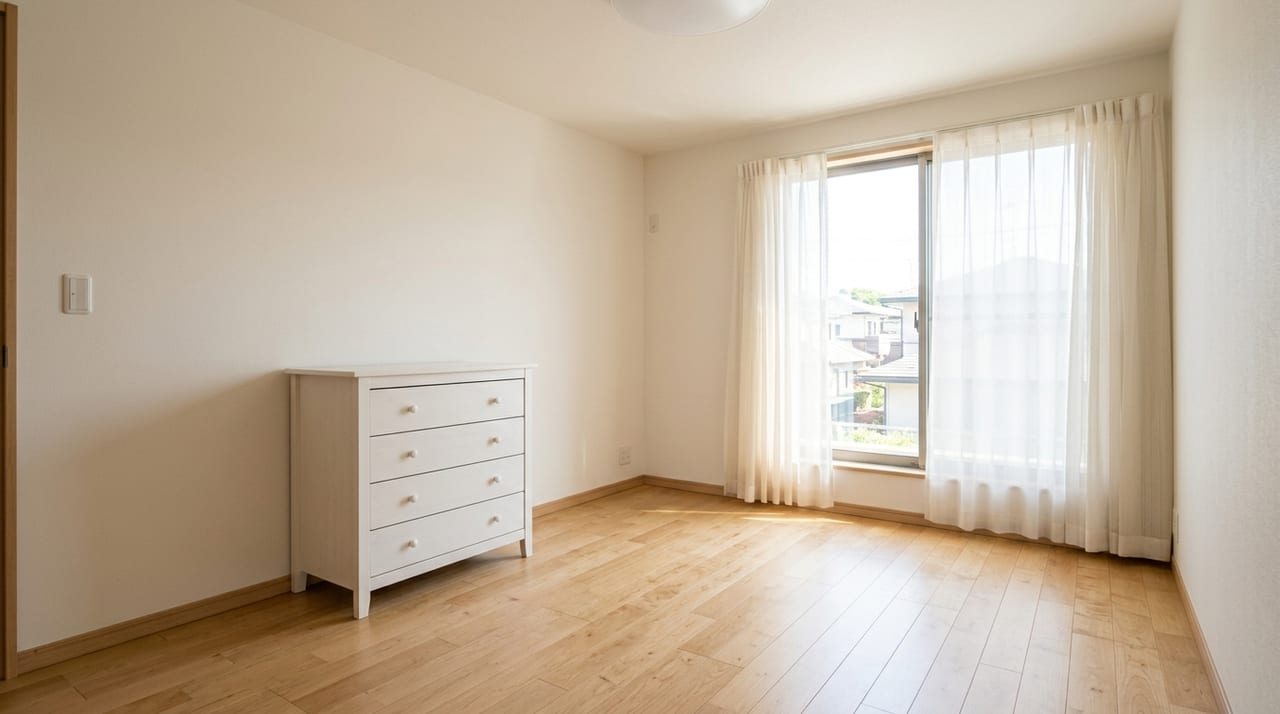
Floor plan and size are the top priority. For one child, a 2 bedroom or larger (50-65 m²) provides a reasonable standard for comfortable living. Verify whether the property has a Western-style room that can serve as a child's bedroom, and whether any Japanese-style rooms can be flexibly used as play areas for the child.
Elevator availability is critical for stroller users. For units on the 3rd floor or higher, the absence of an elevator makes each outing a significant burden. For the third trimester and postpartum period, a property with an elevator is strongly recommended.
Proximity to medical facilities is also essential. Before viewing the property, use Google Maps to check the distance to your preferred obstetrics and pediatrics clinics and their accessibility. It is reassuring to also familiarize yourself with emergency transportation routes.
Preschool and kindergarten coverage areas and availability are particularly important in urban areas. Since applications can only be submitted to the municipality where you register your address, research childcare center waiting list status in your target area beforehand (available on municipal websites).
Accessibility and barrier-free design are also worth considering. Entrance steps, handrails in the bathroom, and corridor width all affect stroller maneuverability and your child's future safety.
Sound insulation is important to prevent conflicts over crying babies and running footsteps. Reinforced concrete (RC) apartments offer better soundproofing than wooden or lightweight steel-frame buildings, reducing the risk of neighbor complaints.
Childcare Support Systems and Choosing Your Municipality
Your choice of area directly impacts the childcare support programs available to you. Municipalities vary significantly in the following aspects:
•Eligible age range for infant and young child medical expense subsidy programs (varies from 0 to 15 years depending on the municipality)
•Childcare facility infrastructure and waitlist numbers
•Availability and quality of childcare support centers
•Mutual support programs such as family support centers
•Housing allowance provision during parental leave (verify both employer and municipal programs)
Sendai has adopted the slogan "Building the city best for child-rearing" and is expanding its licensed childcare facilities and support centers. Always check the childcare support pages of the municipality where you plan to move.
Address Change Procedures After Delivery and Important Notes
If you move around the time of delivery, multiple address change procedures will be necessary. Here are commonly overlooked procedures:
Notification of relocation (within 14 days): Submit a relocation notification at your new municipality's municipal office. Change the residence address on your mother and child health handbook at the same time.
Birth notification (within 14 days): Submit a birth notification at the municipal office within 14 days of the baby's birth. If you are in the process of moving, you can submit it at either your old or new address.
Infant medical expense subsidy application: You must reapply at your new municipality. Watch for application deadlines.
Childcare/kindergarten transfer procedures: If already enrolled, file a withdrawal notice with your former municipality and an enrollment application with your new municipality.
Health insurance changes: If the bank account for receiving childbirth allowance or childbirth and child care lump-sum benefits changes, notify your health insurance association.
Negotiating with Moving Companies and Cost-Saving Tips
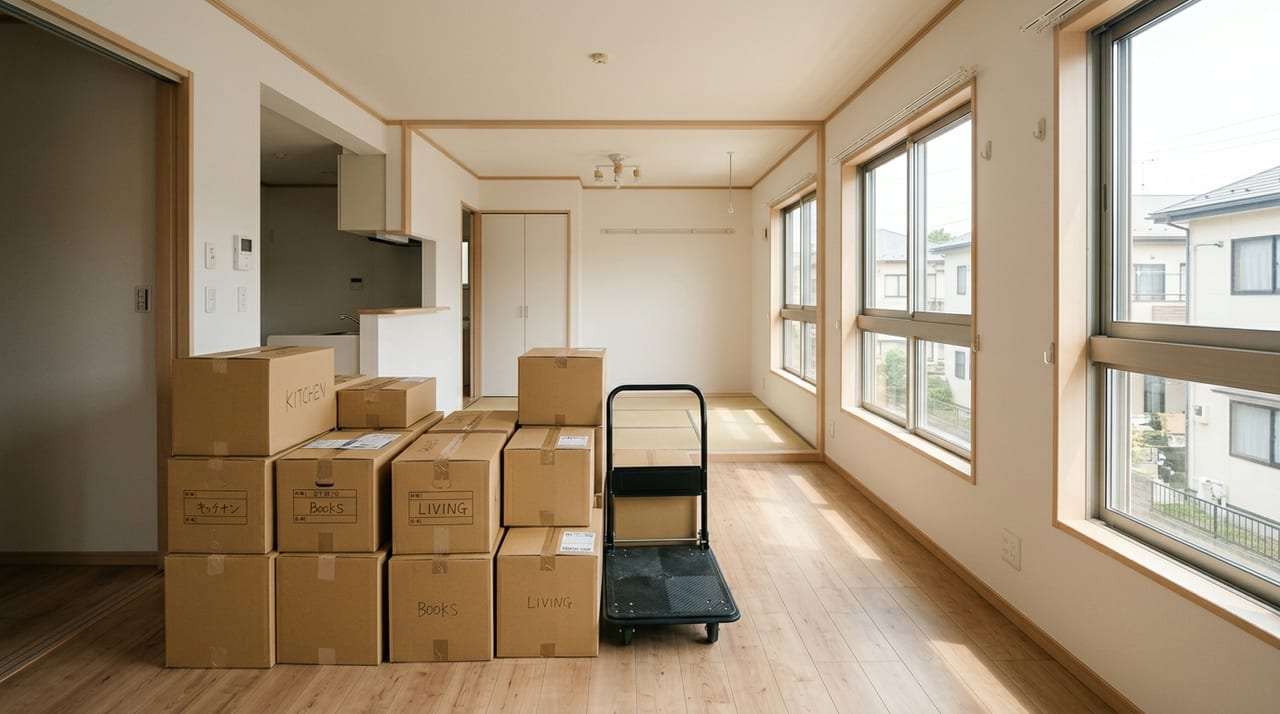
During pregnancy, moving typically requires hiring a professional moving company since packing and transporting boxes places excessive physical strain. Here are ways to keep costs down:
Off-season moves (weekdays from October to January) significantly reduce moving company rates. It is ideal if the off-season coincides with your second trimester.
Decluttering and minimizing belongings beforehand reduces the volume to be transported and lowers costs.
Some moving companies offer "baby-friendly household plans" for post-delivery moves. Using a service that handles everything from packing out through unpacking and box disposal minimizes physical strain on the body.
Conclusion—Planning Is Your Greatest Risk Management Tool
Moving and selecting rental properties during pregnancy and childbirth can be managed safely and smoothly by organizing three key elements: "choosing the right timing," "verifying property specifications," and "understanding administrative procedures." Moving during the second trimester is particularly important to minimize physical strain. After delivery, prioritize physical recovery while carefully completing necessary procedures one step at a time.
From three months before arrival through three months after moving in, this comprehensive checklist organizes all necessary procedures across six key areas—visa, housing, finance, communication, healthcare, and taxes—in chronological order. It covers practical details that foreign nationals often overlook.