How to Find Pet-Friendly Rentals and Understand Security Deposit Rates | Key Points Before Signing Your Lease
A rental real estate expert explains essential points you should know before signing a lease, from how to find pet-friendly rentals to current security deposit rates.
Basic Knowledge You Should Know Before Searching for Pet-Friendly Rentals
Searching for a rental property where you can live with a pet is quite different from looking for a standard rental. The first reality to understand is that there are very few pet-friendly rental properties available. Only about 10-15% of rental properties in Japan allow pet ownership, and the options become even more limited once you narrow down by location and layout.
To live with a pet while renting, it's important to have the right knowledge from the start of your property search and to proceed methodically. Rushing and compromising can often lead to problems later on. This article provides a detailed explanation of how to efficiently find pet-friendly rentals, current security deposit rates, and important points to note when signing a lease, based on the latest 2026 trends.
How to Filter on Real Estate Portals and Tips for Viewing Properties
The basic approach to efficiently finding pet-friendly rentals is to use real estate portal sites such as SUUMO, HOME'S, and Athome. When searching, filter by selecting "Pet-Friendly (negotiable)" from the "Special Features" or "Amenities & Conditions" section.
One important note is that information on portal sites is not always up to date. Properties may have already been leased or may have restrictions on what types of pets are allowed. If you find a property you're interested in, always contact the real estate agency directly to confirm the details. For more information on the basic process of finding a property, please also refer to Complete Guide to Choosing a Real Estate Agency.
When viewing the property, be sure to check the following points.
Flooring Type and Condition: Hardwood flooring is easily scratched by pet claws and directly affects restoration costs when you move out. Cushion flooring or pet-friendly flooring provides peace of mind.
Soundproofing: Check whether the pet's barking or sounds don't disturb neighbors. The material and structure of the walls (concrete vs. wood) are also important factors.
Neighborhood Environment: Check whether other residents in the building or neighborhood have pets. Even in pet-friendly properties, it's important to determine whether the environment is prone to conflicts between residents.
Dedicated Garden or Balcony Space: For dogs, check whether the space can be used for exercise and as a bathroom area.
The Major Difference Between "Pet-Friendly" and "Pet Negotiable"
When searching for properties on portal sites, you'll see two types of listings: "Pet-Friendly" and "Pet Negotiable." This distinction is very important, and confusing the two can lead to unexpected problems.
"Pet-Friendly" refers to properties where pet ownership is already permitted. You can keep pets of the type and number specified in the property rules (such as dogs, cats, or small animals) without special negotiation. However, most properties have conditions such as "no large dogs" or "only one pet allowed."
"Pet Negotiable" refers to properties where pet ownership may be permitted if you consult with the owner or management company. Permission is not guaranteed and depends on negotiation—some pets may be approved while others may be denied. For example, small animals (hamsters, birds) might be acceptable but cats might not, and large dogs often face stricter approval processes.
Before applying, it's important to confirm in writing "what types of animals are allowed and how many" you can keep. Verbal permission alone can lead to problems later on. If you keep a pet in a "Pet Negotiable" property, always confirm that the pet permission is explicitly stated in the lease agreement or special clauses.
Security Deposit Rates | The Difference Between Standard and Pet-Friendly Properties
One of the biggest challenges with pet-friendly rentals is the high security deposit. For standard rentals, the security deposit is typically one month's rent, but for pet-friendly properties, an additional 1-2 months' rent is typically added. As of 2026, this rate has not changed significantly.
Security deposit amounts vary by property type. Standard properties typically require one month's rent, pet-friendly properties for small animals, small dogs, or cats typically require 2-3 months' rent, and pet-friendly properties for medium to large dogs typically require 3-4 months' rent.
This additional security deposit is often set as a "pet clause" and is used to cover restoration costs for pet-related damage, odors, and stains when you move out. If restoration costs exceed the security deposit, you may be charged additional fees, so it's important to document the room's condition when you move in.
In addition to the security deposit, some properties may require a "pet consent fee" of 0.5-1 month's rent as an upfront cost. Some properties may also charge a monthly pet maintenance fee (approximately ¥1,000-3,000), so be sure to compare both upfront costs and ongoing expenses.
Special Clauses at the Time of Lease and Restoration Responsibility
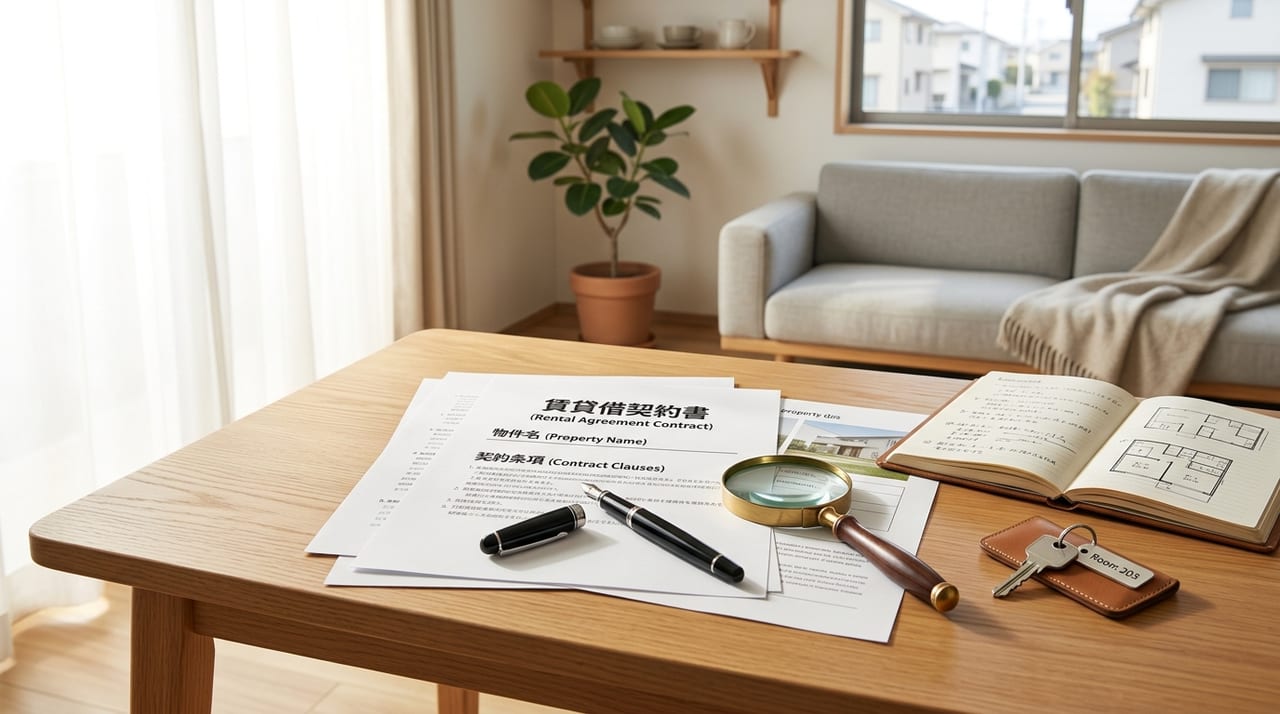
The most important thing to pay attention to in pet-friendly rentals is the "special clauses" in the lease agreement. In addition to the standard rental agreement, special clauses regarding pet ownership are almost always included. For more detailed information about personal information and special clause rules at the time of lease signing, please also refer to [Latest Rules for Rental Contracts and Personal Information Protection [2026 Edition]](/columns/contract-personal-info-protection-2026).
Main special clauses typically include the following.
Cleaning Costs Borne by the Tenant: In standard rentals, cleaning costs when moving out are typically covered by the landlord, but in pet-friendly properties, tenants often bear these costs as specified in special clauses. The cost varies depending on the size, but for a 1LDK-2LDK apartment, expect approximately ¥50,000-150,000.
Odor Removal and Disinfection Costs: If pet odors remain, a special clause may require the tenant to pay for professional odor removal and disinfection services.
Wallpaper and Flooring Replacement: Damage from pet scratches, urine stains, and other pet-related damage is subject to the tenant's restoration obligation. According to guidelines from the Ministry of Land, Infrastructure, Transport and Tourism, damage beyond "normal wear and tear" is the tenant's responsibility, and nearly all pet-related damage is deemed the tenant's responsibility.
Before signing, it's essential to thoroughly review all special clauses and confirm any unclear points with the agent before signing. If you are charged later as "standard costs," it will be difficult to dispute them if they are listed in the special clauses.
Consider How You Obtain Your Pet as Well
As you search for a property, also consider where you'll get your pet. While pet shop purchases are common, buying directly from breeders has become increasingly popular in recent years. Buying directly from breeders often results in lower prices than pet shops, and you can directly verify the condition of parent animals and their rearing environment. It's easier to assess the animal's health, and you can directly consult with the breeder about any questions regarding pet care.
Another option is to adopt a rescue cat or rescue dog. There is a misconception that rescue animals face stricter approval even in pet-friendly properties, but in reality, if you meet the requirements for the number and type of pets allowed, you can move in just like with any other pet.
To live with a pet long-term, it's important to make forward-looking plans from the property selection stage. After thoroughly understanding the security deposit and special clause contents, choose a home that is comfortable for both your pet and yourself.