Skip to content
SUMUIEスムイエ
PropertiesMoving GuideQuiz
Articles
ColumnsContracts & ProceduresMoving InDaily LifeArea & EnvironmentCosts & FinancesSafety & Disaster Prevention
AboutContact Us
JAEN
SUMUIEスムイエ

Search and compare rental properties across Japan.

Navigation

  • Home
  • Properties
  • Moving Guide
  • Move-in cost calculator
  • About
  • Articles
  • Contact Us
  • FAQ

Member menu

  • My page
  • Member sign-up (free)

Company menu

  • List your properties
  • Company admin
  • Company sign-up (free)

Articles

  • Contracts & Procedures
  • Moving In
  • Daily Life
  • Area & Environment
  • Costs & Finances
  • Safety & Disaster Prevention

About us

  • Company
  • Privacy policy
  • Terms of use

Search by area

HokkaidoTohokuKantoChubuKansaiChugokuShikokuKyushu & Okinawa

Popular prefectures

TokyoKanagawaOsakaAichiFukuokaHokkaidoMiyagiHyogoView all areas →

Sister sites

Shueki JPInvestment properties & yield insightsSenkyakuCommercial & retail tenant brokerage

© 2026 SUMUIE. All rights reserved.

HomePropertiesFavoritesContact Us
  1. Home
  2. Columns
  3. Safety & Disaster Prevention
  4. Renter's Fire Insurance Coverage Guide: How to Decline the Management Company's Designated Insurance
Safety & Disaster Prevention

Renter's Fire Insurance Coverage Guide: How to Decline the Management Company's Designated Insurance

2026-04-26

When moving into a rental property, management companies often require you to purchase their designated insurance. This guide explains whether you can decline this requirement, how to choose a cheaper alternative insurance, and what minimum coverage you need.
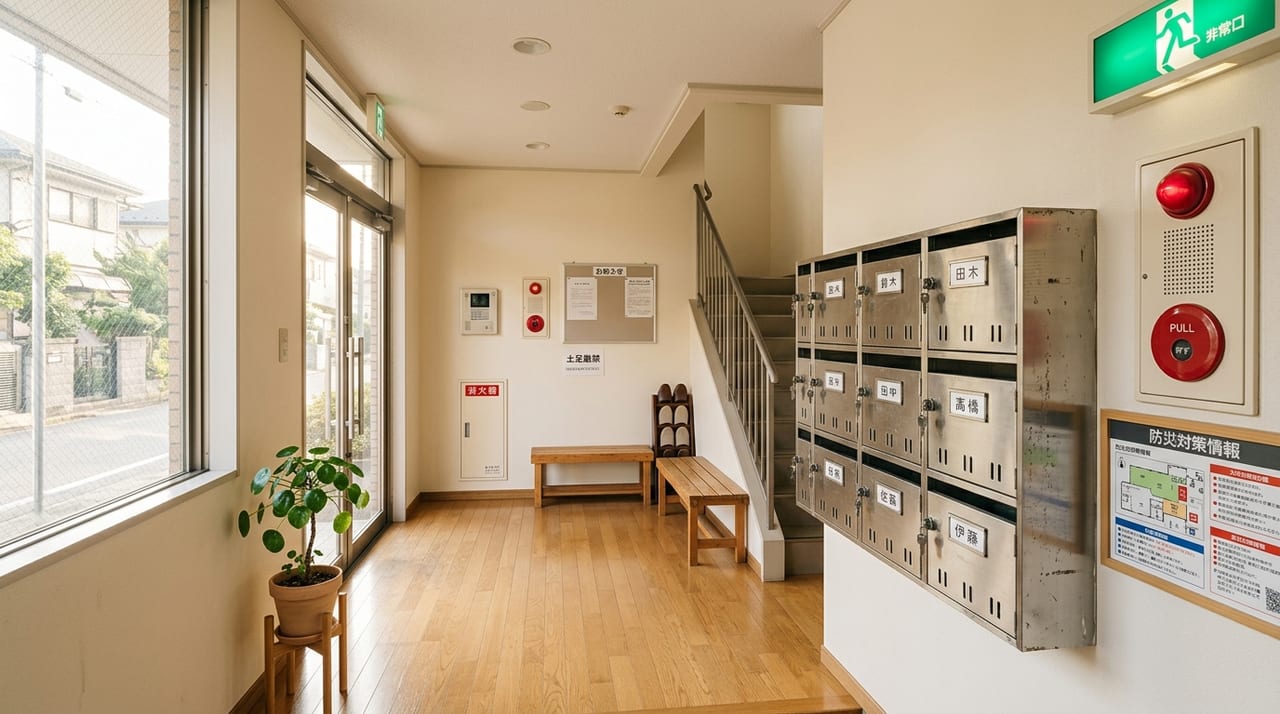
Renter's Fire Insurance Coverage Guide: How to Decline the Management Company's Designated Insurance
#Fire Insurance#Rental Insurance#Tenant Liability#Insurance Selection#Cost Savings
森

Reviewed by: Nobuyuki MoriPresident, M-Assets Co., Ltd. / Licensed Real Estate Transaction Specialist (Miyagi #018212)

Table of contents

  1. 01Fire Insurance Basics for Rental Properties
  2. 02Required Fire Insurance Coverage
  3. 031. Tenant Liability Coverage (Most Important)
  4. 042. Personal Liability Coverage
  5. 053. Contents Coverage (Optional)
  6. 06How to Decline the Management Company's Designated Insurance
  7. 07Affordable Fire Insurance You Can Purchase Yourself
  8. 08Additional Information for Foreign Residents

Fire Insurance Basics for Rental Properties

Related

Other columns

A Guide to Choosing Rental Household Insurance: Coverage Details, Cost Standards, and Important Considerations When Enrolling

Many people are unsure what criteria to use when choosing household contents insurance for rental properties. From differences in coverage details to cost standards and comparisons with insurance recommended by real estate companies, rental property professionals provide a thorough explanation of how to choose.

Complete Guide to Rental Fire & Home Contents Insurance—Understanding Coverage, Finding Affordable Options, and Essential Riders

A clear explanation of fire and home contents insurance coverage required for rental housing. We'll detail the differences from landlord-specified insurance, the benefits of choosing your own policy, the necessity of riders for water damage, theft, and tenant liability coverage, and expert tips on keeping premiums affordable.

Earthquake Insurance for Renters: Essential Knowledge You Can't Afford to Miss

Do you think "Since I'm renting, earthquake insurance is the landlord's responsibility"? Actually, landlords insure the building, but your household items receive zero coverage. This guide explains the necessity and mechanics of household earthquake insurance (typically ¥500–¥1,500/month) with real-world examples of what happens without it.

Renter's Property & Liability Insurance Comparison Guide—Finding the Optimal Balance Between Coverage and Premium

Back to columns

Fire insurance is required when moving into a rental property. This is typically stated as a condition of the lease agreement in most rental contracts, and moving in without insurance is almost never permitted.

However, you are not required to purchase the insurance specifically designated by the management company. As a tenant, you have the right to purchase fire insurance from a provider of your choice.

Required Fire Insurance Coverage

The minimum coverage needed for a rental property consists of three components:

1. Tenant Liability Coverage (Most Important)

This covers your liability for damage to the landlord's building or fixtures caused by fire, water leaks, explosions, or similar incidents. Unlike contents insurance, this specifically covers damages you cause to the owner's property.

Recommended coverage amount: ¥10,000,000 to ¥20,000,000 (depending on property size)

2. Personal Liability Coverage

This covers liability for damage you cause to neighbors or third parties, such as water damage to the unit below.

Recommended coverage amount: Approximately ¥100,000,000

3. Contents Coverage (Optional)

This covers your personal belongings—furniture, appliances, clothing, and other items—if they are damaged by fire, water leaks, theft, or similar events. While not required, it is recommended.

Recommended coverage amount: ¥1,000,000 to ¥3,000,000 (depending on the value of your belongings)

How to Decline the Management Company's Designated Insurance

Even if a management company says "you must purchase this insurance," you have the right in principle to decline and use insurance of your own choice.

Steps to decline:

  1. Tell the management company: "I would like to use fire insurance of my own choice."
  2. Provide proof that your chosen insurance includes tenant liability coverage of at least ¥10,000,000 and personal liability coverage of at least ¥100,000,000.
  3. Submit your insurance certificate (or proof of insurance) before signing the lease.

Even if you are told "you must purchase the designated insurance," there is no legal obligation to do so under Japan's Real Estate Business Law and Consumer Contract Law. However, to avoid practical problems, it is advisable to confirm in writing that your alternative insurance meets the required coverage before negotiating further with the management company.

Affordable Fire Insurance You Can Purchase Yourself

Management company designated insurance typically costs ¥15,000–¥20,000 per year, but if you shop independently, you can find policies for ¥5,000–¥8,000 annually.

Major options:

  • •Nisshin Fire: "Insurance for Renting a Room": Specialized for renters, popular for its low cost. ¥6,000–¥9,000 annually (depending on coverage)
  • •Rakuten Insurance (Rakuten Super Mini Insurance): Mobile app enrollment available, low cost
  • •SBI Insurance Rental Coverage: Online enrollment, compact plans
  • •JA Mutual Aid and Prefectural Mutual Aid: Low cost, but may be region-specific

Points to verify when enrolling:

  • •Tenant liability coverage: Ensure the amount and scope of coverage
  • •Personal liability coverage: Check if included and the coverage amount
  • •Water damage (leakage) coverage: Check if included
  • •Theft coverage: Check if included if desired

Additional Information for Foreign Residents

When foreign residents apply for fire insurance, you may be required to present your residence card. Choosing an English-friendly insurance company (Nisshin Fire has English pages) or using insurance providers referred through GaijinPot can make the process smoother.

If you use the management company's designated insurance, confirm whether English-language explanatory materials are available.

Related Columns

  • 収益JP

    不動産投資家のためのAIツール

    投資判断を支援するAI活用

  • 収益JP

    2026年金利戦略

    不動産投資家向けの金利動向と戦略

  • 収益JP

    仙台不動産市場の2026年課題

    仙台エリアの投資マーケット分析

不動産ネットワーク

投資物件・賃貸住宅・テナント・運営会社をつなぐ不動産4サイト連携。

収益JP

収益物件・不動産投資情報

千客テナント

テナント・店舗仲介

M-Assets

仙台の不動産賃貸・管理

Categories

  • Contracts & Procedures215
  • Moving In129
  • Daily Life288
  • Area & Environment111
  • Costs & Finances118
  • Safety & Disaster Prevention72

Popular tags

#Move-out Restoration85#Property Selection70#Solo Living67#Average Rent

Learn the differences between fire insurance, property insurance, and personal liability coverage required when renting, and how to choose wisely. If you question the insurance mandated by your real estate agent, we'll guide you through comparing coverage, premiums, and cost-saving strategies.

Is Earthquake Insurance Necessary for Rental Apartments? Understanding the Difference from Fire Insurance and Key Points for Enrollment

When living in a rental apartment, is earthquake insurance truly necessary? This article explains the differences between earthquake and fire insurance, what earthquake insurance covers and its limitations, and how to prepare appropriately as a tenant.

Fire Insurance, Earthquake Insurance, and Contents Insurance: The Complete Guide to All Three Types for Foreign Renters

A comprehensive guide to the differences in coverage between fire insurance, earthquake insurance, and contents insurance required in rental contracts, the importance of liability insurance, and key points for verifying English-language policy documents that foreign residents often overlook.

Sister sites

Shueki JP

Investment properties & yield insights

Senkyaku

Commercial & retail tenant brokerage

62
#Foreigners60
#Rental Contracts59
#Initial Costs51
#Property Viewing50
#Rentals47
#Guarantor Company36
#Area Selection36
#Tenant Screening36
#Cost Savings32
#Moving31
#Property Management31
#Move-Out Costs30

Columns

  • 床スラブ厚と上階の足音問題——賃貸で「ドン」という衝撃音が響く構造的な理由と物件選びのポイント

  • 前橋・群馬の賃貸エリアガイド【2026年版】——主要エリア別家賃相場と住みやすさを徹底比較

  • Making the Most of Protruding Beams and Columns in Rental Apartments — Smart Furniture Placement Strategies

  • Mito & Ibaraki Rental Area Guide [2026] — Comprehensive Explanation of Rental Rates and Livability by Major Area

  • Uncovering Property Issues by Asking Previous Tenants About Their Departure—Questions to Ask During Viewings and How to Interpret Answers

Next article

Earthquake Insurance for Rental Apartments: A Guide to Disaster Certificates and Claim Procedures →

Previous article

← How to Handle Cigarette Smoke and Odor Issues: Addressing Balcony Smoking and Ventilation Duct Infiltration