Kamakura rentals appeal to those seeking Shonan's beachside resort atmosphere combined with the natural environment of a historic preservation district. Within 45-60 minutes by train from Tokyo, you can enjoy a unique lifestyle surrounded by sea and mountains. This article provides a thorough breakdown of rent prices by major area, key considerations for property selection, and Kamakura-specific precautions.
Reviewed by: Nobuyuki MoriPresident, M-Assets Co., Ltd. / Licensed Real Estate Transaction Specialist (Miyagi #018212)
Fukuoka City has a lower cost of living compared to Tokyo and Osaka, making it a popular choice for one-person households. This article provides a comprehensive guide based on real data, covering rent prices across major districts such as Hakata-ku and Chuo-ku, monthly living expenses breakdowns, and money-saving strategies—all explained by a rental real estate specialist.
Yokohama is a major designated city boasting one of Japan's largest populations. It's popular for its excellent access to the urban center, combined with the convenience of living near the sea, mountains, and commercial facilities. This article provides a thorough breakdown of rental rates, living environments, and ideal resident profiles by major area.
A comprehensive breakdown of rental properties in Hiroshima City by area. Learn the characteristics of Naka-ku, Minami-ku, Nishi-ku, Asa-Minami-ku and more, along with 2026 rent prices, transportation via tram, and important moving considerations.
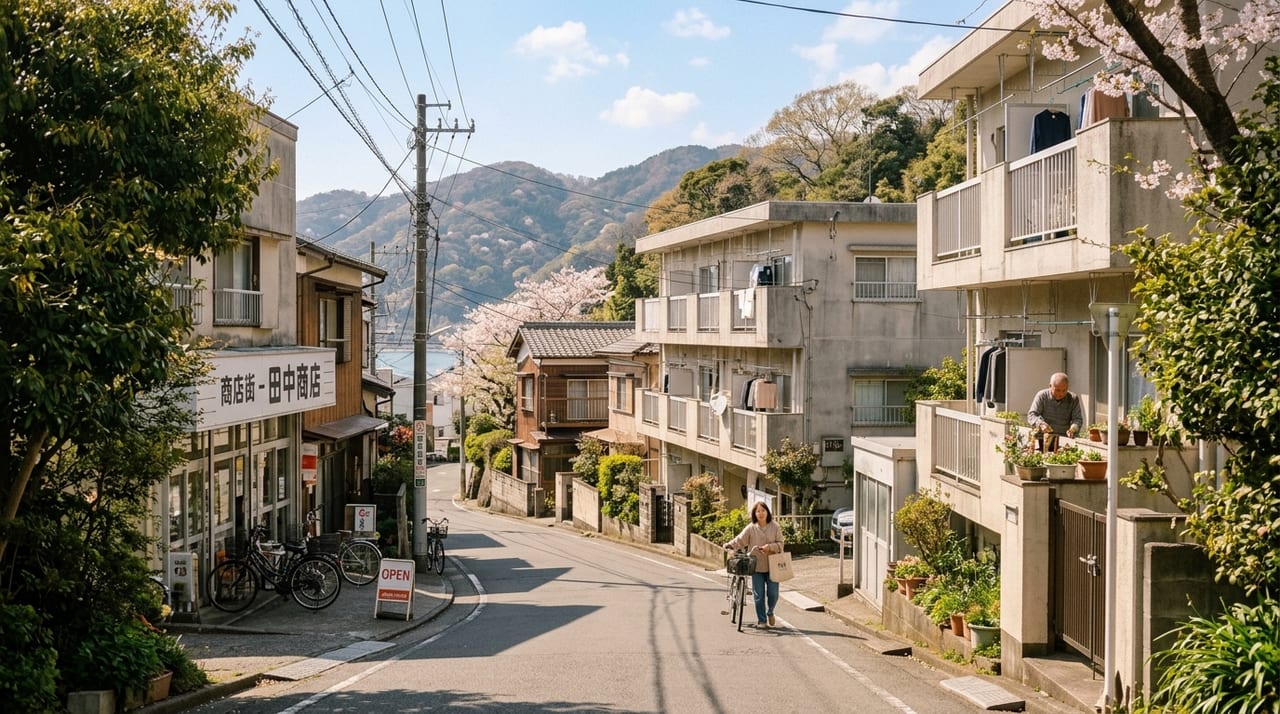
Kamakura is a historic city in southern Kanagawa Prefecture, facing Sagami Bay. Using the JR Yokosuka Line and Shonan-Shinjuku Line, you can reach Tokyo Station in approximately 55 minutes and Shinjuku in about 60 minutes. While offering sufficient access as a commutable distance from central Tokyo, Kamakura provides a unique residential environment where sea, mountains, and historical heritage coexist.
Since the 2020s, with the spread of teleworking, demand for relocating to or moving within Kamakura has grown, particularly among those who have settled into a lifestyle visiting the city center only 2-3 days per week. The abundant natural beachside environment, the café and shop culture around Komachi-dori and Onari-dori streets, and activities such as surfing and cycling have made Kamakura increasingly attractive to people looking to improve their quality of life.
However, Kamakura also has unique constraints not found in other areas. Building restrictions due to scenic district designation, steep terrain, traffic congestion during tourist season, and uneven distribution of supermarkets and drugstores are all factors. It is important to understand the realities of daily life beforehand.
The area within walking distance of Kamakura Station (JR Yokosuka Line, Enoshima Electric Railway) offers the most convenient access to shopping, dining, and tourist facilities. However, there is significant tourist foot traffic, and some may find weekend noise and crowding bothersome.
Rent estimates:
Properties within a 10-minute walk of the station have limited availability and face high competition. These properties are often older single-family rentals or small apartment buildings, and renovated properties command premium prices.
The area near Yuigahama and Zaimokuza beaches is the quintessential Kamakura location for realizing a truly "sea-view lifestyle." With many cafés that embrace the beachside atmosphere and renovated historic houses, it has become popular with sophisticated renters.
Rent estimates:
The closer to the sea, the greater the risk of salt damage (corrosion of exterior walls and window frames, impact on electronics). When viewing, carefully inspect the condition of fixtures and equipment. Additionally, on windy days windows often need to remain closed, so checking air-tightness is more important than soundproofing.
The area around JR Kita-Kamakura Station is characterized by scattered temples and a quiet residential environment surrounded by mountains and greenery. Living adjacent to Zen temples such as Engaku-ji and Kenchō-ji offers the rare opportunity to experience extraordinary tranquility in your daily life.
Rent estimates:
Access to central Tokyo requires going via Kamakura Station, making commute times 10-15 minutes longer than from the Kamakura Station area. With limited shopping facilities, many residents rely on cars or bike-sharing for daily shopping.
Though technically outside Kamakura city, the Zushi and Hayama areas are often considered as part of the Kamakura living area and are worth exploring. The areas around JR Zushi Station and Keikyu Zushi-Hayama Station attract fewer tourists and offer a good balance between living convenience and natural environment. Hayama is particularly popular with artists and people relocating, and you can sometimes find charming hidden-away renovated historic houses.
Rent estimates (Zushi City center):
Most of Kamakura is covered by the national Historic Environment Preservation Area or falls under the city's landscape ordinance. This means that changes to exterior wall paint, signage installation, and renovations may require permission. While this rarely directly affects tenants, since reconstruction and major renovations are restricted, it's important to pay attention to how well older buildings are maintained (landlord's willingness to repair).
Kamakura's terrain features intricate combinations of hills and valleys. Low-lying areas in valley formations known as "yatsu" are particularly prone to flooding during heavy rain. Always check the city's hazard maps (for flooding and mudslides) before viewing a property, and carefully evaluate disaster risk for properties located near rivers or below steep slopes.
During summer (beach season) and autumn foliage season, traffic congestion becomes evident throughout Kamakura. On weekends in particular, the area around Kamakura Station and Route 134 experience chronic congestion, severely limiting car travel. If you use a car for commuting or school, we strongly recommend checking traffic patterns by time of day on weekdays beforehand.
Kamakura, with a population of approximately 170,000, is a relatively small city with limited rental property inventory compared to urban areas. The more specific your requirements (close to sea, renovated, pet-friendly, 2LDK+, etc.), the fewer your options. Building relationships with local real estate agents (several exist around Kamakura Station) can sometimes provide access to unlisted properties.
Here is a checklist of particularly important items to verify when viewing rental properties in Kamakura.
Salt Damage and Moisture Check
Terrain and Disaster Risk Check
Daily Convenience Check
When considering a move to Kamakura, it's important to evaluate the practical realities of daily life, not just the beachside resort feeling. Based on experiences of those who have actually moved there, the following areas commonly show gaps between initial expectations and reality:
On the other hand, many residents report high life satisfaction from "resetting in nature," "having unique shops and cafés within walking distance," and "surfing and walking becoming part of your daily routine." Kamakura rentals are best suited for those who prioritize "quality of life and natural environment" over urban convenience.
To find your ideal property, a practical strategy is to search during April-September, avoiding the spring rush (January-March), and to make early contact with local real estate agents.
不動産ネットワーク
投資物件・賃貸住宅・テナント・運営会社をつなぐ不動産4サイト連携。
A rental area guide for Kawasaki, a designated core city with a population exceeding 1.5 million. Comprehensive comparison of rent prices and livability across each area including Kawasaki-ku, Saiwai-ku, Nakahara-ku, and Takatsu-ku.
床スラブ厚と上階の足音問題——賃貸で「ドン」という衝撃音が響く構造的な理由と物件選びのポイント
前橋・群馬の賃貸エリアガイド【2026年版】——主要エリア別家賃相場と住みやすさを徹底比較
Making the Most of Protruding Beams and Columns in Rental Apartments — Smart Furniture Placement Strategies
Mito & Ibaraki Rental Area Guide [2026] — Comprehensive Explanation of Rental Rates and Livability by Major Area
Uncovering Property Issues by Asking Previous Tenants About Their Departure—Questions to Ask During Viewings and How to Interpret Answers
