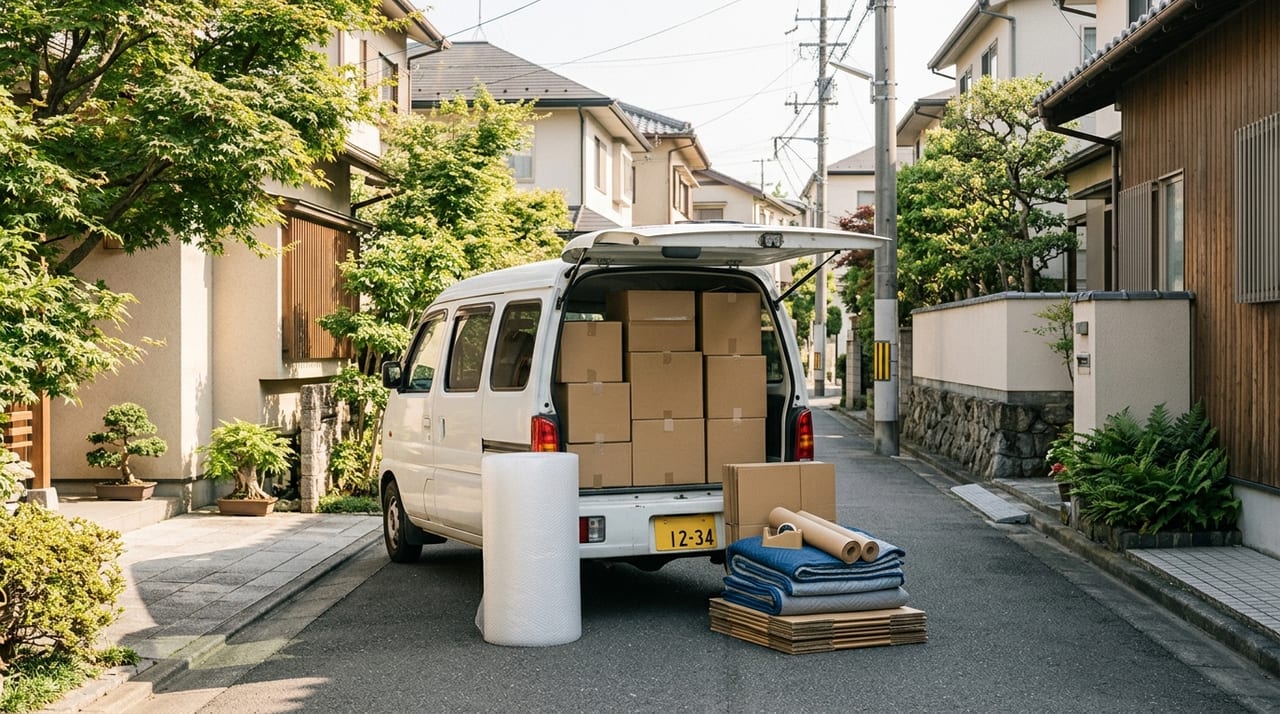
Cutting Moving Costs with DIY Moving—Planning and Precautions for Renting Light Trucks and Vans
There's a way to move without hiring a professional moving company—by renting a car or light truck and doing it yourself. While you can save substantially on costs, proper planning and logistics are crucial. This article explains the steps for DIY moving and key precautions to avoid problems.
One cost-saving moving strategy that's widely discussed is "DIY moving." Professional moving companies can charge hundreds of thousands of yen during peak season (February to April), but with DIY moving, you only pay for vehicle rental and packing materials—resulting in substantial savings. However, loading, unloading, and transporting are all your responsibility (along with your helpers), so careful planning and coordination are critical to success. This article walks through the steps and important precautions for DIY moving.
Suitable Cases for DIY Moving
DIY moving isn't suitable for every move. It works best in these situations:
•Light packing load (single-person moving, roughly one room's worth of belongings)
•Short-distance moving (within the same ward or neighboring municipality, roughly 30–60 minutes one-way)
•Help is available (having at least 2–3 helpers makes loading and unloading significantly easier)
•Minimal large furniture and appliances (heavy items like refrigerators, washing machines, and beds can be difficult to move without professional equipment and expertise)
Conversely, if you have a lot of belongings, need to move long distance, or have many large furniture items, hiring a professional moving company is more practical.
Choosing the Right Vehicle
For DIY moving, your main vehicle options are:
Light Truck
Light trucks have a wide cargo bed, making it easy to load large items like bed frames and tables. You can rent them for a day from rental car agencies and farm equipment shops, typically costing between a few thousand and 10,000 yen. A standard driver's license is sufficient (light trucks are classified as light vehicles).
1.5–2-Ton Rental Van (Hiace and similar)
These vans have an enclosed cargo area, so your belongings stay dry even in rain or on longer drives. However, they have height restrictions, so tall furniture may not fit.
Light Wagon or Minivan
For single-person moves with light loads, making multiple trips in a regular light wagon or personal minivan can be practical. Consider the balance between fuel costs and time before deciding.
Packing and Preparation Steps
Gathering Packing Materials
Gather cardboard boxes (large, medium, and small), packing tape, bubble wrap, duvet storage bags, and gummed tape in advance. These are available at home improvement stores and ¥100 shops. You don't need professional-grade materials—most everyday items work fine.
Organizing and Categorizing Belongings
Use your move as an opportunity to declutter and dispose of items you no longer need. Arrange in advance for bulk trash pickup from your municipality, sell items via secondhand apps, or drop them off at recycling shops.
Packing Priority
Pack items you'll use until moving day last. Clothes, books, and miscellaneous items can be packed early. Set aside items you'll use until the night before the move in a separate "last-minute packing" box.
Moving Day Logistics
Calculating Time
Plan for the sequence: packing completion → loading → transport → unloading → vehicle return. Reserve rental time with a comfortable margin. Even for short distances, allow 4–8 hours depending on the volume of belongings and number of helpers.
Load Heavy Items First
Stack heavy items (books, cooking utensils) on the bottom and light items (clothes, cushions) on top to prevent collapse. For refrigerators, empty the contents and turn off the power the day before to allow defrosting.
The Importance of Protective Covering
Whether you apply protective sheeting yourself—something professional movers do to protect walls, floors, and elevator interiors—directly affects your restoration to original condition costs when moving out. Damage to walls from furniture corners is usually the tenant's responsibility, so protect walls and floors with cardboard or blankets while working. Similarly, when moving into your new place, protect walls, floors, and door frames thoroughly.
Cost Estimate
Here's a cost estimate for single-person, short-distance DIY moving (2026 reference figures):
•Light truck rental: ¥3,000–10,000 (varies by time and distance)
•Fuel: ¥500–2,000
•Packing materials: ¥2,000–5,000
•Thanks for helpers (optional): meals, etc.
The total typically comes to ¥10,000–20,000, which represents substantial savings compared to professional moving companies' peak-season rates (roughly ¥100,000–300,000).
Important Precautions for DIY Moving
Don't Underestimate the Physical Demands
Loading and unloading takes more physical effort than you might expect. If you have heavy appliances or lots of books, there's a risk of back injury. Use dollies or furniture sliders and plan realistic tasks to avoid overexertion.
Consider Hiring Professionals for Large Appliances
Moving large, heavy items like refrigerators, washing machines, and beds safely requires proper equipment and expertise. It's practical to combine DIY moving with professional services—hiring a mover just for large appliances or arranging a pickup service for items you don't need.
Build in Time Flexibility on Moving Day
Rushing to return your rental vehicle can lead to sloppy unloading or incomplete inspection of your new place. Reserve your rental with 1–2 extra hours of buffer time.
Summary
DIY moving is a cost-effective option for light loads over short distances—often costing just a fraction of professional rates. Success depends on three things: securing adequate packing materials, thorough protective covering, and allowing plenty of time in your plan. Before deciding if DIY moving is right for you, clarify whether you can find helpers and how you'll handle large appliances.