Learn about heat shock, a winter bathing hazard, and the bathroom heating equipment that prevents it. A guide to checking for these features in rental properties and affordable prevention strategies.
Reviewed by: Nobuyuki MoriPresident, M-Assets Co., Ltd. / Licensed Real Estate Transaction Specialist (Miyagi #018212)
A detailed guide to the benefits and selection of rental properties with re-heating functions, their impact on electricity and gas bills, and who pays for repairs.
We explain in detail the features and how to use eco-cute and electric water heaters in rental properties, compare utility costs with gas water heaters, and outline important precautions for daily living.
Kitchen equipment varies significantly from property to property. This article introduces key checkpoints to verify during viewings and tips for comfortable cooking even in compact kitchens.
During apartment viewings, it's easy to focus on room size and natural lighting, but the condition of water fixtures actually has a major impact on your satisfaction after moving in. We'll explain specific inspection checkpoints for bathrooms, toilets, kitchens, and washbasins.
Heat shock is a phenomenon in which sudden temperature changes cause sharp fluctuations in blood pressure, placing severe stress on the heart and blood vessels. It occurs most frequently during winter bathing, triggered by the sharp temperature difference when moving from a warm living room to a cold changing room or bathroom.
According to surveys by Japan's Consumer Affairs Agency, approximately 19,000 deaths during bathing are estimated to occur annually, with the majority concentrated among elderly people. However, blood pressure fluctuations can occur in younger age groups as well, making bathroom environment improvements an important issue for all ages.
Bathroom heating equipment in rental properties generally falls into the following categories:
Bathroom Heating and Drying Units (Most Common)
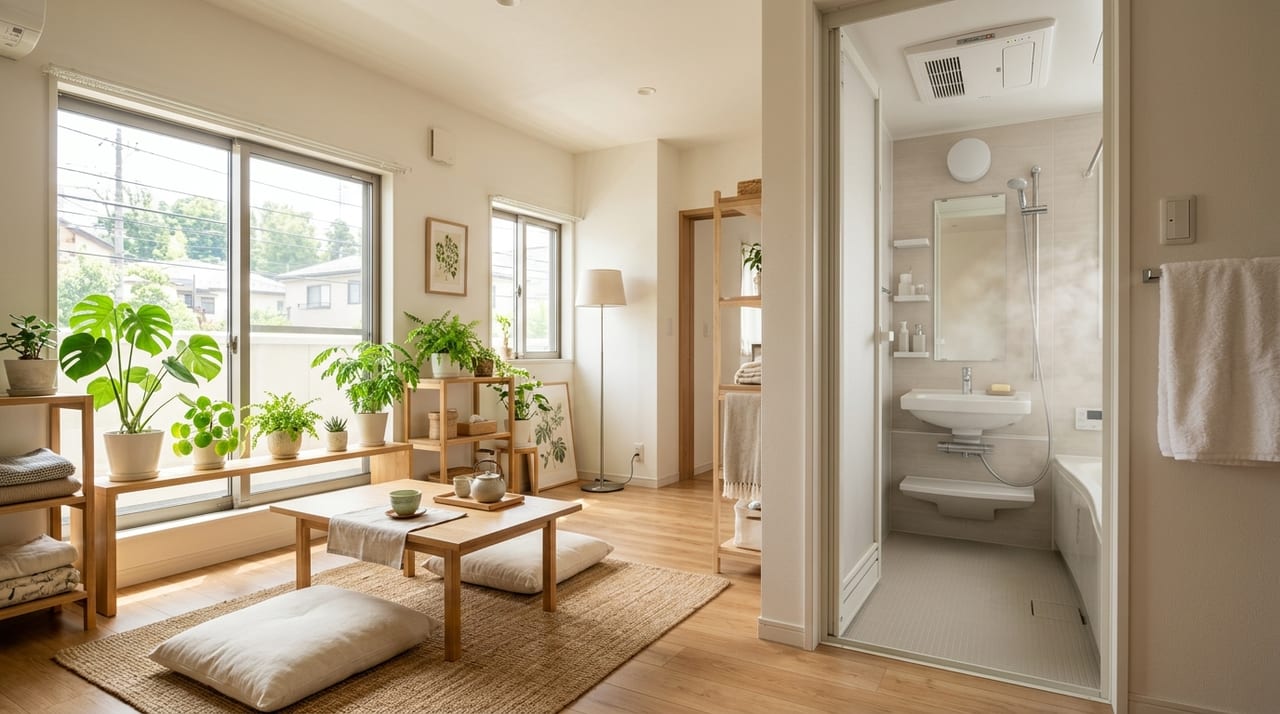
A multifunctional unit installed in the ceiling with heating, ventilation, drying, and cooling functions. By warming the bathroom before bathing, it reduces temperature differences and mitigates heat shock risk. It's also convenient for drying laundry.
Bathroom-Specific Heater (Wall-Mounted Type)
A heater installed on the bathroom wall that specializes in quickly warming the bathroom space.
Hot Water Circulation-Type Bathroom Heating
This type circulates hot water from the water heater to warm the entire bathroom. While it takes longer to reach full warmth, it provides a gentle, sustained heating effect.
No Equipment (Common in Older Buildings)
Older rental properties and budget-priced units often lack bathroom heating equipment.
The presence of bathroom heating equipment is typically listed in property information as "bathroom heating and drying unit," "bath heating," or "unit bath with drying function." During viewings, check the following:
The heating status of the changing room is especially important. Even if the bathroom is warm, if the changing room is cold, the temperature difference before and after bathing remains significant.
Even without bathroom heating equipment in rental properties, you can reduce risk using the following methods:
Pre-Bath Bathroom Warming
Keeping the Changing Room Warm
Pre-Bathing Habits
Entering the Tub Carefully
If you move into a property with a bathroom heating and drying unit installed, keep the following usage in mind:
Pre-Bath Heating Procedure
Using the Drying Function
When using the drying function to dry laundry in the bathroom, filter cleaning is essential. A clogged filter not only reduces drying efficiency but can also damage the equipment. Clean the filter about once a month (consult your unit's manual for cleaning instructions).
The heating and drying functions of bathroom units consume considerable electricity, and costs can accumulate depending on usage.
The three keys to saving money are: "use heating briefly and just before bathing," "maintain drying efficiency through regular filter cleaning," and "distinguish between daily 24-hour ventilation and other uses."
Bathroom heating and drying units are effective not only for heat shock prevention but also for mold prevention. By running the ventilation and drying functions after bathing to remove moisture from the bathroom, you can significantly reduce black mold growth. In rentals, neglecting mold can lead to cleaning costs deducted from your deposit at move-out, so using the equipment to manage humidity becomes a financial safeguard. After bathing, close the lid and use a squeegee to wipe water droplets from the walls before ventilating—this shortens operating time and saves on electricity.
If you find any problems immediately after moving in, contact the management company right away and keep a record. Reporting problems later makes them more likely to be treated as "damage from tenant use."
If the bathroom heating and drying unit malfunctions, contact the management company promptly. Repair costs are generally the responsibility of the management company (landlord), but failures caused by neglecting to clean the filter for long periods may be charged to you as maintenance negligence.
Bathroom heating equipment is an important facility that affects both comfort and safety. If you're living with elderly family members or in a region with severe cold, consider the presence or absence of bathroom heating equipment as an important factor when choosing a property.
不動産ネットワーク
投資物件・賃貸住宅・テナント・運営会社をつなぐ不動産4サイト連携。
床スラブ厚と上階の足音問題——賃貸で「ドン」という衝撃音が響く構造的な理由と物件選びのポイント
前橋・群馬の賃貸エリアガイド【2026年版】——主要エリア別家賃相場と住みやすさを徹底比較
Making the Most of Protruding Beams and Columns in Rental Apartments — Smart Furniture Placement Strategies
Mito & Ibaraki Rental Area Guide [2026] — Comprehensive Explanation of Rental Rates and Livability by Major Area
Uncovering Property Issues by Asking Previous Tenants About Their Departure—Questions to Ask During Viewings and How to Interpret Answers
